

How to Pick Food Drying Tech for Product Innovation
Choosing food drying technology is really about choosing the right path to scale, quality, and repeatability. The best option is the one that protects nutrition, supports shelf life, and fits the economics of production without slowing product development. For many innovation teams, REV™ vacuum microwave drying stands out because it helps brands move from pilot to production faster while preserving texture, colour, aroma, and nutrition better than many conventional commercial drying methods.
Why does food drying tech matter so much in product innovation?
Food drying tech matters because it can decide whether a promising concept becomes a scalable product. If the process is too slow, too harsh, or too hard to repeat, the product may never make it past pilot. That is why food drying technology is not just a processing choice. It is a product innovation decision.
The strongest drying method is usually the one that solves multiple problems at once.
- It supports nutrition preservation.
- It keeps texture and flavour closer to the original product.
- It scales without forcing major redesign.
- It keeps cost per kilogram under control.
- It gives the team a repeatable production path.
That combination is what R&D leaders usually need most.
What are the main commercial drying methods?
The main commercial drying methods include freeze drying, hot air drying, spray drying, vacuum drying, and vacuum microwave drying. Each has strengths, but they solve different problems. That is why the best method depends on the product, the target market, and the scale-up plan.
A quick way to think about them is this.
- Freeze drying is strong for structure and premium preservation.
- Hot air drying is common and familiar, but often slower and harsher on quality.
- Spray drying works well for liquids and powders.
- Conventional vacuum drying can help with heat-sensitive products.
- Vacuum microwave drying combines speed with quality control.
If the product is meant to feel premium and shelf stable, the drying method has to protect that promise.
How do you judge food drying technology for scale-up?
The best way to judge food drying technology for scale-up is to compare it on five things. Those are processing time, quality retention, energy use, repeatability, and commercial throughput. If one method wins on only one of those but loses badly on the others, it may not be the right production choice.
A practical screening checklist looks like this.
- Can the process preserve nutrition and sensory quality.
- Can it scale from pilot to full production.
- Does it support the intended texture and appearance.
- Is the energy load commercially acceptable.
- Can the product be manufactured consistently over time.
This is the point where many teams realize that the cheapest machine is not always the best option.
How does REV™ differ from conventional drying options?
REV™ differs because it uses vacuum microwave dehydration to dry products rapidly at low temperature while controlling pressure and final moisture. EnWave describes REV as a rapid, gentle process that helps preserve key product qualities while creating shelf-stable output. That is a major advantage for product development teams working with fruit, vegetables, snacks, and other delicate ingredients.
The difference shows up in the product itself.
- Faster cycles.
- Better retention of colour, aroma, and texture.
- Lower exposure to long heat treatment.
- More flexibility in batch and production planning.
- Stronger fit for commercial food dehydration.
For many R&D teams, that makes REV a stronger fit than standard commercial freeze drying when speed and scalability matter.
What can we learn from Solve Foods about choosing drying technology?
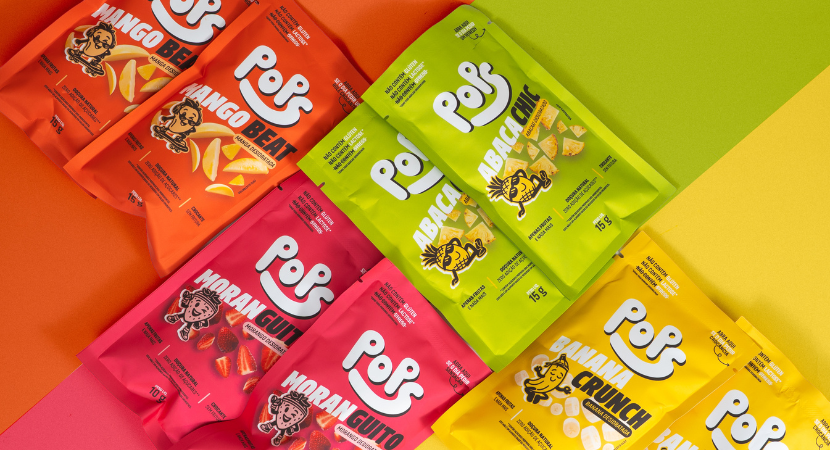
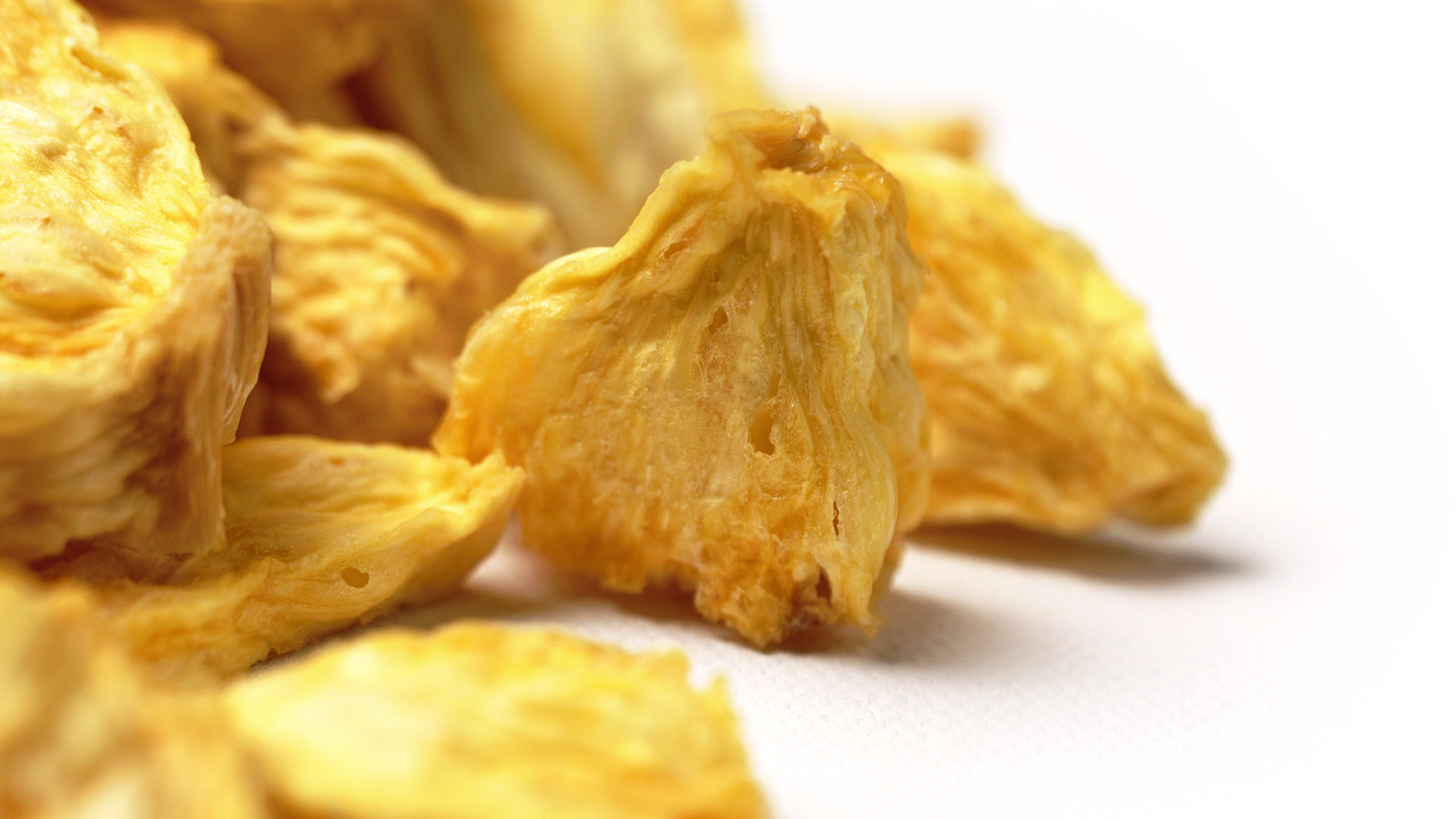
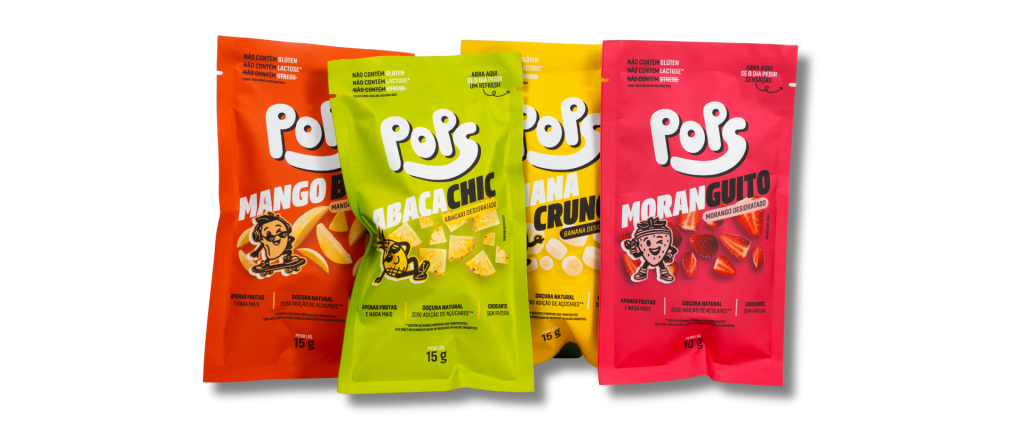
The Solve Foods case study showed that REV can turn real fruit into a light, crunchy, shelf-stable snack without losing its natural character.
The company wanted a product that kept the taste, colour, aroma, and nutritional value of fruit while creating a texture that felt new and exciting. Traditional drying methods and freeze drying were either too harsh or too expensive for the kind of accessible snack brand they wanted to build.
The key lesson from Solve Foods is that process choice shapes brand choice.
- They needed a shelf-stable fruit snack.
- They needed a texture consumers would want again.
- They needed consistency from batch to batch.
- They needed a path that could support growth.
- They needed a technology that worked beyond the lab.
REV gave them a platform for innovation, not just a drying tool. That is a useful model for any team thinking about how to pick food drying tech for product innovation.
The right food drying technology should support both current products and future innovation pipelines.
How should you compare food drying technology by product type?
You should compare it by what the product needs to do after drying. Some products need rehydration and structure retention. Others need crunch, colour, or shelf stability. That is why one drying method does not fit every product.
Here is a simple guide.
| Product goal | Best-fit drying approach |
|---|---|
| Maximum structure and premium preservation | Freeze drying |
| Liquid to powder conversion | Spray drying |
| Lower cost, common dehydration | Hot air drying |
| Heat-sensitive, shelf-stable, premium texture | Vacuum microwave drying |
| Fast scale-up with quality retention | REV™ vacuum microwave drying |
This table is not a final answer for every project. It is a way to narrow the field before deeper trials.
Why is nutrition preservation so important?
Nutrition preservation matters because consumers do not separate health from quality anymore. They want products that taste good, look good, and still support the nutrition story on the label. If the drying step damages that story, the product becomes harder to position.
That is one reason vacuum microwave drying has become interesting to food innovation teams. Shorter cycles and lower temperature control can help protect more of the original product character. In categories like fruit, vegetables, and functional snacks, that can be a meaningful advantage.
How do you think about cost and throughput?
You think about cost and throughput by looking beyond equipment price. A cheaper dryer can still cost more if it runs slowly, uses a lot of energy, or forces the plant to handle more inventory in process. Product innovation teams often discover that the true cost is tied to cycle time and yield, not just the purchase order.
REV helps because it can shorten drying cycles and improve production flow. That can lower the burden on plant planning and make scale-up production more predictable. For teams under pressure to move quickly, that matters just as much as product quality.
When does commercial freeze drying make sense?
Commercial freeze drying makes sense when the top priority is preserving structure and rehydration quality. It is often the right call for some premium products and highly delicate materials. But it is not always the best answer when speed, throughput, and economics are central to the product plan.
That is why many food tech teams compare freeze drying with vacuum microwave drying instead of assuming freeze drying is always the premium option. In some cases, REV can deliver a better balance of quality and commercial performance. For product development, that balance is often more useful than chasing a single best-in-class metric.
What should food innovation leaders ask before choosing a dryer?
Food innovation leaders should ask the questions that connect product performance to production reality. The best answers usually come from a mix of sensory testing, scale-up trials, and economics. A good decision starts with the right questions.
- What quality attributes matter most.
- How fragile is the ingredient.
- What shelf life is required.
- How fast does the product need to scale.
- What drying method supports both quality and unit economics.
Those questions help teams choose a dryer that supports the business, not just the prototype.
Conclusion
The right food drying technology is the one that helps product innovation become commercial reality. For many teams, that means choosing a method that preserves nutrition, supports scale-up production, and avoids the bottlenecks that slow launch. The Solve Foods case study shows how REV can do that by helping create a shelf-stable fruit snack with a light, crunchy texture and strong consumer appeal.
If the goal is to move from pilot to a real product platform, REV is worth serious consideration. It gives food innovators a practical path to better food dehydration, better scale-up, and better commercial outcomes.
FAQ
What is the best food drying technology for product innovation?
It depends on the product, but vacuum microwave drying is often the best fit when the team needs speed, quality, and scale together.
How do I compare commercial drying methods?
Compare them on nutrition preservation, texture, colour, aroma, energy use, throughput, and scale-up potential.
Is freeze drying always better than other methods?
No. Freeze drying is strong for structure and preservation, but it can be slow and expensive for commercial-scale innovation.
What makes REV different from other drying technology?
REV combines vacuum and microwave energy to dry quickly at low temperature while controlling moisture and product quality.
Why is food dehydration important in product development?
It extends shelf life, improves logistics, and helps turn perishable ingredients into scalable products.
Can REV support scale-up production?
Yes. REV is designed to help brands move from pilot to production with fewer bottlenecks and more consistent quality.
Further reading
Solve Foods case study
https://www.enwave.net/case-studies/solve-foods
EnWave What is REV
EnWave What is REV? Vacuum Microwave Dehydration Technology
EnWave Popular food drying processes explained
Comparison of Traditional and Novel Drying Techniques and Its Application in Foods
https://pmc.ncbi.nlm.nih.gov/articles/PMC7554907
Role of Food Microwave Drying in Hybrid Drying Technology
https://www.intechopen.com/chapters/85179
Food Machinery Int Microwave dehydrator overview
https://www.foodmachineryint.com/everything-you-need-to-know-about-microwave-dehydrator-in-2024
Federal Extension Introduction to Food Dehydration