

Fall Ingredients for Ready-to-Eat Meals
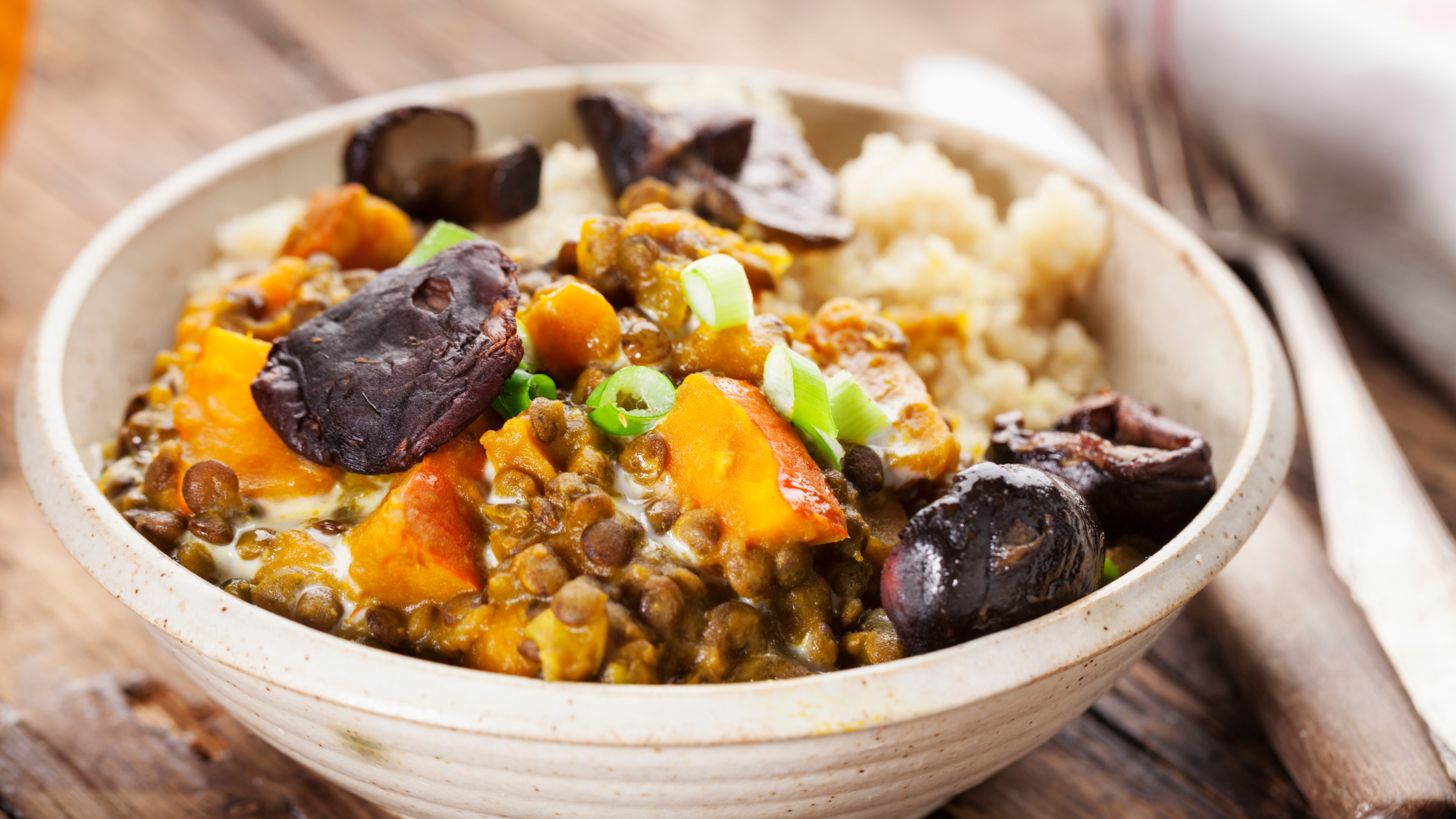
Fall ingredients can bring color, comfort, and seasonal relevance to ready-to-eat meals across soups, grain bowls, stews, pasta dishes, casseroles, snack kits, and meal cups. Drying helps turn these ingredients into stable, transportable components that can be used throughout the year while supporting consistent quality and simpler supply chains.
For food manufacturers, the opportunity is broader than seasonal soup. With the right food processing technology, pumpkin, squash, mushrooms, apples, herbs, poultry, grains, and other fall ingredients can become shelf-stable meal components, toppings, inclusions, and complete meal systems.
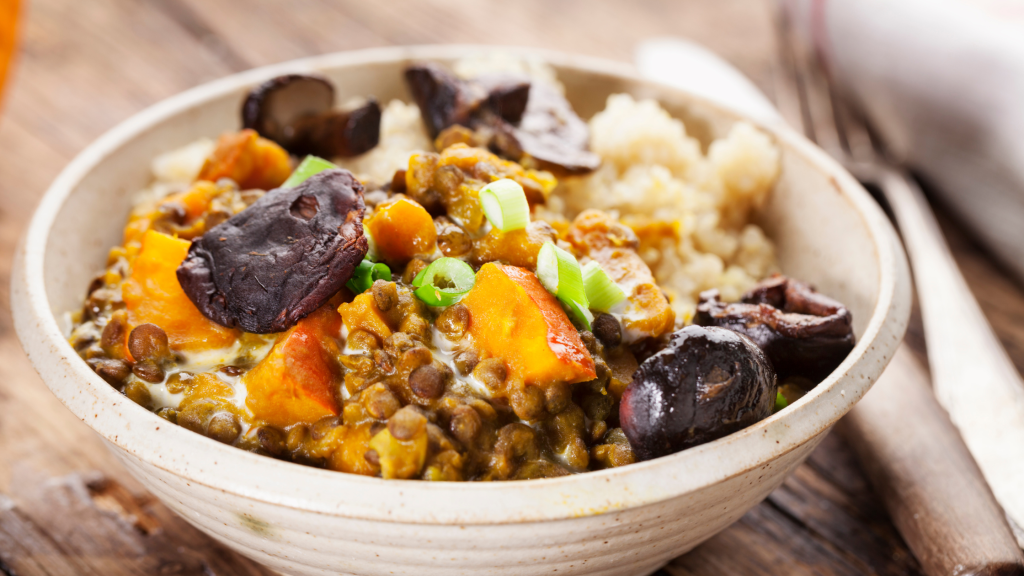
Why are fall ingredients useful in RTE meal development?
Fall ingredients are useful because they offer familiar flavors, strong visual appeal, and flexibility across multiple ready-to-eat formats. Pumpkin, squash, root vegetables, mushrooms, apples, cranberries, and herbs can support both comforting and premium meal concepts.
They also fit current consumer expectations around convenience and seasonal eating. Ready-to-eat meals need to be quick, but consumers still want recognizable ingredients and more variety than standard rice, pasta, or tomato-based recipes. Seasonal ingredients help create that difference.
For product development teams, fall also provides a natural framework for innovation. The same ingredient can appear in multiple formats without requiring a completely new supply chain.
Which fall vegetables work well in ready-to-eat meals?
Pumpkin, squash, carrots, potatoes, parsnips, sweet potatoes, corn, and beets are strong fall ingredients for ready-to-eat meals. They can be prepared as dices, flakes, powders, purees, or crunchy inclusions depending on the format and rehydration requirements.
These vegetables can be used in:
- Pumpkin and lentil soups.
- Butternut squash grain bowls.
- Sweet potato stews.
- Root vegetable casseroles.
- Corn and potato chowders.
- Beet and quinoa meal cups.
- Vegetable pasta sauces.
Dehydrated vegetables can extend shelf life, reduce transportation weight, and provide consistent availability outside the fresh harvest period.
How can pumpkin and squash be used in RTE meals?
Pumpkin and squash can provide body, sweetness, color, and a familiar fall flavor to ready-to-eat products. They work especially well in soups, sauces, grain bowls, filled pasta, and creamy meal cups.
For manufacturers, pumpkin and squash can be developed into:
- Powder for soup and sauce bases.
- Small pieces for grain bowls and stews.
- Puree-based inclusions.
- Seasoned cubes for casseroles.
- Crispy toppings for snack kits.
The main technical challenge is controlling moisture and texture. A product that is too wet may reduce shelf stability, while one that is too dry may lose its intended mouthfeel. Food dehydration technology allows teams to choose the moisture level that fits the final application.
Why do carrots, potatoes, and root vegetables matter?
Carrots, potatoes, parsnips, sweet potatoes, and beets matter because they provide structure and substance in shelf-stable meals. They can help a meal feel complete rather than simply assembled from powders and seasonings.
These ingredients also work across a wide range of formats. Carrots and parsnips suit soups and stews, potatoes add body to meal cups and casseroles, and sweet potatoes can support both savory and sweet applications. Beets offer strong color and an earthy flavor that can help differentiate grain bowls and plant-based meals.
The format should guide the drying method. Flakes and pieces may be preferred for visual meals, while powders are useful for sauces, broths, and seasoning blends.
How can mushrooms and legumes add depth?
Mushrooms and legumes add umami, protein, texture, and satiety to RTE meals. They are especially useful for stews, grain bowls, sauces, soups, and meat alternative products.
Mushrooms can be used as:
- Pieces in savory meal cups.
- Powder in broths and sauces.
- Crispy toppings for grain bowls.
- Components in plant-based meat systems.
Lentils, chickpeas, peas, and beans can add protein and fiber while helping manufacturers build more filling meals. Drying makes these ingredients easier to store and transport, but the process must be selected carefully to support rehydration and texture.
For food innovation teams, mushrooms and legumes also offer a way to respond to demand for plant-forward and functional foods without relying on a narrow group of ingredients.
Which fall fruits can work in savory meals?
Apples, pears, cranberries, and figs can add sweetness, acidity, color, and texture to savory ready-to-eat meals. They work particularly well when paired with poultry, pork, grains, dairy, herbs, or legumes.
Possible applications include:
- Apple and sage grain bowls.
- Pear and cranberry poultry meals.
- Fig and barley stews.
- Cranberry inclusions in snack kits.
- Apple pieces in oatmeal or breakfast meal cups.
- Fruit and dairy blends for dessert-inspired formats.
Dried fruit can be used as a visible inclusion or processed into powders and sauces. The choice depends on whether the product needs texture, flavor intensity, or fast rehydration.
How can herbs and aromatics improve fall meal concepts?
Herbs and aromatics improve fall meal concepts by adding recognizable flavor without requiring complicated ingredient systems. Sage, thyme, rosemary, garlic, onion, and ginger can give a meal a more developed sensory profile.
These ingredients can be used in several forms:
- Dried leaf herbs for visual appeal.
- Powders for even seasoning.
- Crispy aromatics for toppings.
- Blends for soup and stew bases.
- Infused ingredients for sauces and dairy components.
The drying process can affect aroma retention. Gentle, controlled food processing technology can help preserve volatile flavor compounds better than prolonged high-heat treatment. That matters when the product depends on a clear herb or aromatic identity.
Which proteins fit fall RTE meals?
Meat, poultry, dairy, legumes, and alternative proteins can all fit fall ready-to-eat meal concepts. The right choice depends on the target consumer, nutrition positioning, texture, and format.
Examples include:
- Chicken and squash stew.
- Turkey and cranberry grain bowls.
- Beef and mushroom barley meals.
- Cheese and vegetable pasta cups.
- Lentil and root vegetable soups.
- Mycelium or plant-protein casseroles.
Drying proteins can reduce water activity and create shelf-stable components, but product developers must evaluate texture, flavor, rehydration, and food safety. Commercial food drying should be validated for the specific protein and recipe rather than assumed to perform the same way across categories.
How can grains and inclusions create more interesting meal formats?
Rice, quinoa, barley, pasta, and crispy toppings create structure and variety in RTE meals. They help manufacturers move beyond liquid soups and build bowls, cups, kits, and layered products.
Grains can be used as:
- Bases for seasonal grain bowls.
- Ingredients in soups and stews.
- Components in stuffed pasta or casseroles.
- Crispy inclusions for snack kits.
- Carriers for vegetables, legumes, and sauces.
Crispy toppings can also create a stronger sensory experience. A pumpkin soup meal cup could include toasted grains, dried herbs, or crunchy vegetable pieces to create contrast. This type of texture layering supports product innovation and can help a product stand out in a crowded category.
Why does drying matter for shelf-stable meal ingredients?
Drying matters because it lowers moisture and water activity, which can help slow microbial growth and extend storage life when the product is properly processed, packaged, and stored.
It also improves supply chain flexibility. Dried ingredients are lighter, easier to store, and less dependent on refrigeration. This can help manufacturers manage seasonal supply and use fall ingredients outside their normal harvest window.
For RTE meal development, the benefits include:
- More stable ingredient inventory.
- Lower transportation weight.
- Longer storage potential.
- Consistent portioning.
- Greater flexibility in formulation.
Drying does not eliminate the need for food safety validation. Water activity, packaging, process controls, and storage conditions must all be tested for the finished product.
How does vacuum microwave drying support fall ingredients?
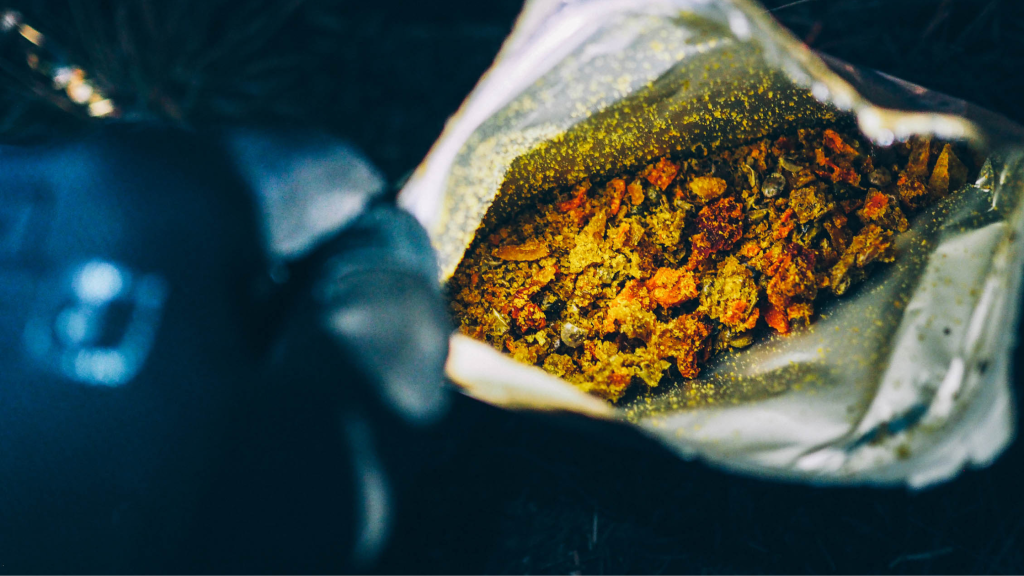
Vacuum microwave drying supports fall ingredients by combining vacuum pressure with microwave energy to remove moisture quickly and under controlled conditions. EnWave’s REV™ technology is designed to support rapid, gentle drying with control over temperature and final moisture.
This can be useful for fall ingredients because many of them are valued for color, aroma, flavor, and texture. Pumpkin, squash, berries, herbs, dairy, and protein ingredients can lose some of these qualities when exposed to prolonged heat.
REV™ may support:
- Bright vegetable colors.
- Concentrated fruit flavor.
- Better retention of aromatic herbs.
- Stable dairy and protein bases.
- Crunchy or porous vegetable pieces.
- Flexible moisture targets for different RTE applications.
The result is not one fixed type of dried ingredient. It is a range of formats that can be designed around the meal.
How should teams choose between commercial freeze drying and other methods?
Teams should choose between commercial freeze drying and other methods by comparing the product’s quality requirements, throughput, texture, energy use, and cost. Freeze drying can preserve structure and rehydration characteristics well, but it may require long processing cycles and higher capital investment.
Vacuum microwave drying can offer a different balance of speed, quality, and scalability. It may be suitable when the goal is to create shelf-stable ingredients quickly while preserving sensory qualities.
A practical comparison should consider:
- Target moisture and water activity.
- Desired texture after drying.
- Rehydration time.
- Nutrient and color retention.
- Production volume.
- Energy use.
- Equipment footprint.
- Cost per unit of finished product.
The right method depends on the application. A soup base, crunchy topping, dairy inclusion, and meat component may not need the same process.
How can drying support different RTE meal formats?
Drying can support different RTE meal formats by allowing manufacturers to build recipes from stable components rather than relying entirely on fresh or frozen ingredients. This creates more flexibility in storage, formulation, and distribution.
Soups and stews
Dried pumpkin, squash, carrots, mushrooms, legumes, herbs, and proteins can create rich soup and stew systems. Powders can build the base, while pieces provide visual identity and texture.
Grain bowls
Quinoa, barley, rice, vegetables, fruits, and legumes can be combined into seasonal bowl concepts. Dried ingredients can be rehydrated during preparation or designed to provide a ready-to-eat texture.
Pasta dishes
Dried vegetable powders, mushrooms, cheese, herbs, and fruit components can add flavor and nutrition to pasta meals. Powders are useful for sauces, while pieces create a more recognizable ingredient story.
Casseroles
Potatoes, sweet potatoes, dairy bases, poultry, mushrooms, and herbs can support shelf-stable casserole concepts. The formulation must account for rehydration and moisture distribution.
Snack kits and meal cups
Crispy vegetables, fruit pieces, grains, legumes, dairy inclusions, and seasoned toppings can create more interactive products. These formats benefit from moisture control because crisp components must be protected from softer ingredients.
What should product developers test?
Product developers should test the dried ingredient and the final meal together. An ingredient that performs well alone may change texture, color, or moisture balance once combined with sauces, grains, proteins, or packaging.
Testing should include:
- Ingredient moisture and water activity.
- Rehydration speed and texture.
- Flavor and aroma after storage.
- Interaction between dry and wet components.
- Packaging barrier performance.
- Shelf life under realistic conditions.
- Consumer acceptance and preparation experience.
This process helps ensure that seasonal ingredient preservation supports the entire product, not just one component.
How can brands build a stronger meal platform?
Brands can build a stronger meal platform by creating a modular ingredient system. A pumpkin and squash base could support soups, sauces, pasta, and grain bowls. The same dried mushroom blend could work in stews, meal cups, and plant-based products.
A platform approach helps reduce development time and create multiple products from shared ingredients. It also gives manufacturers more flexibility when seasonal supply or consumer demand changes.
For example, a fall ingredient platform might include:
- A roasted squash powder.
- A mushroom and herb blend.
- A cranberry and apple inclusion.
- A barley and quinoa grain base.
- A dairy or plant-based sauce powder.
- A crispy vegetable topping.
These components can be combined in different ways to create a portfolio rather than a single seasonal SKU.
Why is seasonal ingredient preservation a commercial opportunity?
Seasonal ingredient preservation is a commercial opportunity because it allows brands to use the appeal of fall ingredients throughout the year. It also helps processors manage fluctuations in harvest timing, supply, and pricing.
By drying ingredients at the right point in the supply cycle, manufacturers can create a more stable inventory of recognizable ingredients. This supports year-round product development and reduces dependence on short fresh windows.
The strongest opportunity is not simply selling dried pumpkin or dried apples. It is using those ingredients to create differentiated meal formats that combine convenience, quality, and seasonal relevance.
Conclusion
Fall ingredients can support far more than seasonal soup. Pumpkin, squash, root vegetables, mushrooms, legumes, fruit, herbs, proteins, grains, and crispy inclusions can be used across ready-to-eat meals, snack kits, meal cups, bowls, pasta, and casseroles.
Drying helps make these ingredients stable, transportable, and available beyond the harvest season. Vacuum microwave drying technology can add another layer of control by supporting rapid moisture removal while helping preserve color, flavor, texture, and nutritional value.enwave+1
For food manufacturers, the central lesson is practical. Seasonal ingredients become powerful RTE meal ingredients when food processing technology makes them reliable, scalable, and easy to use.
FAQ
Which fall ingredients work best in RTE meals?
Pumpkin, squash, carrots, potatoes, sweet potatoes, mushrooms, legumes, apples, cranberries, herbs, poultry, dairy, grains, and pasta can all be used in ready-to-eat meals.
How does drying help RTE meal development?
Drying reduces moisture and water activity, which can support shelf stability, easier transport, consistent inventory, and year-round ingredient availability.
Can dried fall ingredients be used in meal cups?
Yes. Dried vegetables, mushrooms, grains, legumes, proteins, herbs, and toppings can be formulated for meal cups, provided moisture, rehydration, and packaging are properly validated.
What are shelf-stable meal ingredients?
Shelf-stable meal ingredients are processed components that can be stored for extended periods without refrigeration when properly packaged and stored.
How does REV™ support fall ingredients?
REV™ uses vacuum and microwave energy to support rapid, controlled drying. This can help preserve quality attributes such as color, flavor, texture, and nutrients in suitable fall ingredients.
Is commercial freeze drying the only option for RTE ingredients?
No. Commercial freeze drying is one option, but manufacturers can also evaluate hot-air drying, vacuum drying, microwave drying, and vacuum microwave drying based on the product and production requirements.
What should teams test before launching an RTE meal?
Teams should test moisture, water activity, rehydration, texture, packaging, flavor, shelf life, and consumer acceptance in the finished meal format.
Can one dried ingredient support multiple products?
Yes. A modular ingredient platform can use the same dried vegetable, mushroom, fruit, grain, or sauce base across soups, bowls, pasta, casseroles, snack kits, and meal cups.
Further reading
Application of Freeze-Drying Technology in the Food Industry
University of Maine Extension end-of-season preserving
Gulfood dehydrated vegetables and RTE applications
News-Medical dehydrated foods and food preservation
GTI industrial vegetable dehydration systems
Fitaky dehydrated vegetable blends for instant meals
EnWave popular food drying processes explained
EnWave REV technology overview