Turning food waste into opportunity
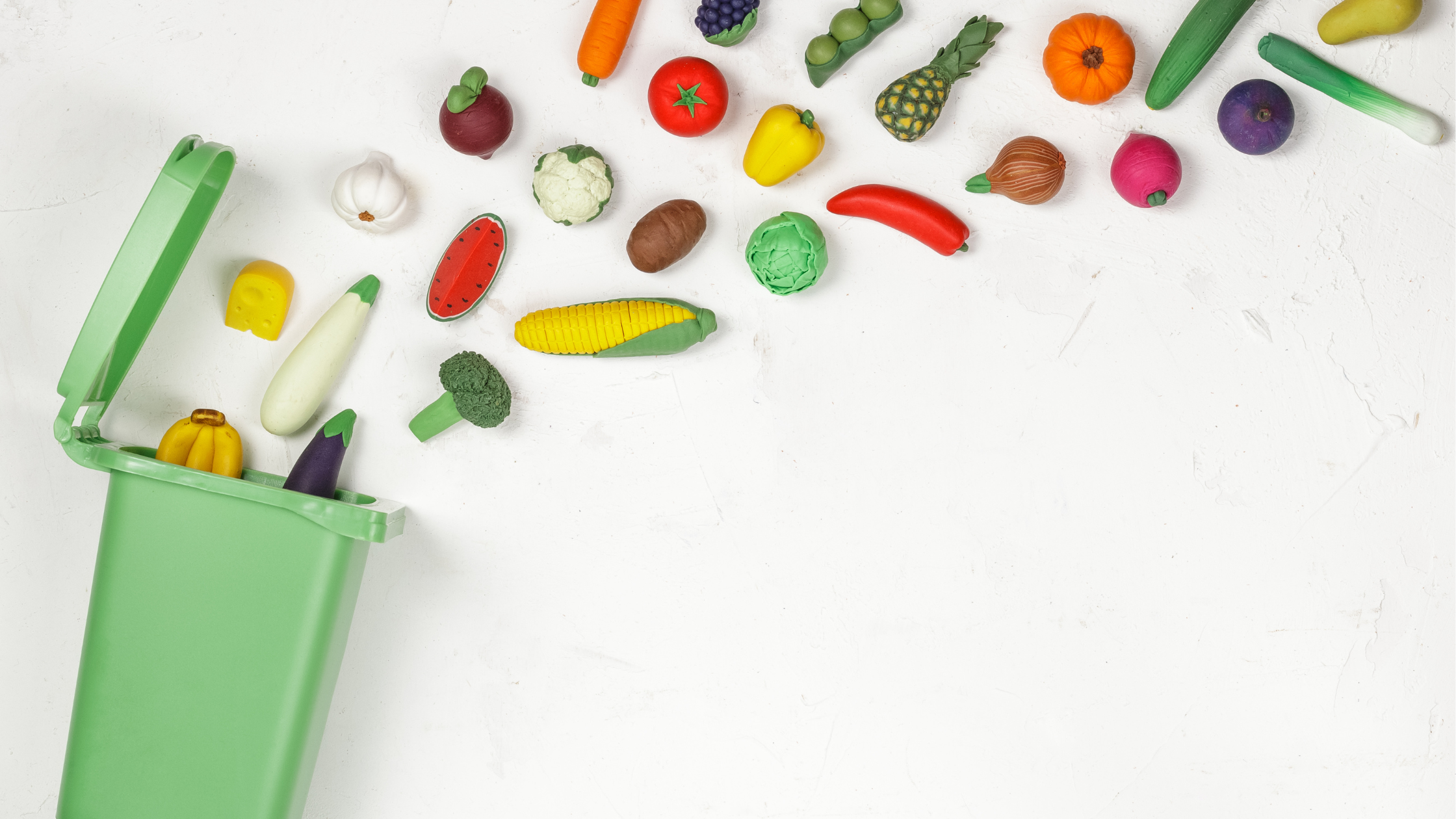
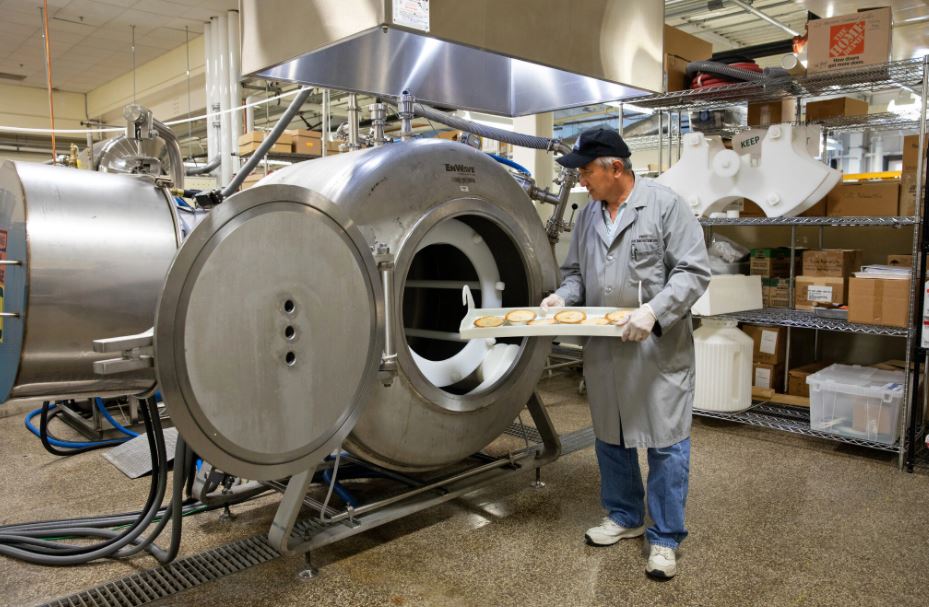
Food waste is a pressing global challenge and a significant contributor to hunger, with millions relying on food banks due to insecurity in Canada alone. Enwave’s vacuum microwave dehydration technology presents a transformative solution by converting surplus or imperfect produce into high-value dried ingredients and snacks. This innovative process preserves nutrition, reduces waste, and creates new revenue streams, advancing food innovation and sustainability goals simultaneously.
Why Is Food Waste a Critical Issue Today?
Nearly one in four Canadian households struggles with food insecurity, leading to over 2 million monthly food bank visits in recent reports. Food waste arises at multiple points from farm to table, resulting in loss of valuable nutrients and economic opportunity. Repurposing surplus or cosmetically imperfect foods into shelf-stable products addresses both environmental impact and food access.
What Is Microwave Dehydration and How Can It Help Upcycle Food Waste?
Microwave dehydration combines microwave energy with vacuum pressure to rapidly and gently remove moisture from foods. This results in:
- Preservation of nutrients, flavor, and texture in otherwise wasted produce
- Rapid drying at lower temperatures, reducing thermal damage
- Conversion of perishable materials into shelf-stable, lightweight products
- Reduction of spoilage and transportation costs by volume and weight decrease
By using this technology, food systems can transform ‘waste’ into valuable dried ingredients for snacks, baking mixes, soups, and more.
How Does Enwave’s Vacuum Microwave Drying Technology Stand Out?
Enwave’s patented REV technology offers a scalable, energy-efficient solution that outperforms traditional drying or freeze drying in:
- Drying speed; minutes instead of hours or days
- Nutrient retention; safeguarding vitamins, antioxidants, and natural color
- Versatility; processing a wide range of fruits, vegetables, and specialty crops
- Environmental sustainability; lower energy consumption and waste.
This technology enables manufacturers and growers to create innovative, high-quality products from imperfect inventory that otherwise would be discarded.
What Are the Economic and Environmental Benefits of Food Waste Upcycling?
Upcycling food waste yields multiple benefits including:
- Creating new revenue streams from surplus produce
- Minimizing landfill waste and associated greenhouse gas emissions
- Reducing food system resource inefficiency
- Supporting circular economy principles and brand sustainability goals
Such approaches contribute to global targets like those laid out by Food Banks Canada to reduce food insecurity by half by 2030 while addressing environmental challenges.
How Does This Innovation Align With Broader Food Industry Trends?
Current food innovation emphasizes:
- Clean-label, nutrient-dense, and minimally processed foods
- Functional ingredients with extended shelf life
- Circular economy and waste reduction initiatives
- Faster product development cycles and scalability
Microwave dehydration seamlessly supports these trends, positioning Enwave as a leader in food tech transformation.
What Types of Products Can Be Made By Upcycling Wasted Food With Microwave Drying?
Upcycled food waste can be transformed into:
- Freeze-stable fruit and vegetable snacks
- Ingredient powders for baking and snacks
- Food supplements and nutraceuticals
- Specialty flours and blends for functional foods
These products maintain nutritional value and sensory qualities needed to appeal to modern consumers.
Frequently Asked Questions About Microwave Dehydration and Food Waste Upcycling
How quickly can microwave dehydration convert food waste into stable ingredients?
Processing time is significantly shorter (minutes to hours), accelerating time to market.
Does microwave drying preserve nutrients better than traditional drying?
Yes, it uses lower temperatures and uniform heating, reducing nutrient degradation.
Is Enwave’s drying technology scalable for various business sizes?
Absolutely. It supports small-scale pilot projects to large industrial production.
How does this method contribute to sustainability?
By reducing waste volume and energy consumption, it lowers carbon footprint and landfill dependency.
Can imperfected or cosmetically rejected produce be efficiently upcycled?
Yes, microwave dehydration makes valuable products from otherwise discarded foods.
Food waste is an urgent challenge and an untapped opportunity. Enwave invites growers, food producers, and innovators to explore microwave dehydration technology to turn surplus and imperfect produce into nutritious, shelf-stable foods that reduce waste and create value. Contact us today to discover pilot programs, technical support, and custom solutions to accelerate your sustainability and product innovation goals.
Further Reading
Food Banks Canada Hunger Count 2025: https://foodbankscanada.ca/hunger-in-canada/hungercount/overall-findings/
FAMU-FSU College of Engineering, Food Waste to Sustainable Energy With Microwave Technology: https://eng.famu.fsu.edu/news/researchers-convert-food-waste-sustainable-energy-using-microwave-technology
Marion Solutions Blog, Six Major Advantages of Microwave Drying: https://blog.marionsolutions.com/blog/moving-from-indirect-thermal-processing-to-microwave-six-major-benefits
Tandfonline, Microwave-Mediated Hydrothermal Carbonization for Food Waste Valorization: https://www.tandfonline.com/doi/full/10.1080/17597269.2025.2454067?af=R
Walsh Medical Media, Innovative Microwave Food Drying Techniques: https://www.walshmedicalmedia.com/open-access/innovative-microwave-drying-techniques-for-food-processing-122927.html
NCBI, Sustainable Valorisation of Kitchen Waste Using Microwave Pyrolysis: https://pmc.ncbi.nlm.nih.gov/articles/PMC11499482/
Enwave Corporation, How is microwave dehydration changing the food industry?: https://www.enwave.net/how-is-microwave-dehydration-changing-the-food-industry/