
Texture and aroma as differentiators in food processing
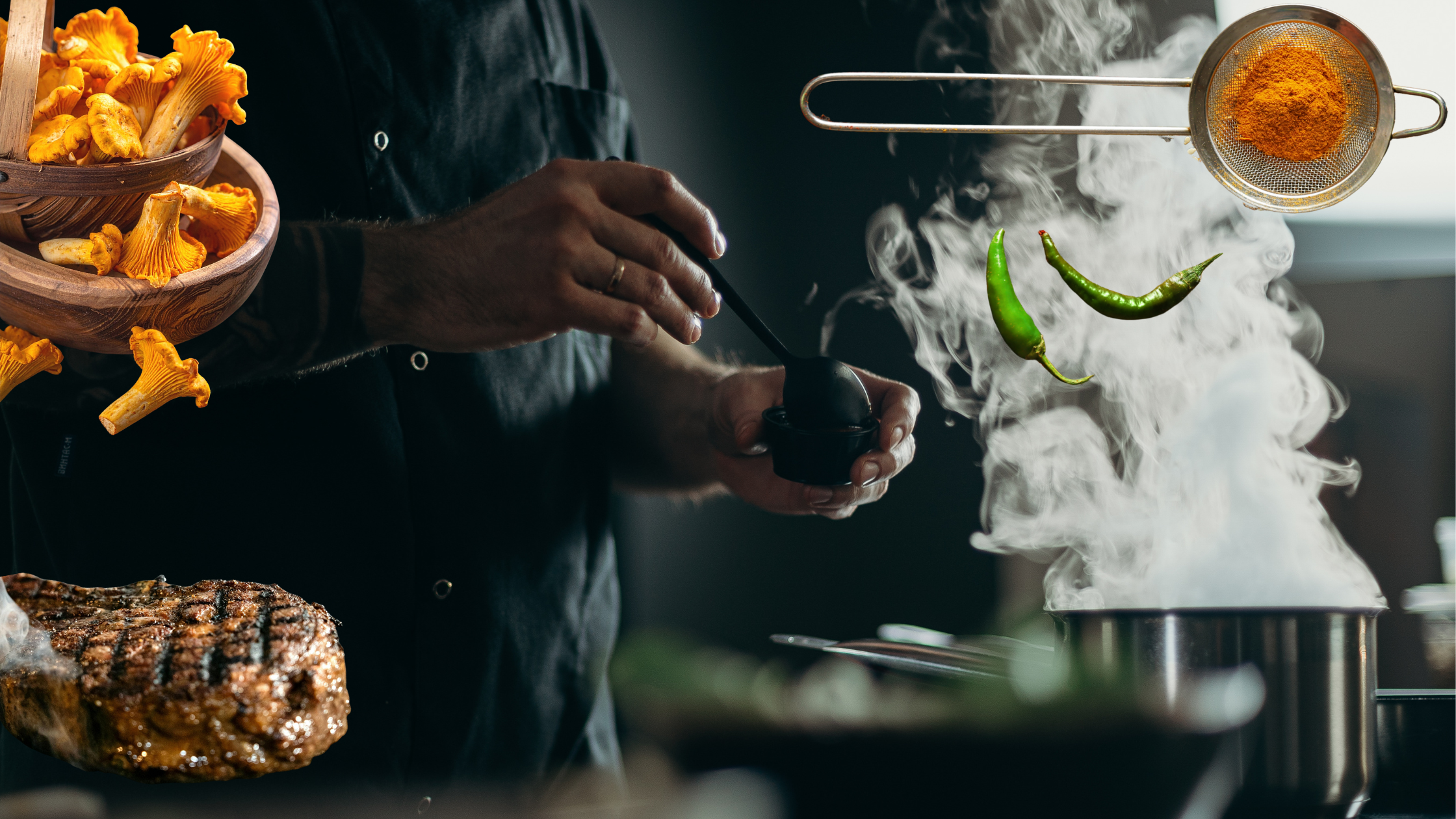
Texture and aroma are becoming two of the clearest ways to stand out in food, especially as social media makes sensory appeal more visible than ever. Consumers notice products that crunch, melt, snap, or release a strong aroma, and they often read those cues as higher quality. For brands, that means food texture innovation and aroma in food products are no longer finishing touches. They are competitive advantages that can shape product development from the start.
Why Do Texture and Aroma Matter More Now?
Texture and aroma matter more now because shoppers do not just buy ingredients or nutrition. They buy an experience, and that experience often starts before the first bite. A product that looks crisp, smells fresh, or creates a memorable sensory moment is more likely to be shared, remembered, and repurchased.
This is especially true in social media food trends. Products with visual crunch, dramatic breakage, or strong aroma cues tend to travel better online because they are easy to film and easy to understand. That makes multisensory food experiences a practical part of product strategy, not just a marketing layer.
How Does Texture Shape Perceived Quality?
Texture shapes perceived quality because it tells consumers how the product should feel in the mouth. A crisp snack can feel fresher, more premium, and more satisfying than one that tastes similar but feels flat. The same is true for chewy, melt-in-the-mouth, or airy products when the texture matches the promise of the category.
Texture also affects fullness and enjoyment. A product with strong bite or crunch can feel more substantial, which can improve the eating experience even when the ingredient list is simple. That is why texture in product development is often one of the most important decisions a team makes.
What Makes Crunch So Shareable?
Crunch is shareable because it is easy to see, hear, and describe. Hyper crunch snacks are especially compelling on video because the sensory payoff is obvious right away. A crisp break or loud snap creates an instant signal of quality.
That makes crunchy snack innovation especially useful for brands that want more organic reach. A product that performs well in the hand and on camera has a stronger chance of generating consumer curiosity. In practical terms, that means crunch is not just a texture target. It is a content asset.
Where Does Aroma Fit Into Product Differentiation?
Aroma matters because it shapes expectation before the product is even tasted. Strong aroma in food products can make an ingredient feel fresher, richer, or more premium, especially for herbs, fruit, botanicals, and other high-value inputs. If the aroma is weak, the product may feel muted even when the taste is good.
Aroma retention in drying becomes especially important for high-value ingredients. When drying is too harsh, the most interesting volatile compounds can be lost, leaving behind a flatter product. That is a problem for brands that want natural flavour, strong opening notes, or a more distinctive ingredient story.
How Does REV™ Support Better Texture?
REV™ supports better texture because it combines vacuum and microwave energy to dry products quickly and gently. EnWave explains that the process allows pressure and microwave power density to be controlled, which helps manage temperature and final moisture. That gives brands more freedom to design texture on purpose instead of accepting whatever a conventional dryer produces.
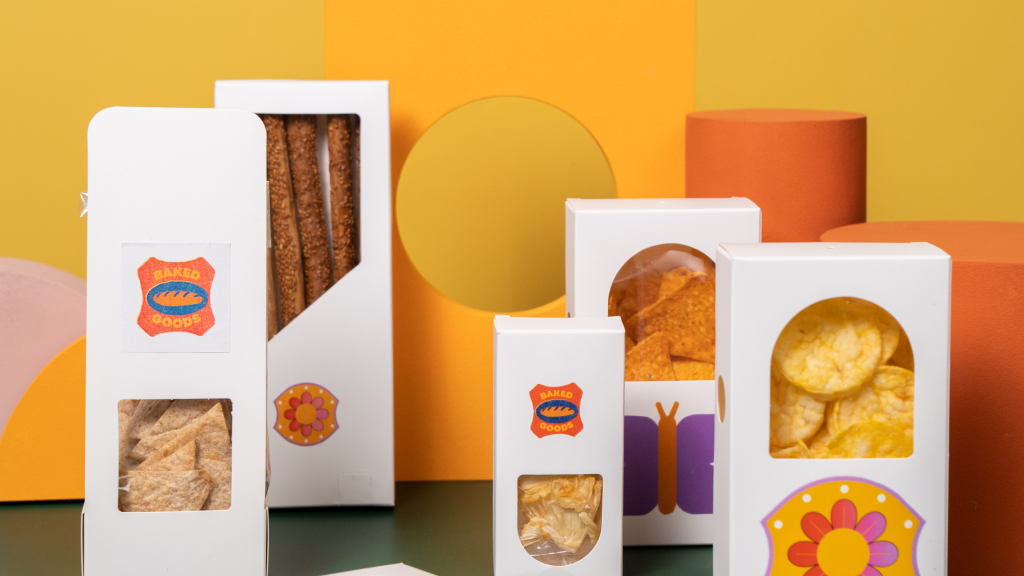
In practice, REV™ can help create crispy, crunchy, chewy, or melt-in-the-mouth outcomes depending on the product and process settings. That flexibility matters because not every category wants the same result. A fruit snack may need a different texture profile than a protein bite or a botanical ingredient.
Why Is Controlled Drying Better for Sensory Design?
Controlled drying is better because it lets the team protect the qualities that matter most to consumers. Conventional drying can overdo the surface, flatten aroma, or produce uneven results that weaken the final product. A controlled process gives food innovation teams a better chance of hitting the target.
This is where microwave drying equipment can stand out. Microwave energy penetrates the product volumetrically, which helps remove moisture faster and more evenly than surface-only heating. That can improve both texture and flavour retention, which is exactly what sensory food design needs.
Which Products Benefit Most From Sensory Design?
Products that rely on a memorable eating moment benefit the most. That includes snacks, fruit pieces, herbs, botanicals, functional ingredients, and products built around a strong aroma or crunch. These are the categories where product innovation can be felt immediately.
Good candidates include:
- Crunchy snacks with high visual appeal.
- Fruit pieces that need brightness and aroma.
- Herbal ingredients where aroma is part of the value.
- Shelf-stable items that should still feel fresh.
- Products designed for food tech consumers who want something new.
When the product is expected to stand out, sensory design should be part of the brief from day one.
How Does Aroma Retention Add Business Value?
Aroma retention adds value because it preserves the sensory identity of the ingredient. If a dried herb still smells vivid or a fruit ingredient still opens with a strong natural note, the product can command more attention and often more perceived quality. That is especially important in commercial food drying, where ingredients need to perform after processing and storage.
For brands, this also helps with product development speed. If the ingredient retains aroma better, there is often less need to mask or rebuild flavour later in the formula. That can simplify reformulation and reduce the risk of a flat or artificial result.
Why Is Texture a Competitive Advantage?
Texture is a competitive advantage because it is difficult to copy well. A formula can be copied, but a distinctive crunch, chew, or melt is harder to reproduce without the right drying technology. That makes texture a real form of product differentiation.
It also helps with shelf appeal. In crowded categories, the product that looks and sounds more satisfying often gets the first trial. Once the consumer has that sensory experience, it becomes much easier to justify the purchase again.
How Does This Compare With Commercial Freeze Drying?
Commercial freeze drying is often excellent for preservation, but it is not always the fastest route to a distinctive texture strategy. Freeze drying can produce high-quality results, especially for delicate ingredients, but it may not deliver the same kind of crisp, crunchy, or engineered sensory outcomes as a vacuum microwave process.
That difference matters when the goal is not only preservation but also product character. If the brand wants a particular bite, snap, or mouthfeel, the drying technology needs to support that outcome directly. In many cases, REV™ offers that kind of control with stronger throughput potential.
What Should Product Teams Ask Before Choosing a Drying Method?
Product teams should ask what sensory result they actually want. They should also ask which flavour notes need to survive, whether the product needs crunch or chew, and how much aroma can be lost before the product feels diminished. Those questions turn texture and aroma into actionable design goals.
A useful checklist is simple.
- What sensory cue should the consumer notice first.
- What texture should the product deliver on bite.
- What aroma needs to remain after drying.
- How important is shareability and visual impact.
- Which drying method best supports those outcomes.
That approach makes sensory food design more intentional and less reactive.
Conclusion
Texture and aroma are no longer side benefits in food innovation. They are central differentiators that shape quality, shareability, and consumer memory. For brands focused on crunchy snack innovation or other multisensory food experiences, drying technology plays a direct role in the final result.
REV™ is relevant because it helps preserve and shape those sensory cues with controlled vacuum microwave drying. That makes it useful for brands that want more than shelf life. It helps them build products people can see, smell, and remember.
FAQ
What is food texture innovation?
It is the deliberate design of texture so the product feels better, tastes better, and stands out more clearly in the market.
Why does aroma matter in food products?
Aroma shapes first impressions and helps consumers judge freshness, flavour, and quality before eating.
What are multisensory food experiences?
They are products that combine visual appeal, aroma, texture, and taste to create a stronger overall impression.
How does drying affect aroma retention?
Harsh drying can reduce volatile compounds, which may weaken the final aroma and flavour profile.
Can REV™ create different textures?
Yes. REV™ can support crispy, crunchy, chewy, or melt-in-the-mouth outcomes depending on the product and settings.
Why is texture important for social media food trends?
Because texture is easy to see, hear, and share, which makes the product more engaging online.
Further reading
EnWave What is REV
EnWave Popular food drying processes explained
Anuga FoodTec The REV technology from EnWave
https://www.anugafoodtec.com/magazine/revolutionizing-food-dehydration.php
ScienceDirect Microwave Drying
https://www.sciencedirect.com/topics/agricultural-and-biological-sciences/microwave-drying
PMC Comparison of traditional and novel drying techniques
https://pmc.ncbi.nlm.nih.gov/articles/PMC7554907
Food Machinery Int Microwave dehydrator article
https://www.foodmachineryint.com/everything-you-need-to-know-about-microwave-dehydrator-in-2024