

How Long Does Dehydrated Food Last?
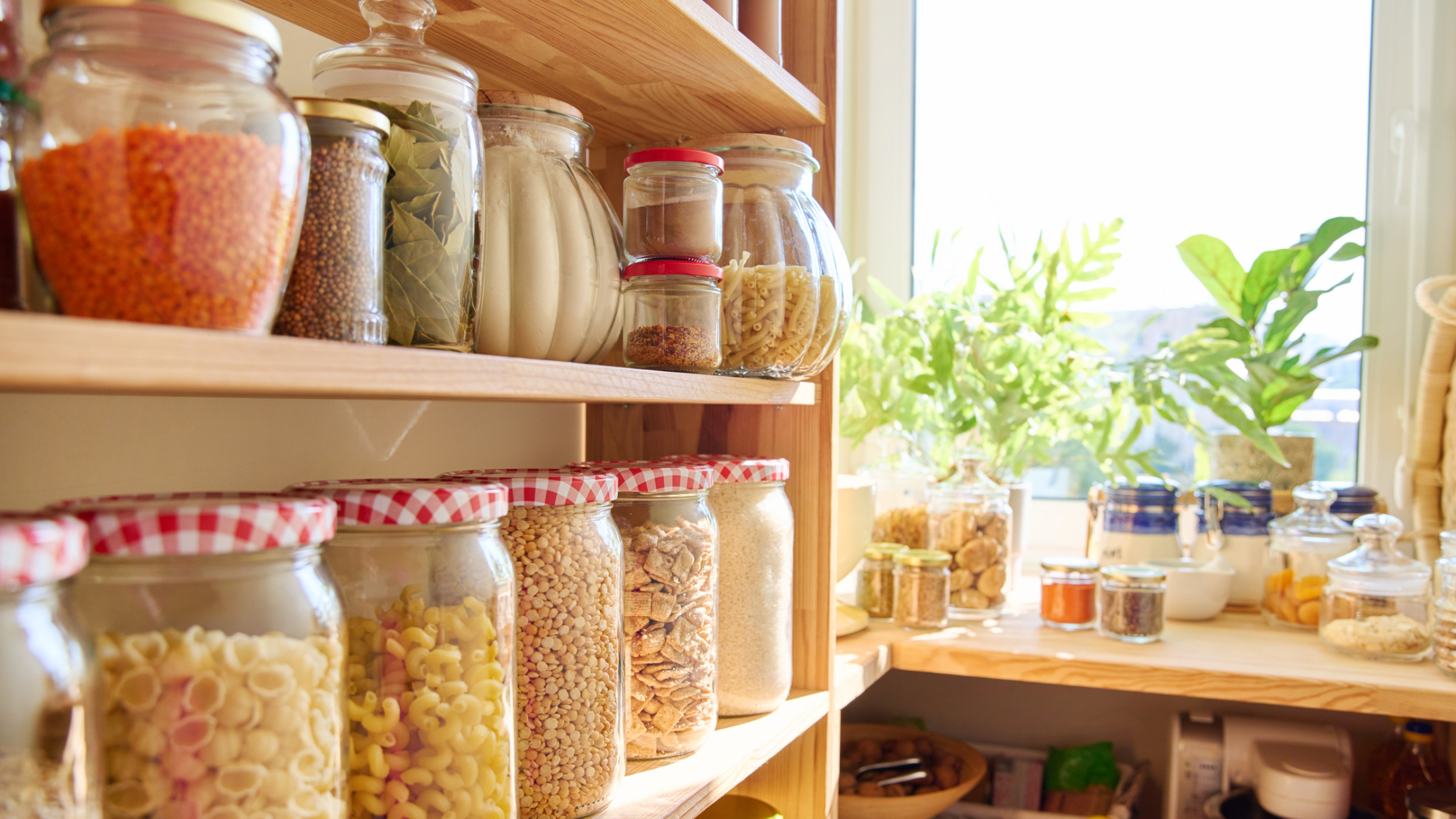
Dehydrated food can remain safe for a long time when it is properly processed, packaged, and stored, but safety, quality, and nutrition do not decline at the same rate. Properly dehydrated foods may remain safe indefinitely when packaging stays intact, yet texture, flavor, color, rehydration, and nutrient content can decline over time.
For commercial food manufacturers, the useful question is not simply “How long does dehydrated food last?” It is “How long does this specific product remain safe, appealing, nutritious, and commercially viable?” The answer depends on the ingredient, drying process, water activity, packaging, and storage conditions.
Does dehydrated food expire?
Dehydrated food does not always expire in the same way fresh food does, but it should still have a defined shelf life and quality window. Oregon State University notes that properly dehydrated foods may remain safe indefinitely if packaging remains intact, although quality changes can make them undesirable, unpleasant, or unusable.
That distinction matters for both consumers and manufacturers. A product can be microbiologically stable but no longer deliver the taste, texture, color, or nutrition that made it worth buying. Commercial shelf life should therefore be based on validated quality and safety data, not only on the absence of visible spoilage.
How long is dehydrated food safe?
Dehydrated food can be safe for a long time when it is properly dried, handled, packaged, and stored. Oregon State University states that properly dehydrated foods will be safe indefinitely as long as packaging remains intact, though this does not mean every dried product will remain desirable.
Safety depends on more than drying alone. Drying lowers water activity and can slow microbial growth, but it does not automatically eliminate all pathogens. Food safety validation, hygiene, process controls, packaging, and storage conditions all matter.
For commercial products, safety should be confirmed through a validated process and appropriate testing for the specific ingredient and format.
Does drying food kill bacteria?
Drying food does not necessarily kill bacteria. It reduces water activity, which can make the environment less supportive for microbial growth, but some pathogens can survive drying.
That is why commercial food dehydration must be paired with validated food safety controls. Depending on the product, this may include cooking, blanching, pasteurization, sanitation, controlled drying, packaging, and storage requirements.
For meat, poultry, seafood, and dairy products, the process must be designed around the specific risks of that ingredient. A drying method should never be treated as a replacement for a complete food safety plan.
What is water activity and why does it matter?
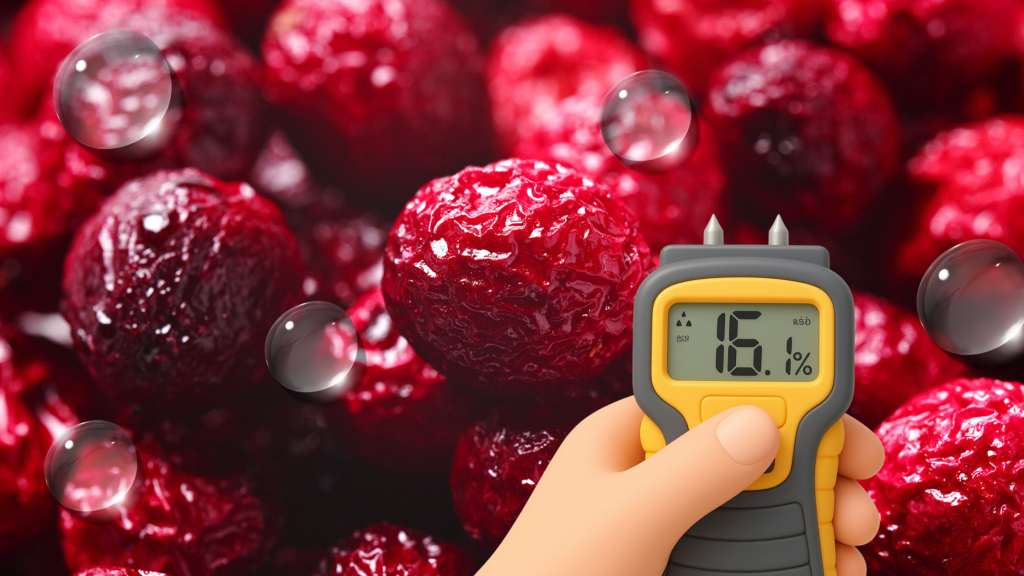
Water activity measures how much water in a food is available to support microbial growth and chemical reactions. It is different from moisture content, which measures the total amount of water present.
Water activity matters because it affects:
- Microbial growth.
- Enzymatic activity.
- Lipid oxidation.
- Nonenzymatic browning.
- Vitamin degradation.
- Texture and crispness.
- Rehydration performance.
In low-moisture foods, water activity is a major factor in how quickly quality changes during storage. Research on packaged dehydrated foods identifies water activity as a key parameter affecting oxidation, browning, nutrient loss, and texture deterioration.
How long does dehydrated food taste and perform well?
Dehydrated food often tastes and performs best within a defined quality window, even if it remains safe for longer. Oregon State University Extension notes that most dried foods maintain their best quality and nutritional value when used within twelve months.
The exact quality window depends on the product. Dried fruit, vegetables, herbs, dairy, meat, and powders can all decline at different rates.
Oregon State provides general home-storage guidance that dried fruits may last about one year at 60°F or six months at 80°F, while vegetables may have about half that shelf life. Commercial products may differ because they use validated processes, controlled packaging, and defined storage conditions.
What causes dried food to lose quality?
Dried food loses quality because of moisture regain, oxygen exposure, heat, light, and time. These factors can affect texture, color, aroma, flavor, and rehydration performance.
Common quality changes include:
- Loss of crispness.
- Softening or caking.
- Browning.
- Fading color.
- Weaker aroma.
- Stale or off flavors.
- Reduced rehydration.
- Loss of nutritional value.
Moisture is often the first issue. If dried food absorbs humidity from the air, its water activity can rise and its texture can change. That is why packaging and storage conditions are part of shelf-life design, not afterthoughts.
How long does dehydrated food retain nutrients?
Dehydrated food may retain nutrients for a long time, but nutrient levels can decline gradually during storage. Heat-sensitive vitamins and bioactive compounds are especially vulnerable to heat, oxygen, light, and rising water activity.
Vitamins A and C can be affected by heat and air exposure. Water-soluble vitamins may also be lost during blanching or other pretreatments.
This does not mean dehydrated food has no nutritional value. It means nutrient retention should be measured for the specific ingredient, process, and storage period. Commercial claims should be based on validated testing rather than assumptions.
Does dehydrated food lose vitamins over time?
Yes. Dehydrated food can lose vitamins over time, especially heat-sensitive vitamins such as vitamin C and some B vitamins. The rate of loss can increase with higher storage temperature, oxygen exposure, light, and higher water activity.
Oregon State notes that after a year, nutrient loss can speed up, browning can begin, and rehydration may become less efficient.
For commercial food innovation, this means nutrition claims should account for the product’s expected shelf life. A nutrient level measured immediately after drying may not be the same level at the end of the product’s intended storage period.
How does packaging affect dehydrated food shelf life?
Packaging affects dehydrated food shelf life by controlling exposure to moisture, oxygen, light, and physical damage. A strong package helps maintain the water activity and quality profile established during drying.
Important packaging considerations include:
- Moisture vapor barrier.
- Oxygen barrier.
- Light protection.
- Seal integrity.
- Headspace.
- Resealability.
- Distribution temperature.
- Consumer handling after opening.
A product that is well dried but poorly packaged can lose quality quickly. For commercial food products, packaging should be validated alongside the drying process.
How should dehydrated food be stored?
Dehydrated food should be stored in a cool, dry, dark place in an airtight package. Lower temperature, lower humidity, and less light exposure all help slow quality and nutrient loss.
It is recommended storing dried foods in cool, dry, dark areas and rotating stock so older products are used first. The organization also suggests evaluating stored dried foods at least every six months.
For commercial products, storage guidance should be based on validated shelf-life testing rather than general assumptions.
How does vacuum microwave drying affect shelf life?
Vacuum microwave drying can support shelf life by reducing moisture and water activity under controlled conditions. EnWave describes REV™ as a process that controls pressure and microwave power density to influence product temperature and final moisture.
This can be useful for products where manufacturers need to reach a specific moisture endpoint while preserving color, flavor, texture, or nutrients. However, drying alone does not determine shelf life. Packaging, storage, formulation, and food safety controls remain essential.
A vacuum microwave process should be validated for the specific product and its intended distribution conditions.
How does vacuum microwave drying compare with commercial freeze drying?
Vacuum microwave drying and commercial freeze drying both remove moisture, but they use different mechanisms. Freeze drying removes frozen water through sublimation, while vacuum microwave drying removes moisture through evaporation under reduced pressure with microwave heating.
Freeze-dried foods can have long shelf lives when packaged in moisture-proof, hermetically sealed containers. However, freeze drying does not kill illness-causing microorganisms by itself.
Vacuum microwave drying can offer shorter cycles and a different balance of quality, throughput, and cost. The best method depends on the ingredient, desired texture, nutrient targets, packaging, and commercial volume.
What should manufacturers validate for commercial shelf life?
Manufacturers should validate commercial shelf life by testing the finished product under realistic storage and distribution conditions. A drying trial alone is not enough.
A commercial shelf-life program should include:
- Final moisture and water activity.
- Microbiological safety validation.
- Sensory evaluation over time.
- Color, flavor, and aroma testing.
- Texture and rehydration testing.
- Nutrient or bioactive retention.
- Packaging integrity and barrier performance.
- Storage at relevant temperature and humidity conditions.
This approach helps distinguish between a product that is technically dry and one that remains commercially viable over time.
What does this mean for product development?
For product development, shelf life should be designed into the product from the beginning. The drying method, final moisture target, packaging, and storage conditions all need to support the intended consumer experience.
A product may be safe after a long period but still fail commercially if it becomes stale, discolored, difficult to rehydrate, or less nutritious. That is why commercial food shelf life should be based on quality and safety data together.
Conclusion
Dehydrated food can last a long time, but “last” means different things depending on whether you are asking about safety, quality, or nutrition. Properly dehydrated foods may remain safe indefinitely when packaging remains intact, but their best quality and nutritional value are often achieved within about twelve months.
For commercial food manufacturers, the goal is to create a product that remains safe, appealing, nutritious, and functional throughout its intended shelf life. Vacuum microwave drying can support that goal by offering controlled moisture removal, but it must be paired with validated food safety controls, packaging, and storage conditions.
The practical takeaway is simple. Dehydrated food does not stay unchanged forever. It stays valuable when the process, package, and storage conditions are designed to protect what matters most.
FAQ
Does dehydrated food expire?
Dehydrated food may remain safe for a long time when properly processed, packaged, and stored, but it can lose quality and nutrition over time. A best-by date should reflect the product’s validated quality window, not just its safety status.
How long is dehydrated food safe?
Properly dehydrated food may remain safe indefinitely if packaging remains intact, according to Oregon State University Extension. Safety still depends on validated process controls, hygiene, packaging, and storage.
Does drying food kill bacteria?
Drying does not necessarily kill bacteria. It lowers water activity and can slow microbial growth, but pathogens may survive unless the process includes validated kill steps or other food safety controls.
How long does dehydrated food retain nutrients?
Nutrient retention varies by ingredient and storage conditions. Heat-sensitive vitamins and bioactives can decline over time, especially with exposure to heat, oxygen, light, and higher water activity.
Does dehydrated food lose flavor?
Yes. Dried food can lose flavor, aroma, color, and texture over time. Moisture regain, oxidation, heat, and light exposure can all contribute to quality loss.
How should dehydrated food be stored?
Store dehydrated food in an airtight package in a cool, dry, dark place. Lower temperature and humidity help slow nutrient loss, browning, and texture changes.
Does vacuum microwave drying make food shelf stable?
Vacuum microwave drying can support shelf stability by reducing moisture and water activity under controlled conditions. Final shelf life still depends on the product, packaging, food safety controls, and storage environment.
Is freeze-dried food the same as dehydrated food?
No. Freeze drying removes frozen water through sublimation, while dehydrated food is dried through evaporation. Both can create shelf-stable products, but they use different processes and may produce different textures and quality profiles.
Further reading
Oregon State University Extension safety tips for dehydrated produce
Oregon State University Extension storing food for safety and quality
UC Master Food Preserver Program about food preservation
Water activity of dry and dehydrated products

