

How does Freeze Drying compare to Vacuum Microwave Drying?
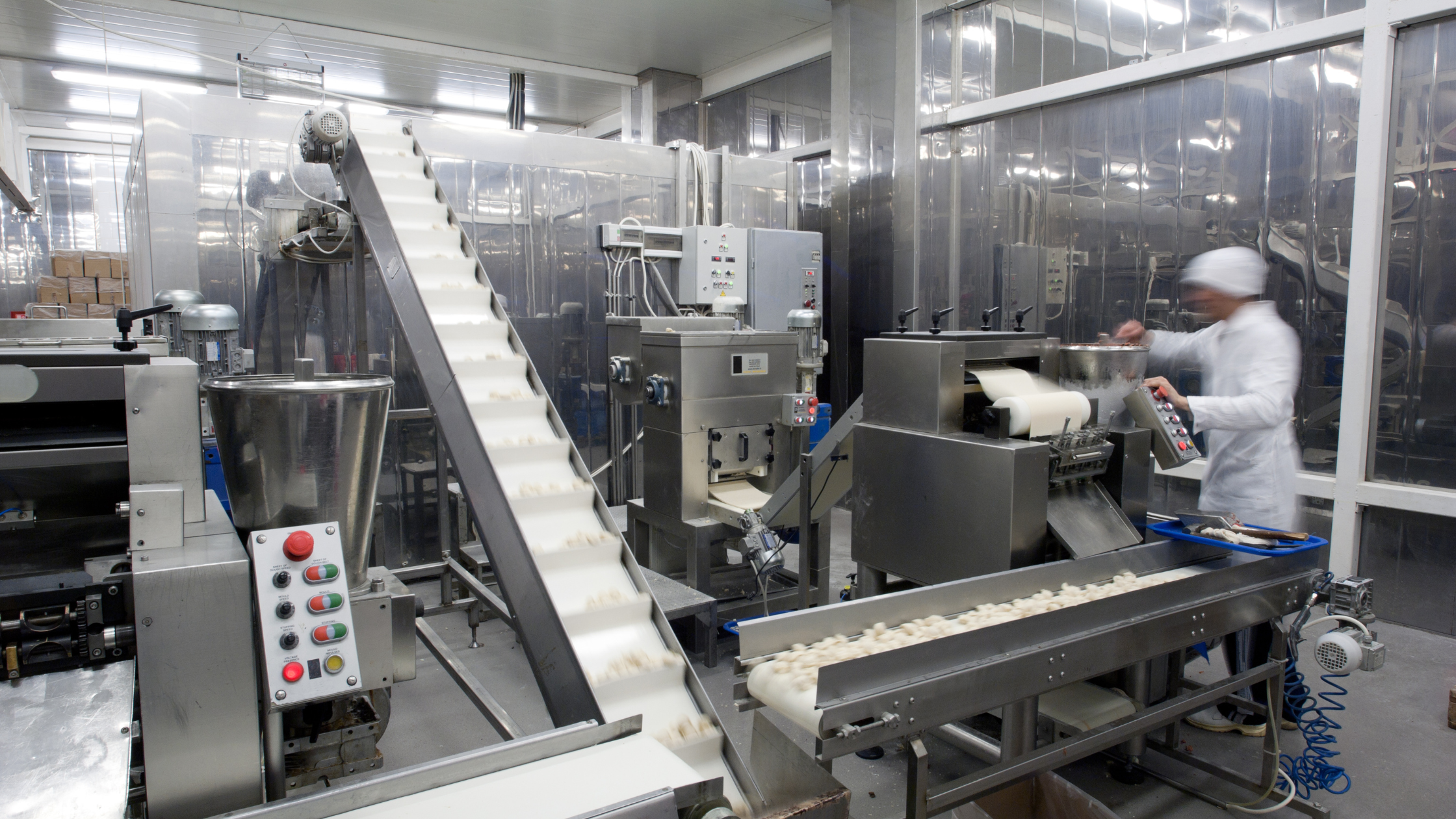
In food and nutraceuticals, freeze drying is often the default, but product teams are switching to vacuum microwave drying to move faster without giving up quality. REV™ is especially strong when teams need shorter drying cycles, better aroma and texture retention, and a more practical path to scale. Across the three categories below, the pattern is the same. When the bottleneck is speed, throughput, or product consistency, vacuum microwave drying is often the better commercial fit.
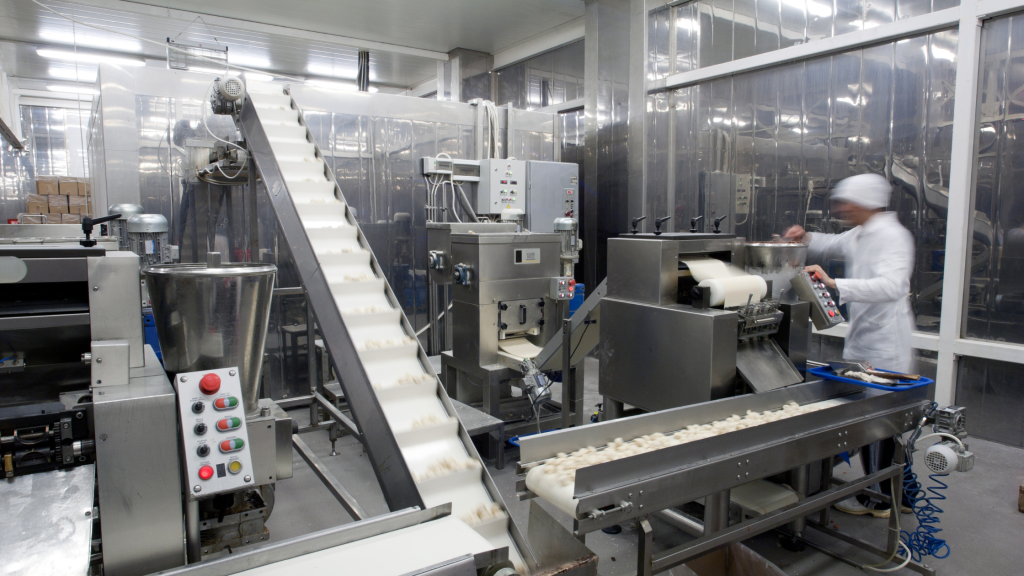
Why Are Teams Reconsidering Freeze Drying?
Freeze drying remains a high-quality method, but it is slow, energy-intensive, and not always the best match for commercial product development. In many cases, teams adopt it because it is familiar, not because it is the best answer for their product goals. That is why vacuum microwave drying is getting more attention in food innovation, cannabis, and nutraceuticals.
REV™ uses vacuum and microwave energy together, which lets teams dry at low temperature while controlling pressure and moisture more precisely. That matters because drying is not just about removing water. It is about preserving the qualities that make a product worth buying.
What Are the Key Metrics to Compare?
These are the numbers product teams care about most when comparing freeze drying vs vacuum microwave drying.
- Drying time. Freeze drying is often measured in hours to days, while REV™ can run in minutes for many products.
- Temperature. Freeze drying operates at subzero conditions, while REV™ typically runs at about 30 degrees C under vacuum.
- Texture. Freeze drying tends to create a light, porous texture, while REV™ can produce denser, crunchy, chewy, or custom textures.
- Energy use. Freeze drying is generally energy-intensive, while REV™ is designed to reduce drying time and energy burden.
- Commercial scale. Freeze drying is strong for premium preservation, but REV™ is often easier to connect to production throughput and scale-up.
Food Case Study What Happens With Herbs, Snacks, and Powders?
Freeze drying is often the default for herbs and premium ingredients, but it is not always the most efficient route. The problem is that long cycles can reduce aroma retention, increase energy use, and slow down product innovation. REV™ is a better fit when the goal is to preserve quality while moving much faster.
EnWave has shown that REV™ can dry basil in under 60 minutes while retaining more of key aroma compounds than freeze drying and using far less energy. The company also reports shelf life beyond two years at room temperature for some products. That is important for herbs, snacks, and powders because aroma and color are part of the product value, not just the ingredient list. McGill University research reveals REV™ produced the highest retention of all measured flavor and aroma compounds, nearly double the performance of freeze and air drying. Here’s the data:
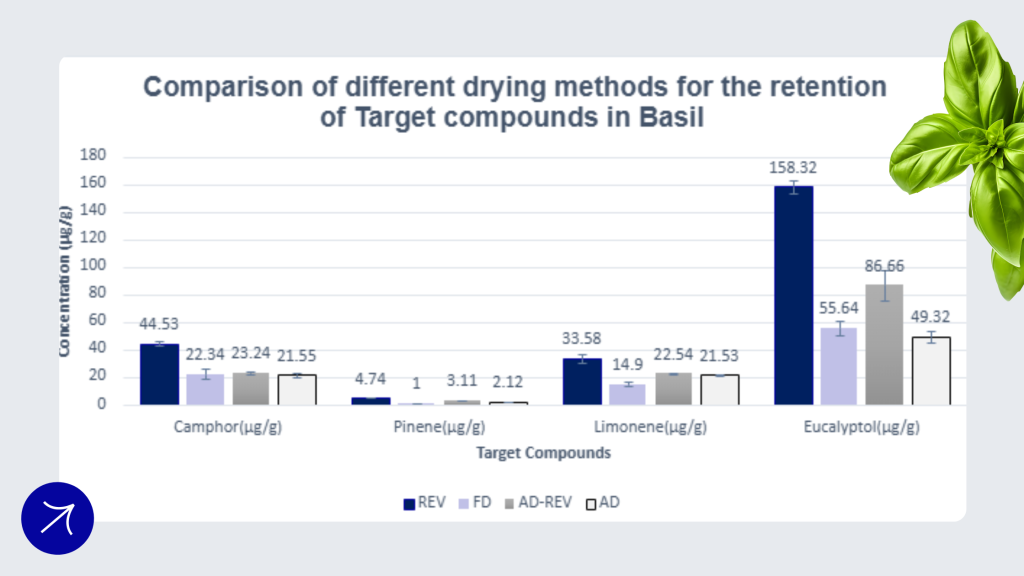
For food innovation drying technology, the practical outcome is simple. Teams can get from pilot to product faster without having to accept flat aroma or long production queues.
Why Does Aroma Retention Matter So Much?
Aroma is one of the first signs of quality for herbs, botanicals, fruit pieces, and spice-forward products. If drying strips away volatile compounds, the product can feel dull even if the texture is good. That creates a problem for premium food brands that rely on sensory impact.
Vacuum microwave drying helps because it shortens the time the product spends under heat and gives more control over moisture removal. That is useful for herbs, fruit inclusions, and powder ingredients where aroma is part of the product story. In many cases, better aroma retention also means less need for added flavour masking later in the formula.
Cannabis Case Study Why Are Brands Switching?
Cannabis drying is one of the clearest examples of where freeze drying is not always the best fit. Traditional methods can lose terpenes, take too long, and create costly bottlenecks between harvest and market. Freeze drying can preserve well, but the economics and throughput are not always ideal for commercial cannabis processing.
EnWave’s Terpene Max protocol is built to dry cannabis to about 10 to 12 percent moisture in under two hours while preserving more terpenes than room or rack drying. It is also positioned to maintain cannabinoid levels and reduce bioburden. For producers, that means a faster path from harvest to market with better control over aroma and product consistency.
This is where cannabis drying methods comparison becomes very practical. If the business needs speed, terpene retention, and consistent shelf-stable output, vacuum microwave drying can outperform slower legacy methods.
Why Is Terpene Retention Important in Cannabis?
Terpenes shape aroma, product identity, and consumer perception in cannabis. When they are lost during drying, the product can feel less premium and less differentiated. That matters because the consumer often notices aroma before anything else.
Vacuum microwave drying gives producers a better way to preserve that sensory value while still meeting commercial processing requirements. In other words, it is not only a drying solution. It is a product quality solution.
Nutraceutical Case Study What Changes for Heat-Sensitive Actives?
Nutraceutical ingredients are often more fragile than they look. Heat-sensitive actives can degrade during conventional drying, and long cycles can make the product harder to scale. That is why vacuum microwave drying is attractive for nutraceutical drying.
REV™ can run at low temperature under vacuum, often in the 30 degrees C range, which helps protect bioactive compounds while speeding up cycles. For nutraceutical brands, this means higher potency, better shelf stability, and faster scale-up. It also reduces the gap between R&D success and commercial launch.
This is especially valuable for powders, chews, functional inclusions, and ingredient systems that need to survive shelf life without losing performance. If the actives stay closer to their intended state, the brand has more confidence in the final product.
How Does Vacuum Microwave Drying Compare on Quality?
Vacuum microwave drying compares well on quality because it balances low temperature with faster moisture removal. In EnWave’s material, REV™ is described as a rapid, gentle process that can control temperature and final moisture by managing pressure and microwave power density. That makes the output more predictable than many conventional methods.
In food, cannabis, and nutraceuticals, quality is usually defined by three things.
- Retention of aroma or bioactives.
- Texture that matches the intended product.
- Shelf stability that supports real-world distribution.
Freeze drying can do well on preservation, but REV™ often does better on speed and commercial practicality. For many teams, that is the tradeoff that matters most.
When Does Freeze Drying Still Make Sense?
Freeze drying still makes sense when the product is ultra-fragile and the brand can accept longer cycles and higher cost. It is often used for premium products where maximum structural retention is the main goal. If time and throughput are not critical, freeze drying can still be the right answer.
But if the question is how to bring a product to market faster, freeze drying is often not the best fit. That is especially true when the team needs to support food processing, commercial food dehydration, and product innovation at scale. In those cases, vacuum microwave drying is usually the more flexible option.
What Should Product Developers Take Away?
Product developers should think of freeze drying and vacuum microwave drying as solving different problems. Freeze drying is strong for premium preservation, while REV™ is better when the business needs speed, quality, and commercial scale in the same process. That is why so many teams are using REV in innovation-led categories.
A simple decision framework helps.
- Choose freeze drying when maximum preservation matters more than speed.
- Choose REV™ when aroma retention, texture control, and throughput matter together.
- Choose REV™ when scaling from pilot to production is a priority.
- Choose REV™ when the product has a strong commercial story but a fragile ingredient system.
Conclusion
Across food, cannabis, and nutraceuticals, vacuum microwave drying consistently outperforms freeze drying for speed, quality, and commercial scale. That is why REV™ is becoming a serious alternative in categories where innovation bottlenecks are expensive. If the goal is to preserve the product while moving faster, freeze drying vs vacuum microwave drying is not a close contest for many commercial teams.
FAQ
What is the main difference between freeze drying and vacuum microwave drying?
Freeze drying removes water by sublimation under low temperature and vacuum, while vacuum microwave drying uses microwave energy and vacuum to dry much faster at low temperature.
Is vacuum microwave drying faster than freeze drying?
Yes. EnWave states that REV™ can dry many products in minutes or under two hours, while freeze drying often takes hours to days.
Does vacuum microwave drying preserve quality?
Yes. It is designed to protect aroma, texture, and sensitive compounds by using controlled low-temperature drying.
Is REV good for cannabis?
Yes. EnWave’s Terpene Max protocol is designed to dry cannabis quickly while preserving terpenes and cannabinoid levels.
Is freeze drying still better for some products?
Yes. Freeze drying can still be a strong choice for ultra-fragile products where preservation is the top priority and time is less of a concern.
What industries use vacuum microwave drying?
Food, cannabis, and nutraceuticals are among the strongest use cases because they all need quality preservation and faster scale-up.
Further reading
EnWave What is REV
EnWave Popular food drying processes explained
EnWave How modern dehydration brings the farm to your table year round
Food Machinery Int Microwave dehydrator overview
https://www.foodmachineryint.com/everything-you-need-to-know-about-microwave-dehydrator-in-2024
ScienceDirect Microwave Drying
https://www.sciencedirect.com/topics/agricultural-and-biological-sciences/microwave-drying
PMC Freeze-Drying of Plant-Based Foods
https://pmc.ncbi.nlm.nih.gov/articles/PMC7022747
BIV EnWave microwave dehydration tech
https://www.biv.com/news/technology/vancouver-based-enwaves-microwave-dehydration-tech-8238350