

Why Freeze Drying can’t do continuous processing
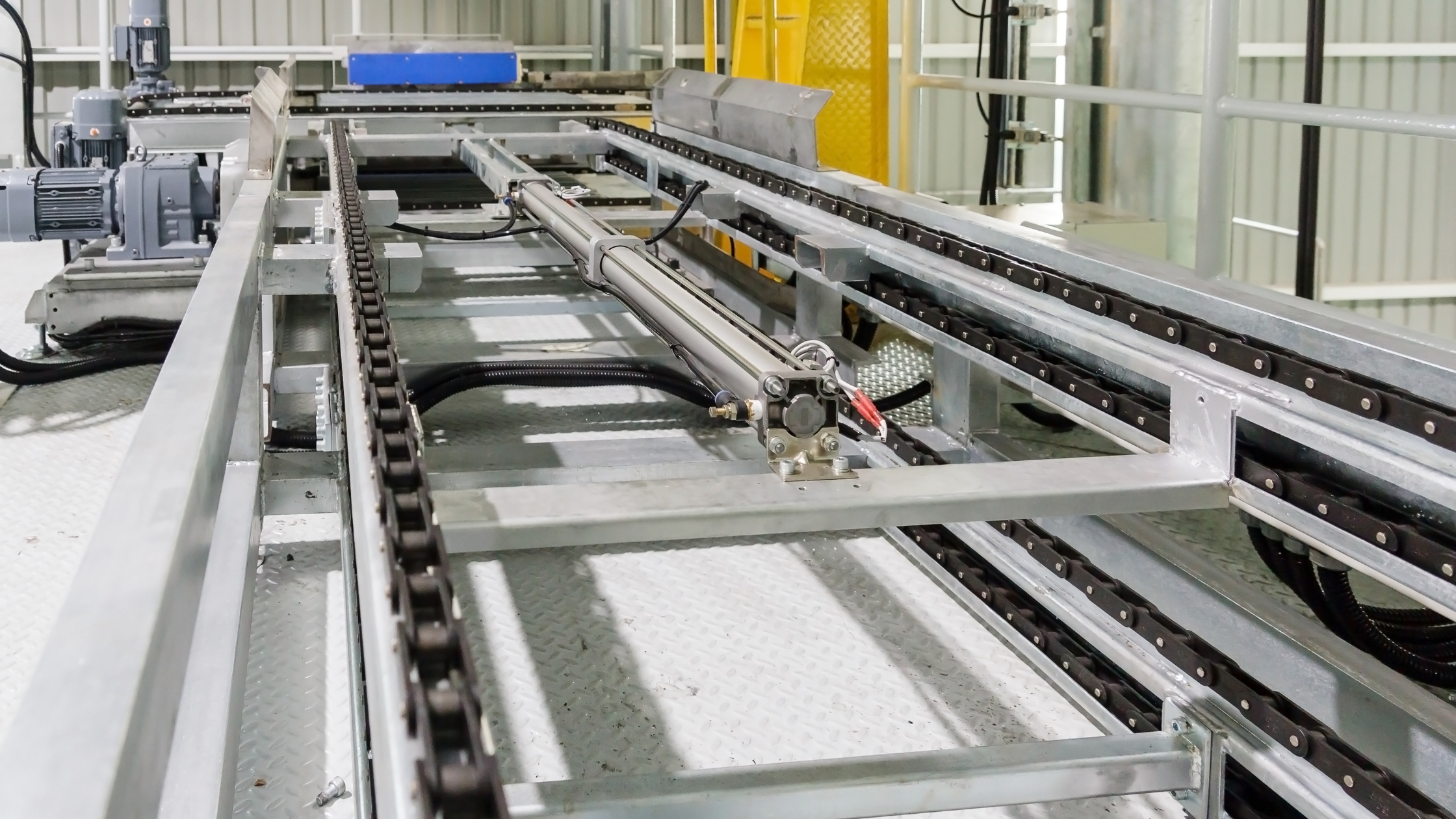
Freeze drying offers precise control for batches, but it can’t process continuous batches at commercial scale. Cycle times stretch to days, risks of melt-back and collapse grow, and even minor errors can ruin entire loads. Many food processors now turn to vacuum microwave drying like REV™ for similar quality with far less waste at commercial volumes.
Key Takeaways
- Freeze drying can’t run continuous batches and struggles with 24-48+ hour cycles, causing high sample loss from collapse or uneven drying.
- REV™ vacuum microwave drying cuts times to 30-120 minutes with uniform results and robust textures.
- Factory teams lose less product and iterate faster, improving yields and margins.
How Does Freeze Drying Work and What’s the Limitation at Scale?
Freeze drying freezes product solid, then uses vacuum for sublimation where ice turns straight to vapor. Primary drying removes 95% of water, secondary drying handles leftovers at slightly higher heat. Lab batches work smoothly, but commercial loads create thermal gradients where edges dry faster than centers.
This sensitivity worsens as batch size increases. Overloaded shelves struggle with heat transfer, leading to melt-back where ice refreezes unevenly. Full runs take 24 to 48 hours or more, so one slip means days of lost production. Because freeze drying is not continuous, every misstep sets back production timelines. Ops managers often see perfect R&D results fail when scaling to truckload volumes.
What Causes the Most Sample Loss in Commercial Freeze Drying?
Sample loss hits food processors hardest at scale. Here’s what commonly goes wrong:
- Melt-back during primary drying. Heat pushes too hard on heavy loads, causing partial melting and structural collapse. Wet spots fail microbial specs.
- Uneven drying across trays. Centers stay damp while edges over-dry and crack, forcing rework or total discard.
- Fragile structures post-drying. Porous, brittle pieces crumble during handling, packaging, or shipping, downgrading premium product.
- Parameter drift over long cycles. Vacuum fluctuations or shelf temp changes midway mean the whole batch suffers after 36+ hours invested.
A single failed run can mean 20-30% yield loss. Multiply that across weekly production, and margins erode fast.
How Does REV™ Vacuum Microwave Drying Reduce Sample Loss?
REV™ combines microwave energy with vacuum for volumetric heating that dries from inside out. Cycles finish in 30 minutes for strawberries or 1-2 hours for cheese snacks, shrinking the window for errors. Uniform energy hits all product equally, avoiding edge-center issues common in freeze drying.
Products come out crunchy and robust, like Moon Cheese or Dole Good Crunch, standing up better to handling. Short cycles let teams run multiple SKUs daily, learning and adjusting without huge losses. EnWave clients see consistent yields above 90% even at full commercial scale.
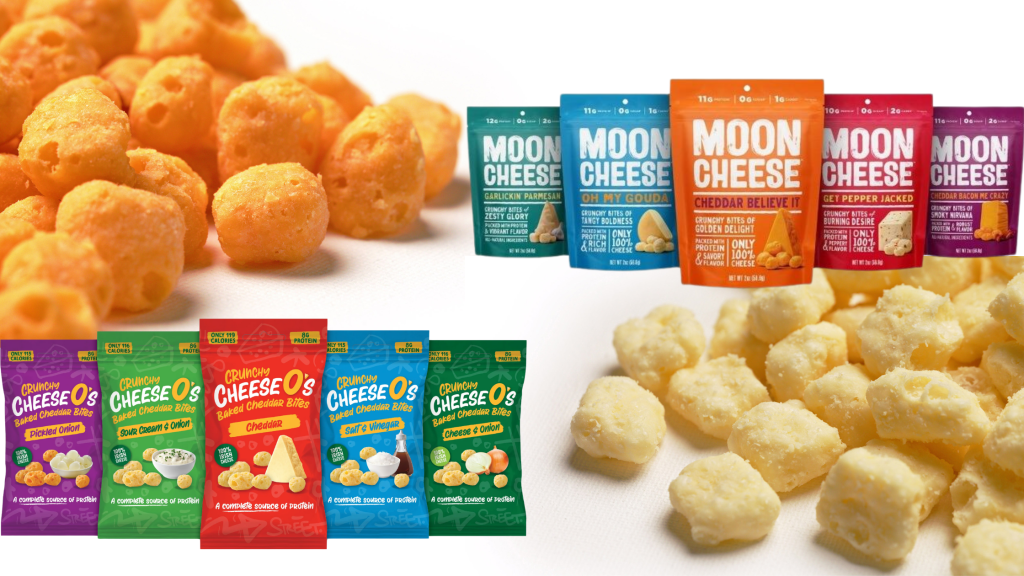
Comparison: Freeze Drying vs REV™ at Commercial Scale
See detailed product comparisons and real results on our Freeze Drying page.
Why Do Short Cycles Matter More Than You Think for Product Development?
Long freeze drying cycles lock teams into slow iteration. A parameter tweak means another 48 hours to test. REV™ lets you run 10 experiments weekly. Tweak power, pressure, or load size and see results same day.
This speed accelerates food innovation. Brands nail formulations faster, hit market sooner. Sample loss drops because failures stay small. Developers focus on creativity, not babysitting marathon runs. Microwave drying equipment like REV™ turns R&D into a competitive edge.
Can REV™ Match Freeze Drying Quality Without the Scale Headaches?
Yes, REV™ delivers freeze-dry-like nutrition and texture with commercial robustness. Vacuum keeps temps low at 25-40°C, preserving vitamins and antioxidants. Microwave penetrates evenly, avoiding the hot spots that plague contact drying.
Tests show REV™ retains 80%+ vitamin C in berries, close to freeze drying’s 84% but in 1/20th the time. Flavors pop brighter without additives. For snacks and inclusions, crunchy bits hold up in mixes or packaging where freeze-dried flakes shatter.
How Much Sample Loss Can Your Margins Really Handle?
Even 10% loss adds up. At 1,000 kg weekly, that’s 100 kg wasted. At $5/kg raw cost, you’re out $500 weekly, $26,000 yearly. Factor labor, energy, and downtime, and it compounds.
REV™ cuts this through repeatability. Volumetric drying means consistent moisture edge to edge. No guessing center dryness. Brands scale confidently, knowing yields hold steady from pilot to production.
Is Crunchy Texture Acceptable for My Product Line?
Crunch rules modern snacks. Think Moon Cheese exploding on shelves or Good Crunch veggie bites. Consumers love the satisfying snap over airy fragility. REV™ excels here, producing sturdy pieces that ship without breakage.
For inclusions or powders, REV™ offers flexibility. Partial drying yields chewy bites, full drying makes powders. Freeze drying locks you into porous cakes. Test both to see what fits your food tech vision.
A Scale-Up Checklist for Drying Technology Choices
Ask these before committing:
- How many dryer hours per kg at full volume? REV™ needs 60 minutes, freeze drying 30+ hours.
- What yield loss fits your budget? Calculate scrap impact over a year.
- Does fragile structure suit your packaging and distribution?
- Can short cycles speed your product development timeline?
- What’s your energy budget? REV™ saves 85% vs freeze drying.
FAQ: Common Freeze Drying and Scaling Questions
How long does commercial freeze drying really take?
Full batches run 24-48 hours minimum, often longer with thick loads. REV™ finishes most products in under 2 hours.
What is melt-back in freeze drying?
Ice partially melts from uneven heating, collapsing structure and creating wet spots that fail quality checks.
Does microwave drying preserve nutrients like freeze drying?
Yes, REV™ retains 80-90% of vitamins and antioxidants at low vacuum temps, comparable to freeze drying but much faster.
Why do freeze dried products crumble so easily?
The porous structure from sublimation makes pieces brittle. REV™ creates denser, crunchier results that handle better.
Can REV™ handle my specific product?
From fruits and cheese to meats and veggies, yes. EnWave’s library covers 100+ protocols. Trials confirm fit.
Ready to compare sample loss head-to-head? Schedule trials at EnWave Innovation Centre or through REVworx™ toll drying. Measure yields at your scale, not just lab dreams. Contact us to start.
Further Reading
EnWave: REV™ Technology https://www.enwave.net/about/rev/
Drying Technology Research https://www.sciencedirect.com/topics/agricultural-and-biological-sciences/microwave-drying
Food Processing: Dehydration Methods https://www.foodprocessing.com/articles/2023/optimizing-dehydration-systems/