

What the Humanization Trend Means for Pet Food in 2026
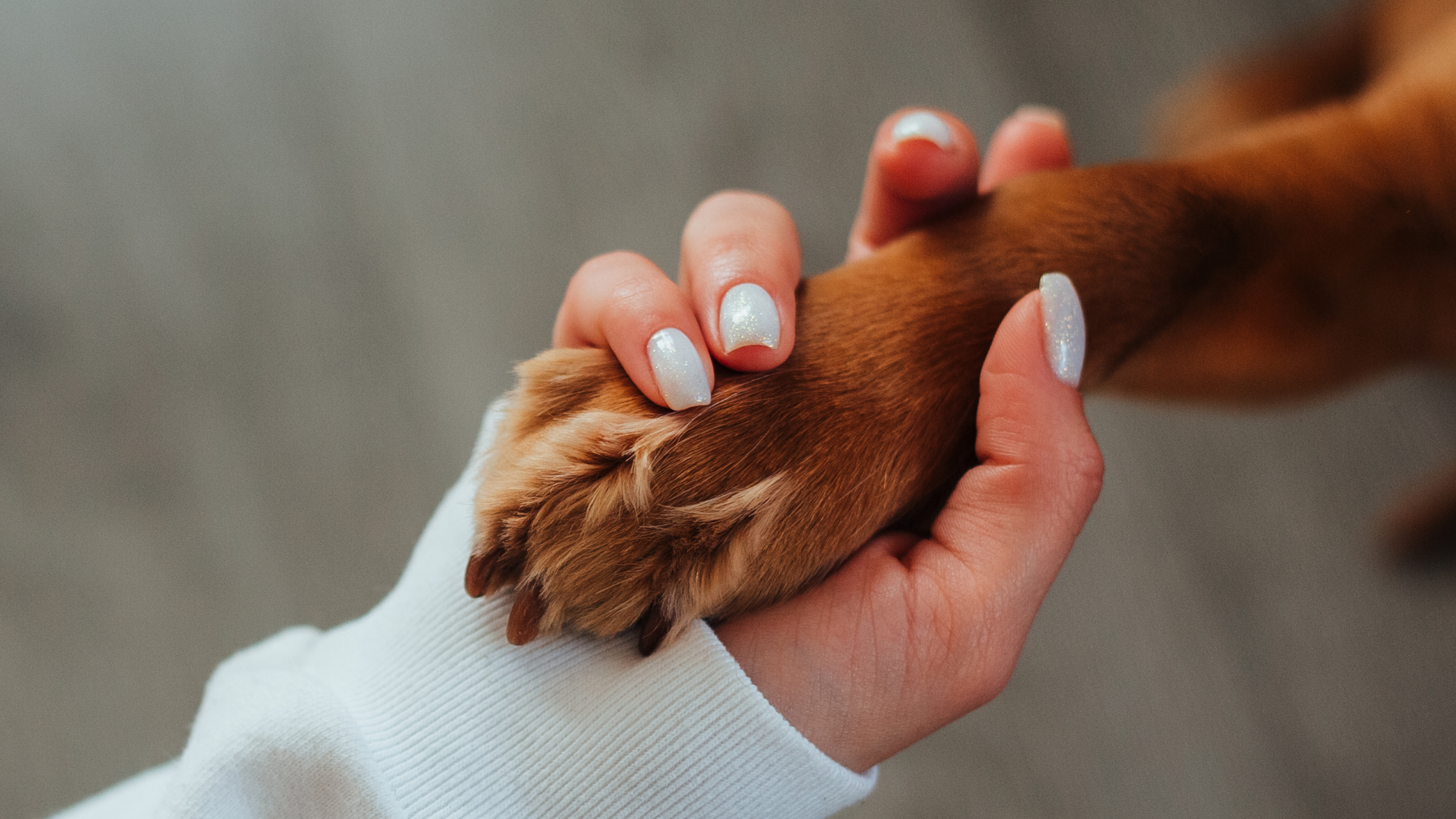
Pet treats are no longer viewed as occasional rewards. Increasingly, they are becoming part of daily routines, bonding moments, training sessions, travel experiences, and wellness programs.
As pet owners continue to humanize their pets, demand is growing for products that resemble the quality, convenience, variety, and sensory appeal of human snacks. Industry research highlights five major trends shaping pet food innovation in 2026, including wellness, humanization, occasion-based feeding, evolving protein preferences, and transparency.
For manufacturers, this creates a new challenge. Developing the next generation of premium pet snacks requires more than great ingredients. Texture, aroma, portability, shelf stability, and product differentiation all become critical.
This is where processing and drying technology play an increasingly important role in product innovation.
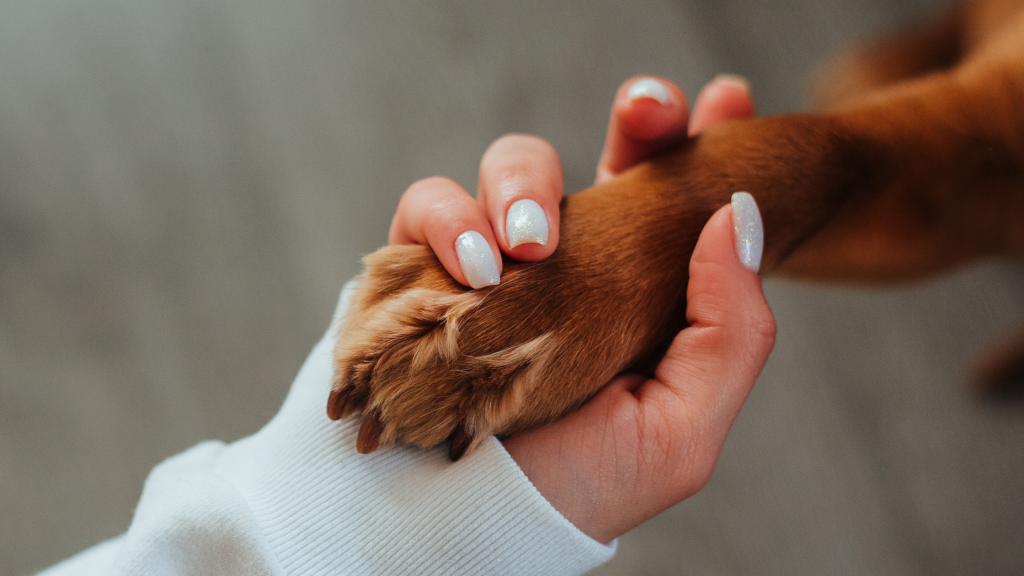
Why Are Pet Treats Shifting From Rewards to Everyday Moments?
Pet treats are becoming integrated into daily life because many owners now view their pets as members of the family. As a result, purchasing decisions increasingly mirror those seen in human food categories, where consumers seek quality, convenience, functionality, and personalization.
According to Innova Market Insights, humanization continues to be one of the most influential forces shaping the global pet food market. Pet owners are increasingly interested in premium ingredients, minimally processed products, and formats that align with their own lifestyles.
This shift is creating entirely new consumption occasions, including:
- Training rewards
- Travel snacks
- Daily wellness routines
- Functional supplementation
- Bonding moments
- Seasonal treats
- Limited-edition offerings
As these occasions multiply, pet food manufacturers are under pressure to develop products that deliver a more engaging experience.
What Is Pet Food Humanization?
Pet food humanization refers to the growing tendency for pet owners to treat their pets like family members and apply the same standards they use when purchasing food for themselves.
In practical terms, this means consumers increasingly look for:
- Human-grade ingredients
- Clean ingredient lists
- Functional nutrition
- Premium nutrition claims
- Convenient packaging
- Transparency around sourcing
- Appealing textures and aromas
This mirrors trends that have already transformed the human snack market.
Consumers no longer simply want products that nourish their pets. They want products that fit into their lifestyles and reflect their personal values.
Why Are Occasion-Based Pet Treats Growing So Quickly?
Occasion-based feeding is becoming a major driver of product innovation because pet owners are increasingly looking for products designed around specific activities and moments.
According to Innova Market Insights, brands are beginning to position products around distinct occasions such as snacks, travel, outings, and daily routines. Portable packaging and resealable formats are becoming increasingly important.
This opens new opportunities for manufacturers to create products designed for:
Travel
Pet owners want portable pet treats that remain stable without refrigeration.
Training
Small-format products with high palatability can make training easier and more effective.
Wellness
Functional ingredients can be incorporated into everyday routines focused on digestive health, mobility, or skin and coat support.
Seasonal Experiences
Limited-edition flavors, proteins, and textures can help brands strengthen connections with consumers.
In each of these cases, product format becomes almost as important as nutrition itself.
Why Do Texture and Aroma Matter More Than Ever?
Texture and aroma are essential components of the snacking experience.
Humans often evaluate snacks based on crunch, chewiness, crispness, and flavor release. Similar considerations increasingly influence pet treat development.
As competition grows, brands are searching for ways to differentiate products beyond ingredients alone.
This has led to greater interest in:
- Crunchy pet treats
- Chewy pet treats
- Puffed textures
- Layered textures
- Dual-texture formats
- High-aroma products
Texture creates sensory engagement for pets while also influencing how consumers perceive product quality.
For manufacturers, achieving these texture profiles consistently requires careful control over processing conditions.
What Challenges Do Manufacturers Face When Creating Premium Pet Snacks?
Creating innovative pet snacks requires balancing multiple objectives simultaneously.
Manufacturers are expected to deliver:
- Premium quality
- Shelf stability
- Appealing texture
- Strong aroma retention
- Nutritional integrity
- Scalable production
- Economic viability
Many traditional drying methods force companies to make compromises.
For example, some drying approaches prioritize preservation while sacrificing processing speed. Others prioritize throughput but may alter texture or sensory qualities.
As pet food humanization accelerates, these trade-offs become increasingly visible.
Consumers have more options than ever and are actively seeking products that stand out.
How Does Drying Technology Influence Pet Snack Innovation?
Drying technology affects much more than moisture removal.
The drying process often influences:
- Product texture
- Product appearance
- Final moisture content
- Shelf life
- Aroma retention
- Ingredient integrity
- Consumer perception
The Institute of Food Technologists notes that food processing technologies play a critical role in creating safe, shelf-stable, nutritious products while supporting innovation throughout the food system.
This same principle applies to pet foods.
As manufacturers develop more sophisticated snack formats, drying technology becomes an increasingly important tool for product differentiation.
What Role Can Vacuum Microwave Drying Play in Premium Pet Snack Development?
Vacuum microwave drying combines microwave energy with a vacuum environment to remove moisture at lower temperatures than many conventional drying methods. Scientific reviews describe vacuum microwave drying as a fast and efficient dehydration process with applications across a wide range of food products.
Researchers have reported benefits including:
- Improved quality retention
- Efficient moisture reduction
- Enhanced texture characteristics
- Reduced processing times
- Lower thermal exposure compared with some conventional approaches
For product developers working on premium pet snacks, these characteristics can create opportunities to explore formats that may be difficult to achieve through traditional approaches.
At EnWave, our patented REV™ technology uses vacuum microwave dehydration to help manufacturers develop shelf-stable products while maintaining control over texture and product characteristics.
Depending on the application and target moisture level, products can be developed with different texture profiles ranging from crunchy to chewy. This flexibility can support innovation across a wide range of premium pet snack concepts.
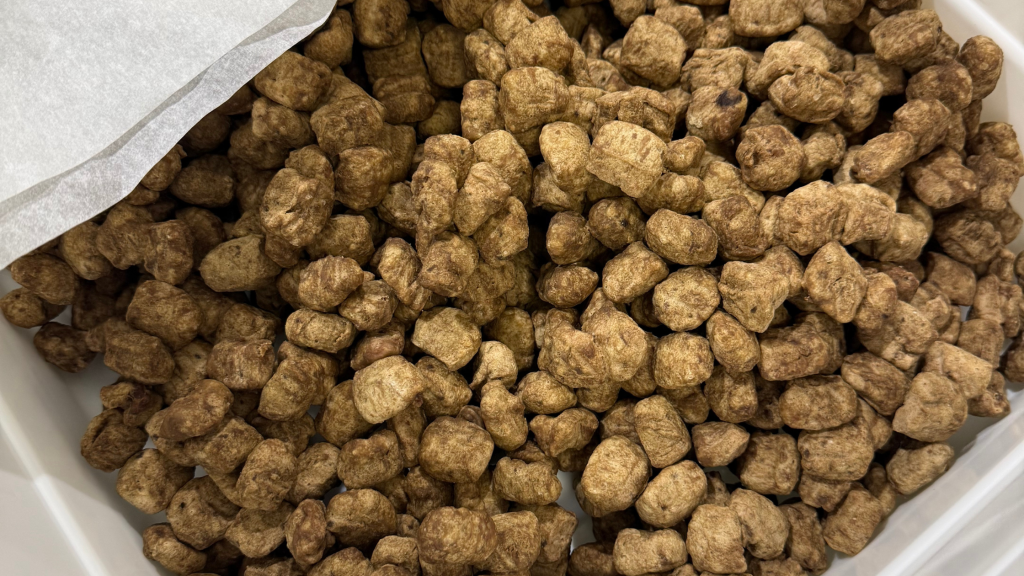
What Could the Next Generation of Pet Snacks Look Like?
As consumer expectations evolve, the definition of a pet treat continues to expand.
Some emerging product concepts include:
Crunchy Cheese-Based Treats
High-protein cheese snacks continue to attract attention for both human and pet applications. Unique textures can help create premium positioning.
Seafood-Based Functional Snacks
Consumers increasingly associate seafood ingredients with omega-3 nutrition and wellness-focused formulations.
Premium Meat Bites
Single-ingredient and minimally processed formats align with growing consumer interest in transparency and ingredient simplicity.
Upcycled Ingredient Treats
Sustainability continues to influence purchasing decisions across food categories. Incorporating upcycled fruits and vegetables can help brands create differentiated products while supporting sustainability objectives.
Limited-Edition Seasonal Products
Seasonal launches provide opportunities to strengthen engagement and encourage repeat purchases.
Dual-Texture Products
Combining crunchy exteriors with softer interiors can create more engaging eating experiences while supporting premium positioning.
How Can Pet Food Manufacturers Stand Out in a Crowded Market?
The most successful pet snack brands are increasingly moving beyond simple ingredient claims.
Future leaders will likely combine:
- Strong nutrition stories
- Premium ingredients
- Product functionality
- Memorable textures
- Convenience
- Packaging innovation
- Unique sensory experiences
This shift mirrors the evolution of the human snack market, where experience often matters as much as formulation.
As pet food humanization continues to influence purchasing decisions, companies that can create products tailored to specific moments and experiences may be better positioned to capture consumer attention.
Conclusion
The future of pet treats is no longer defined solely by nutrition. Increasingly, it is shaped by experiences.
As pet owners seek products that fit into travel, training, wellness, and everyday companionship, manufacturers have an opportunity to rethink what a pet snack can be.
Texture, aroma, convenience, functionality, and product differentiation are becoming just as important as ingredient selection. The brands that capitalize on these evolving expectations will be the ones that transform pet treats from simple rewards into meaningful moments.
For food innovators exploring the next generation of premium pet snacks, processing technology is no longer just an operational consideration. It is becoming a product development tool that can help turn trends into commercially successful products.
FAQ
What is pet food humanization?
Pet food humanization describes the trend of owners treating pets like family members and seeking higher-quality, premium, and better-tailored food products for them.
What are occasion-based pet treats?
Occasion-based pet treats are products designed for specific moments such as travel, training, wellness routines, daily bonding, or seasonal celebrations.
Why are premium pet snacks becoming more popular?
Pet owners increasingly prioritize quality, wellness, transparency, and functional benefits. This is driving demand for premium products with differentiated ingredients, textures, and nutrition profiles.
Why is texture important in pet treats?
Texture influences both pet enjoyment and consumer perception. Crunchy, chewy, puffed, and dual-texture formats help brands create unique product experiences.
How does drying technology affect pet snack quality?
Drying technology influences shelf stability, moisture content, texture, aroma, appearance, and overall product characteristics. Food processing technologies play a significant role in determining final product quality.
What is vacuum microwave drying?
Vacuum microwave drying is a dehydration process that combines microwave energy and vacuum conditions to remove moisture efficiently while helping control product characteristics. It is widely studied in food processing research.
How does REV™ technology support pet snack innovation?
REV™ technology enables manufacturers to develop a wide variety of shelf-stable pet snack formats with different texture profiles, helping support product innovation and differentiation.
Further Reading
- Innova Market Insights – Pet Food Market Trends 2026
- Petfood Industry – 5 Trends Driving Pet Food Innovation in 2026
- American Pet Products Association Industry Statistics
- FDA Pet Food Resources
- Institute of Food Technologists Food Processing Toolkit
- Vacuum Microwave Drying Technology for Foods
- Advances in Vacuum Microwave Drying Systems for Food Products
- MDPI Review on Vacuum Microwave Drying
- Anuga FoodTec – The REV Technology from EnWave