
Designing experiments for new dried products: A practical R&D framework
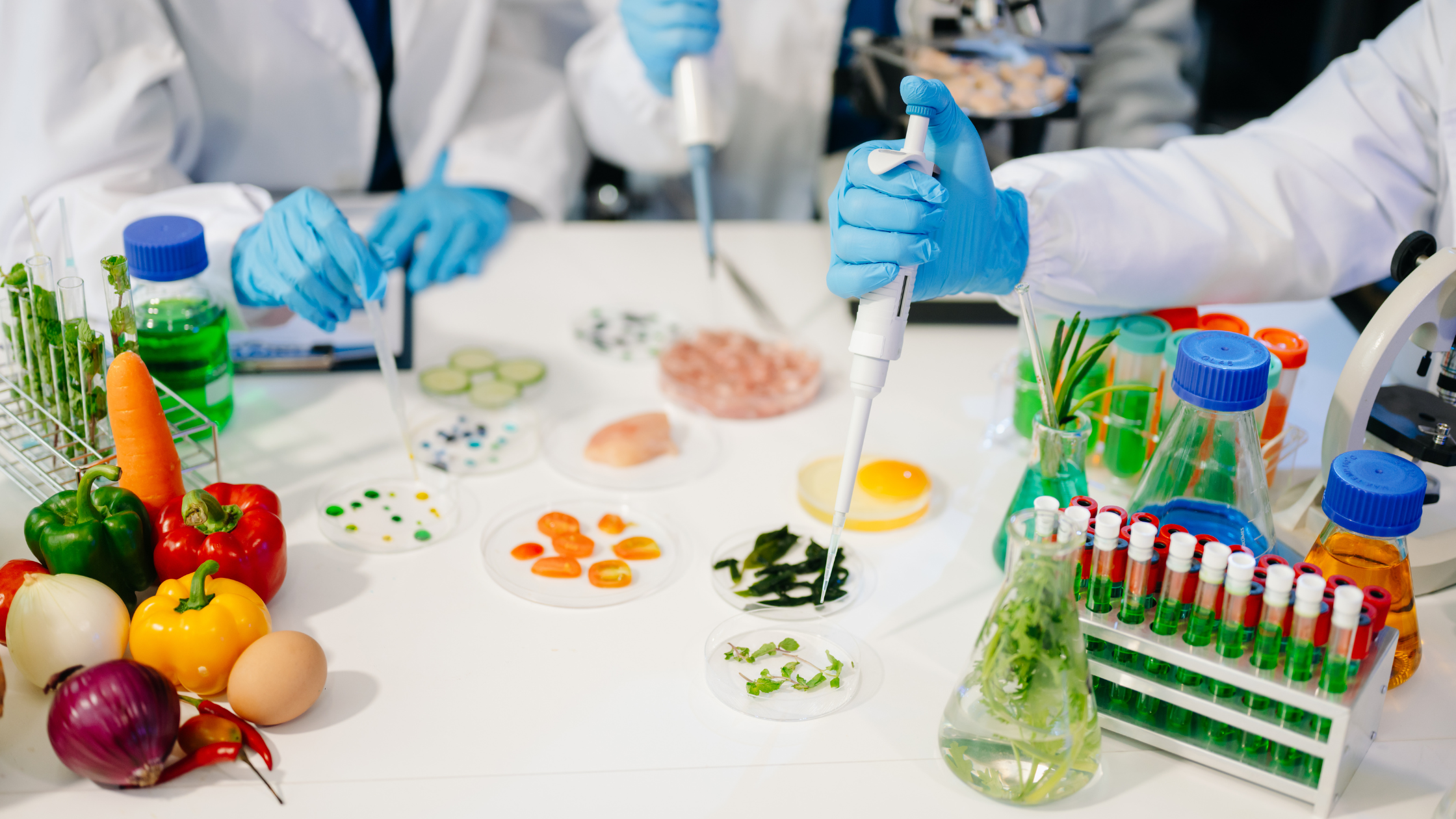
R&D teams design REV™ experiments by first screening time, power, and pressure settings. Response surface models then optimize texture, color, and rehydration properties for new products. Small-scale tests predict production-scale results with high accuracy.

Quick Overview
Screening narrows parameter ranges quickly on pilot REV™ units. Response surfaces pinpoint optimal combinations for multiple quality traits. Scale-up validation ensures lab successes translate to commercial food drying runs.
Why Do R&D Teams Need Structured Experiments for REV™?
Structured experiments cut trial-and-error time for new dried products. REV™ vacuum microwave drying reacts predictably to controlled changes in time, power, and pressure. Teams launch viable SKUs faster with data-backed decisions.
Random testing wastes materials and machine hours. Frameworks focus efforts on high-potential zones. Food processors gain confidence scaling from prototypes to tons.
This approach suits product development across snacks, powders, and ingredients. Clear protocols train new researchers too.
How Do You Screen Time, Power, and Pressure for REV™ Products?
Screen three to five levels of each parameter in full factorial design. Track moisture content, visual color, and basic texture for each run.
Set time from 15 to 45 minutes, power at 30-70% capacity, pressure between 40-150 mbar. These ranges cover most fruits, meats, and veggies.
Main effects analysis reveals dominant factors fast.
How Do Small REV™ Units Predict Commercial Performance?
Small 10 kW REV™ machines scale linearly to 60 or 100+ kW production units. Matching power-to-weight ratios ensures drying physics across sizes. Lab batches predict pilot results within 5-10% for moisture and texture.
Test identical loading densities like 1.5 kg fresh per kW. Uniform tray spacing carries over perfectly.
Validation runs at three scales confirm transferability.
What Are the Core Steps in a REV™ R&D Framework?
This seven-step sequence guides teams from raw material to validated formula. Each phase builds data for the next.
- Define measurable targets for moisture, color delta-E, rehydration rate.
- Screen three factors at three levels each.
- Analyze main effects and build initial response surface.
- Select optimal zone and run confirmations.
- Scale to pilot with matched parameters.
- Validate sensory and shelf life.
- Document process window for production.
Templates streamline reporting. Teams iterate new SKUs in 4-6 weeks.
Why Start with Factorial Screening for REV™ Parameters?
Factorial designs capture interactions between variables. Time and pressure together might double puffiness effects versus solo testing.
Full 3^3 designs need only 27 runs. Fractional versions cut to 12-15 when time crunches.
Screening eliminates dead zones early. No viable parameter window signals recipe changes before heavy investment.
How Do You Optimize Texture in REV™ Experiments?
Texture optimization targets specific mechanical properties. Short high-vacuum cycles create airy puffs for snacks. Gradual power ramps build dense crisp for powders.
Use texture profile analysis for hardness, fracturability, and springiness metrics. Compare against commercial benchmarks.
Response surfaces typically peak texture at moderate settings. Overly aggressive parameters collapse structure.
What Color Metrics Guide REV™ Experimental Design?
Measure Lab color values against fresh controls. Target delta-E below 12 for premium appearance. Power levels above 70% often trigger enzymatic browning.
Low-temperature vacuum preserves anthocyanins in berries and carotenoids in carrots. Models predict safe operating windows.
Consumer testing confirms visual appeal correlates with instrumental color.
How to Test and Optimize Rehydration Properties with REV™?
Rehydration measures water uptake speed and completeness. Soak 5g samples in 50ml water, weigh after 2, 5, and 10 minutes. Target 85%+ recovery without residue.
Deeper vacuum creates more porous structures for rapid wetting. Surface models balance this against dry crispness.
Powder applications demand fastest times while snacks tolerate slower rates.
How Does REV™ R&D Compare to Commercial Freeze Drying Experiments?
Freeze drying experiments span days per trial with complex shelf temperature ramps. REV™ screens complete in hours with three controllable factors.
Freeze drying scale-up varies by load configuration. REV™ volumetric heating maintains uniformity regardless of batch size.
R&D costs drop with REV™ shorter cycles and lower energy draw.
How Do Factor Interactions Shape REV™ Response Surfaces?
Time-pressure interactions dominate snack textures. Short time plus deep vacuum maximizes volume. Opposite corners collapse or stay leathery.
Power amplifies both effects. Models include quadratic and cross-product terms for accuracy.
Confirmation runs verify predicted peaks hit targets.
Why Validate Scale-Up Early in REV™ Development?
Single-scale testing misses transfer gaps. Pilot validation catches loading density mismatches before production.
Three-scale progression confirms moisture uniformity within 2%. Texture metrics stay within 8% of lab.
This rigor prevents expensive field failures. Food processors demand proven scalability.
What Are Common REV™ Experiment Design Pitfalls?
Skipping replicates accepts high variability as truth. Always run minimum triplicates on edge conditions.
Ignoring loading patterns creates uneven drying data. Match production spacing from day one.
Over-optimizing single responses sacrifices balance. Multi-objective surfaces maintain product versatility.
Quick fixes:
- Triple check all critical points.
- Document tray configurations precisely.
- Balance all quality targets equally.
- Scale test before final validation.
How Does REV™ Accelerate Food Innovation Timelines?
REV™ enables parallel SKU development. Multiple teams screen simultaneously on modular units.
Full optimization cycle completes in 3-5 weeks versus 3-6 months for traditional drying. Market windows expand significantly.
First-to-market advantages compound with faster iteration capability.
How Are Designed Experiments Evolving in Food Tech Drying?
Machine learning augments traditional surfaces with real-time sensor data. REV™ units log thousands of parameters per run.
Predictive models reduce confirmation trials by 40%. Cloud platforms enable team collaboration across facilities.
FAQ
How many REV™ screening trials identify good parameter ranges?
Twenty-seven full factorial runs screen time, power, pressure effectively.
What software builds REV™ response surfaces best?
Design-Expert creates most intuitive contour plots and optimizations.
Why run replicates in REV™ experiments?
Controls variability, confirms statistical significance of effects.
How long for complete REV™ product development cycle?
Four to six weeks from screening through validation.
Can REV™ R&D handle sticky purees?
Yes, special trays prevent sticking while maintaining uniform drying.
Why multi-objective optimization over single trait focus?
Commercial products need balanced performance across all quality metrics.
What texture instrument works best with REV™ products?
Texture Profile Analysis measures hardness, crispness, and springiness reliably.
Wrapping Up
This practical framework guides R&D teams from REV™ screening through commercial validation. Structured experiments accelerate food product development while minimizing risk. Processors launch winning dried products faster and more predictably.
Further Reading
Food Processing: Drying Technology Advances https://www.foodprocessing.com/articles/2025/drying-innovations-review
IFT Journal: Response Surface Applications https://ift.onlinelibrary.wiley.com/doi/foodscience/rsm-drying-optimization
Snack Food & Wholesale Bakery: REV Case Studies https://www.snackandbakery.com/articles/rev-technology-applications
Drying Technology Journal: Microwave Vacuum Review https://www.tandfonline.com/doi/microwave-vacuum-drying
EnWave: REV Technical Overview https://www.enwave.net/technology/rev-parameters
Food Engineering Magazine: Scale-Up Best Practices https://www.foodengineeringmag.com/scaling-dried-products