
How to Keep Snacks Crisp and Shelf Stable
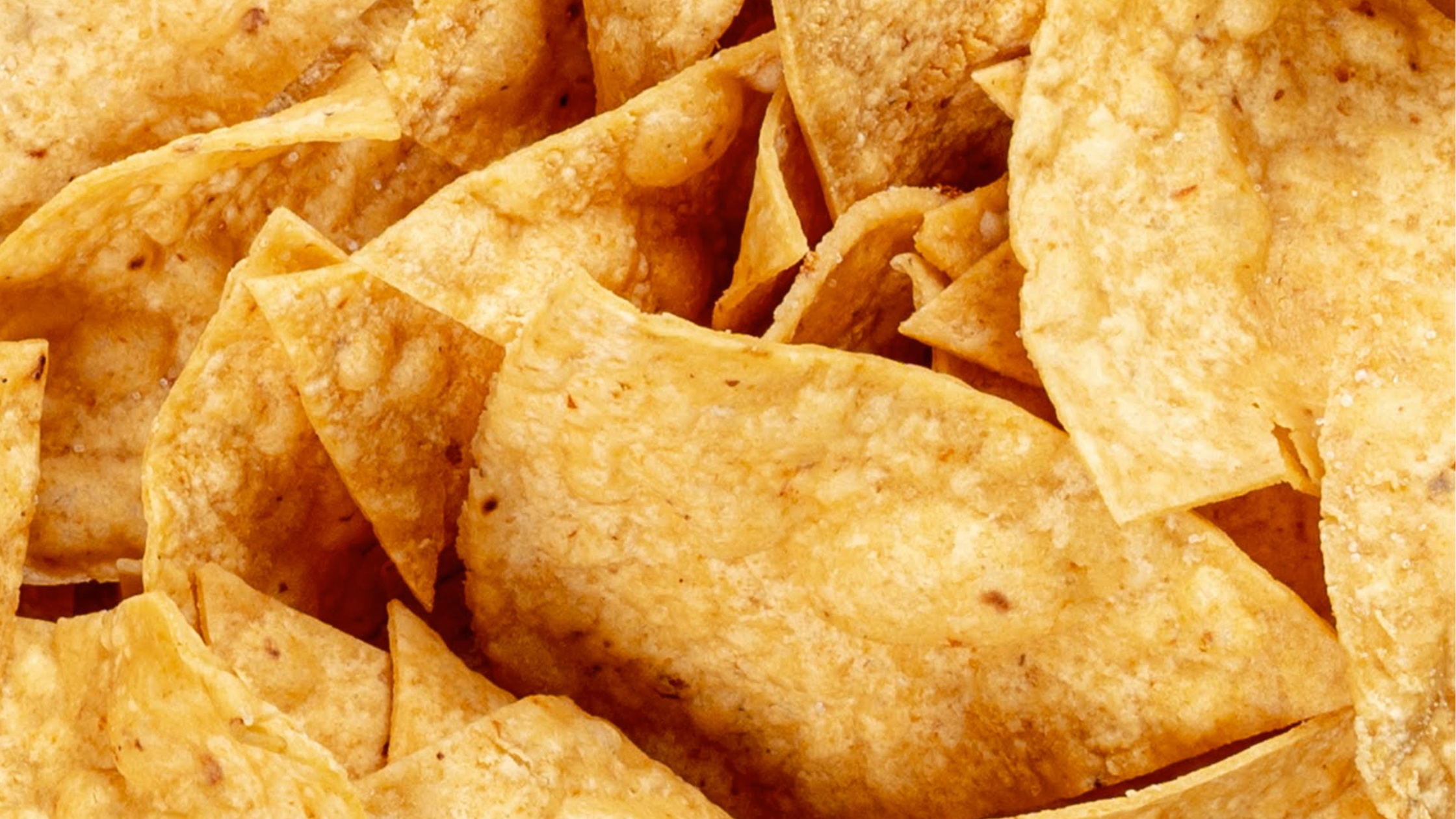
Crispness that survives distribution is the real test of a shelf-stable snack. Many products leave the factory in great shape, but lose texture during transit, storage, or time on shelf because of humidity, temperature swings, and moisture migration. Food technology solutions that control initial moisture and structure can help snacks stay crisp longer and handle real-world supply chain stress.
Why do so many snacks go stale before they reach the consumer?
Many snacks go stale before they reach the consumer because moisture moves into the product during distribution and storage. Even small changes in humidity or temperature can push water activity above the level where crispness starts to fail. That is why a snack can feel fresh at the plant and soft by the time it reaches the shopper.
This is not just a packaging problem. It is also a processing problem. If the initial moisture level or structure is not optimized, the product becomes more sensitive to moisture uptake. That makes it harder to maintain crispness through the entire journey.
What are the main distribution risks for crisp snacks?
The main distribution risks for crisp snacks are humidity, heat, time, and packaging breaches. Each of these factors can drive moisture migration into the product and reduce texture quality over time.
- Humidity allows water vapor to move into dry snacks.
- Heat accelerates moisture transfer and can change packaging performance.
- Time gives moisture more opportunity to migrate.
- Packaging breaches or weak barriers let humidity enter more easily.
When these factors combine, even a well-made snack can lose crispness before it is sold. That is why shelf-stable snacks need to be designed for the supply chain, not just the production line.
How does initial moisture level affect shelf life?
Initial moisture level affects shelf life because it sets the starting point for moisture migration. If a snack leaves the dryer with too much residual moisture, it has less capacity to absorb water from the environment before texture begins to fail.
A lower and more uniform moisture content gives the product a larger buffer against humidity during distribution. It also helps keep water activity in a range that supports crispness and stability. That is why food processing technology that targets precise moisture endpoints is so important for snack product development.
Why does structure matter for crispness?
Structure matters because it determines how a snack responds to moisture uptake. A dense or uneven structure can trap moisture in some areas while leaving others vulnerable. That leads to inconsistent texture and faster loss of crispness.
A more uniform internal structure can help the snack resist moisture migration more evenly. It also supports a cleaner bite and a more predictable sensory experience. For food innovation teams, that means the drying method is not just about removing water. It is about shaping the product in a way that supports long-term texture.
How does moisture migration in snacks work?
Moisture migration in snacks works by moving water from areas of higher water activity to areas of lower water activity. In a distribution environment, that often means humidity in the air moving into the dry product.
This process can happen through the packaging if the barrier is not strong enough, or through small breaches in seals. Over time, even low levels of moisture transfer can soften a crisp snack or change its mouthfeel. That is why controlling both initial moisture and packaging performance is critical for extended shelf life.
What role does food processing technology play?
Food processing technology plays a central role because it determines how moisture is removed and how the product structure is formed. If the drying method creates uneven moisture or damages the internal structure, the snack becomes more vulnerable during distribution.
Technologies that offer precise moisture control and gentle drying can help create a more robust crispness. That makes the snack less sensitive to humidity and temperature swings. For brands focused on shelf-stable snacks, that is a key part of the product strategy.
How does REV™ help create more robust crispness?
REV™ helps create more robust crispness by combining vacuum and microwave energy to dry products rapidly at low temperature while controlling final moisture. The process as allows precise control over pressure and microwave power density, which helps manage both temperature and moisture endpoint.
This control matters because it allows teams to target the exact moisture level needed for crispness without over-drying or under-drying. It also supports a more uniform internal structure, which can help the snack resist moisture migration more effectively. For many applications, that makes REV a strong option among food technology solutions.
Why is crispness that survives distribution so important?
Crispness that survives distribution is important because it is what the consumer actually experiences. A snack that is crisp at the factory but soft on shelf will not earn repeat purchases. That is why true shelf stability is proven in the supply chain, not just in the lab.
For brands, that means the drying process and moisture control are part of the product promise. If the texture cannot hold up through transit, storage, and retail conditions, the product will struggle no matter how good it tastes at launch.
How should teams test for real-world distribution stress?
Teams should test for real-world distribution stress by simulating humidity, temperature swings, and time in transit. Accelerated shelf life testing can help show how the product behaves under different conditions.
A practical test plan includes:
- Moisture and water activity measurements at launch.
- Texture testing after exposure to high humidity.
- Storage trials under realistic temperature cycles.
- Packaging integrity checks over time.
- Sensory evaluation at multiple time points.
If the product fails under these conditions, the issue may be initial moisture, structure, or packaging. That is why food dehydration and packaging need to be evaluated together.
What can brands learn from the Solve Foods case study?
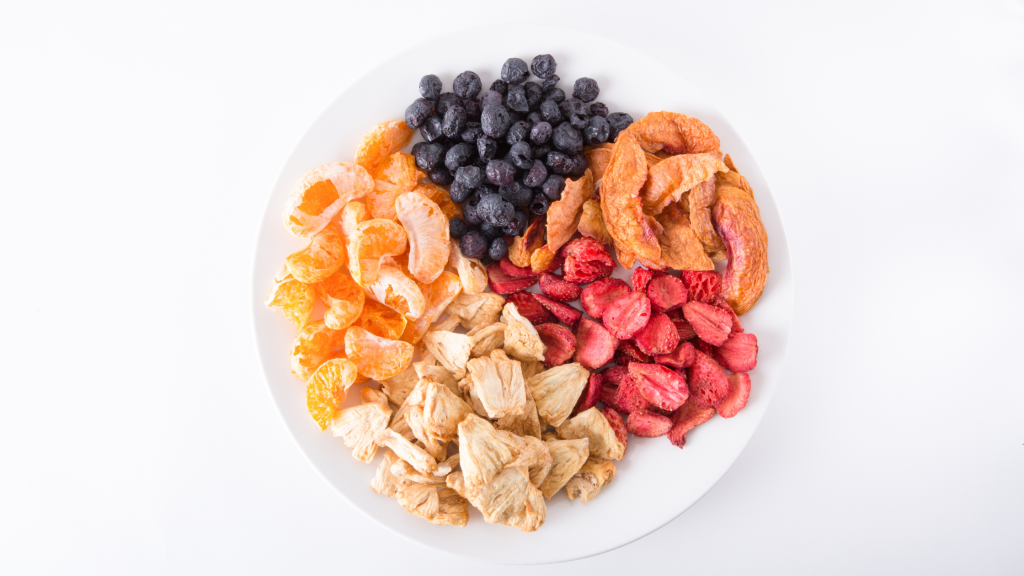
Brands can learn from the Solve Foods case study that crispness and shelf stability can be achieved together when the process is designed for both. Solve partnered with EnWave to create a light, crunchy fruit snack that preserved the real taste, color, aroma, and nutritional value of the fruit while remaining shelf stable.
The key lesson is that the drying method shaped the product experience. Traditional drying methods often made fruit snacks too hard, too chewy, or discolored. Freeze drying offered quality but was not a good fit for the accessible, everyday snack brand Solve wanted to build. REV gave them a platform for innovation that was clean-label, shelf-stable, scalable, and genuinely delicious.
How does this connect to snack product development?
This connects to snack product development because texture is now a major driver of consumer interest. Mintel’s 2026 texture analysis shows that consumers are increasingly focused on texture satisfaction, with demand growing faster than supply in many categories.
For product teams, that means crispness is not just a technical goal. It is a market opportunity. Snacks that can deliver reliable texture through distribution have a better chance of standing out and earning repeat purchase.
Conclusion
True shelf stability is proven in the supply chain, not just in the lab. Crispness that survives distribution depends on initial moisture control, product structure, and packaging performance. Food technology solutions that address all three can help snacks stay crisp longer and handle real-world stress.
REV™ is relevant because it gives teams more precise control over moisture and structure, which supports a more robust crispness. For brands comparing commercial freeze drying, food dehydration, and other drying technology options, the real question is simple. Which system helps you create a snack that stays crisp from the factory gate to the consumer’s hand?
FAQ
Why do snacks lose crispness during distribution?
Snacks lose crispness when moisture migrates into the product due to humidity, temperature swings, and time in transit.
How does initial moisture affect shelf life?
Lower and more uniform initial moisture gives the snack a larger buffer against moisture uptake, which helps maintain crispness longer.
What role does structure play in crispness?
A uniform internal structure helps the snack resist moisture migration more evenly and supports a cleaner, more predictable texture.
How can food processing technology help?
Food processing technology that offers precise moisture control and gentle drying can create a more robust crispness that is less sensitive to distribution stress.
What makes REV™ useful for shelf-stable snacks?
REV™ combines vacuum and microwave energy to control final moisture and structure, which helps snacks stay crisp and stable through the supply chain.
How should teams test for distribution stress?
Teams should use accelerated shelf life testing, humidity exposure, temperature cycles, and sensory evaluation to see how the product behaves in real conditions.
Further reading
EnWave Freeze dry comparison
EnWave The best drying method for product innovation
EnWave Engineer the perfect snack textures
Mintel Snacking Texture Wars 2026
Moisture migration as an influencing factor in food
https://www.sciencedirect.com/science/article/pii/S2949822825007233
Food Preservation for Snacks: Shelf-Life Risks and Fixes
Accelerated Shelf Life Testing for Snacks and Bakery Products
https://www.libtest.com/accelerated-shelf-life-testing-for-snacks-and-bakery-products.html
Why Do Snacks Lose Crispiness? Food Science Explained
https://foodtechsimplifieds.blogspot.com/2026/03/why-do-some-snacks-lose-crispiness.html