

The Formula for Less Sugar and Better Taste
Sugar reduction works best when reformulation and process design are treated as one system, not two separate tasks. The strongest sugar-reduced products usually combine smart ingredient replacement, careful sweetness balancing, and gentle processing that protects flavor, color, and texture. For brands in snacks, beverages, and low-sugar functional foods, the real goal is to reduce sugar without creating the flat taste, weak mouthfeel, or short shelf life that often cause products to fail.
Why Is Sugar Reduction Still Hard?
Sugar does more than sweeten. It also adds bulk, browning, mouthfeel, and shelf-life support, which is why removing it can make a product feel thin or unfinished. That is the main reason many sugar-reduction reformulation projects struggle.
Consumers still want better-for-you products, but they do not want to feel like they are giving something up. FoodNavigator’s 2026 trend coverage points to continued interest in health-forward products that still taste good, which keeps pressure on brands to get the balance right . The products that win are the ones that feel familiar, satisfying, and clean-label at the same time.
What Does Sugar Reduction Reformulation Really Involve?
Sugar reduction reformulation means changing the recipe, the process, or both so the product contains less sugar while still delivering the expected sensory experience. That can include ingredient replacement, sweetness balancing, texture rebuilding, and shelf-life adjustments. It is not just a matter of swapping sugar for a sweetener.
A good reformulation process usually asks four questions.
- What function did sugar provide in the original product.
- What can replace that function without hurting taste.
- How will the new formula behave during processing.
- How will the product perform after packaging and storage.
That is why sugar reduction in food is best handled as a systems problem. If one part of the formula changes, the rest often needs to be adjusted too.
Which Sugar Replacement Ingredients Work Best?
The best sugar replacement ingredients depend on the product category. Natural sweeteners alternatives, intense sweetener blends, fibres, polyols, and fruit-based ingredients all play different roles. Some provide sweetness, while others replace bulk or improve mouthfeel.
Common approaches include:
- Intense sweetener blends for sweetness with low sugar.
- Fibres and starches to rebuild body and texture.
- Fruit powders and concentrates for natural sweetness and flavor.
- Polyols or bulking agents where structure matters.
- Fermented or processed ingredients that add clean-label value.
No single ingredient solves every problem. In many sugar-reduced products, the best result comes from combining several ingredients instead of relying on one substitute.
How Do Brands Reduce Sugar Without Losing Taste?
Brands reduce sugar without losing taste by protecting the flavor system, not just the sweetness level. That means understanding aftertaste, aroma release, acid balance, and texture together. A product can have the right sweetness on paper and still taste hollow or unbalanced in the mouth.
Taste masking of sugar substitutes is often part of the process. Some sweeteners can leave metallic, lingering, or cooling notes, so brands need acids, fruit flavors, or other flavor layers to soften those edges. The goal is not to make the product taste like “less.” It is to make the reduced-sugar version taste complete.
Why Does Texture Matter So Much in Sugar-Reduced Foods?
Texture and mouthfeel without sugar are often what make or break the product. Sugar helps create body, viscosity, and a rounded sensory finish, especially in snacks, beverages, baked goods, and frozen products. When sugar goes down, that structure can disappear quickly.
This is where ingredient-driven sugar reduction and processing changes should work together. A recipe change may help sweetness, but a process change may be needed to restore crispness, fullness, or fruit-like character. Without that second step, the product may taste technically correct but still feel disappointing.
How Does Gentle Processing Help Sugar Reduction?
Gentle processing helps because it preserves the flavor compounds, color, and texture that make a lower-sugar product taste appealing. If the process damages those qualities, brands often compensate with more sugar than they would otherwise need. That creates a cycle that works against sugar reduction goals.
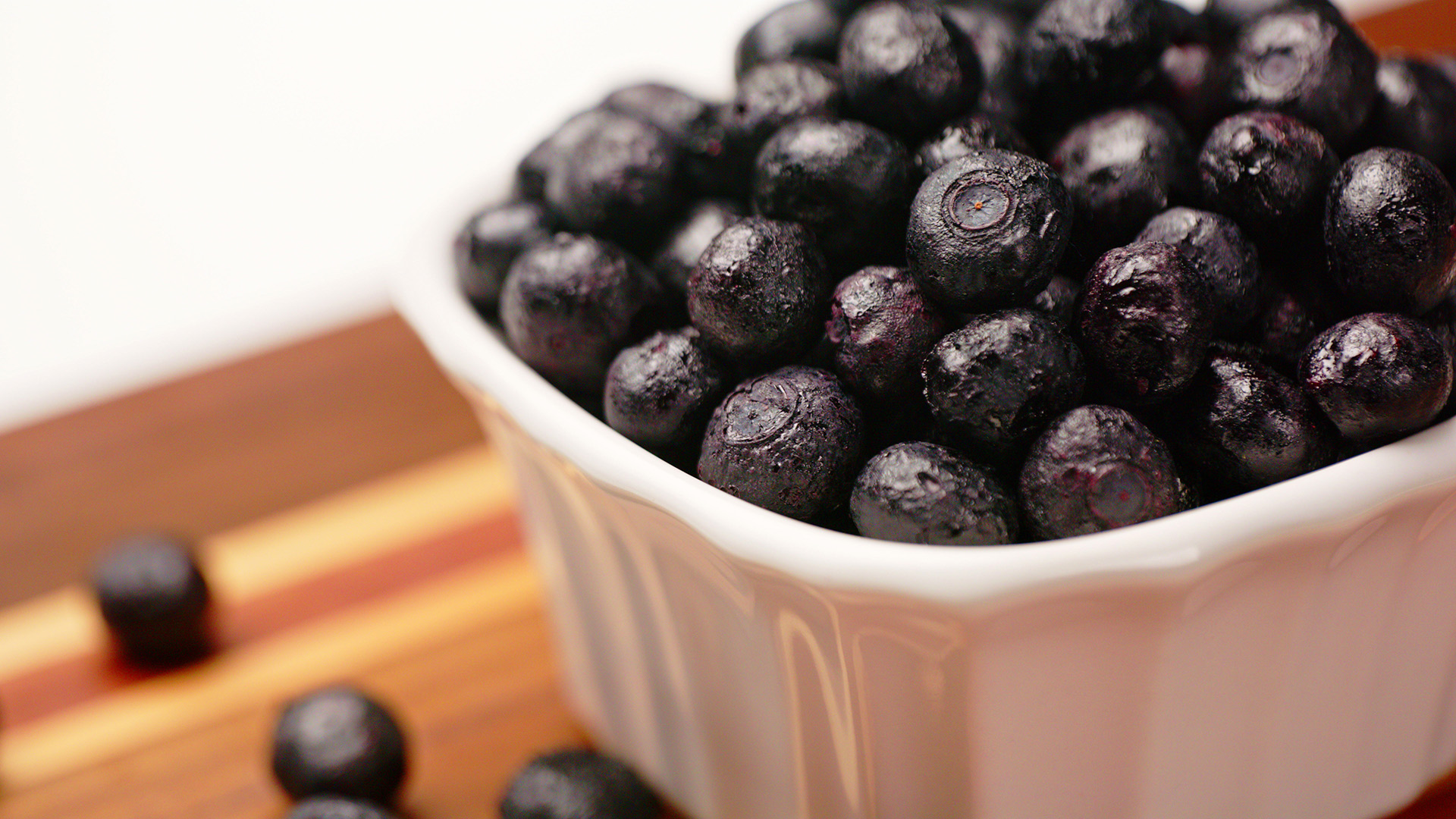
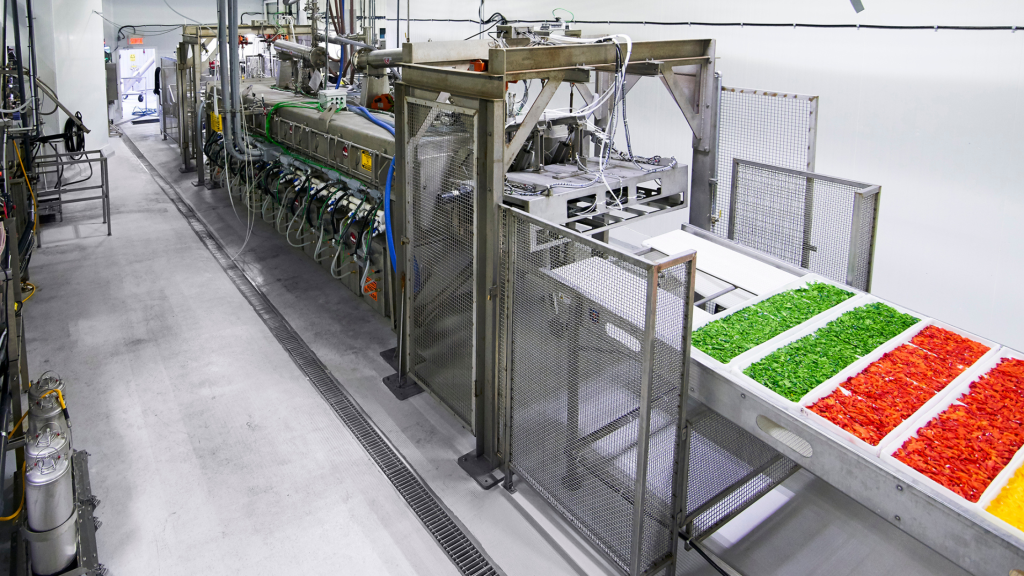
REV™ vacuum microwave dehydration is relevant here because it uses low-temperature, controlled drying to preserve natural flavor and color in ingredients. That can help brands use whole-fruit or plant-based powders to add sweetness and bulk naturally, instead of relying so heavily on refined sugar. In practical terms, better processing can reduce the burden on the formula.
Can Fruit Powders Help Reduce Sugar?
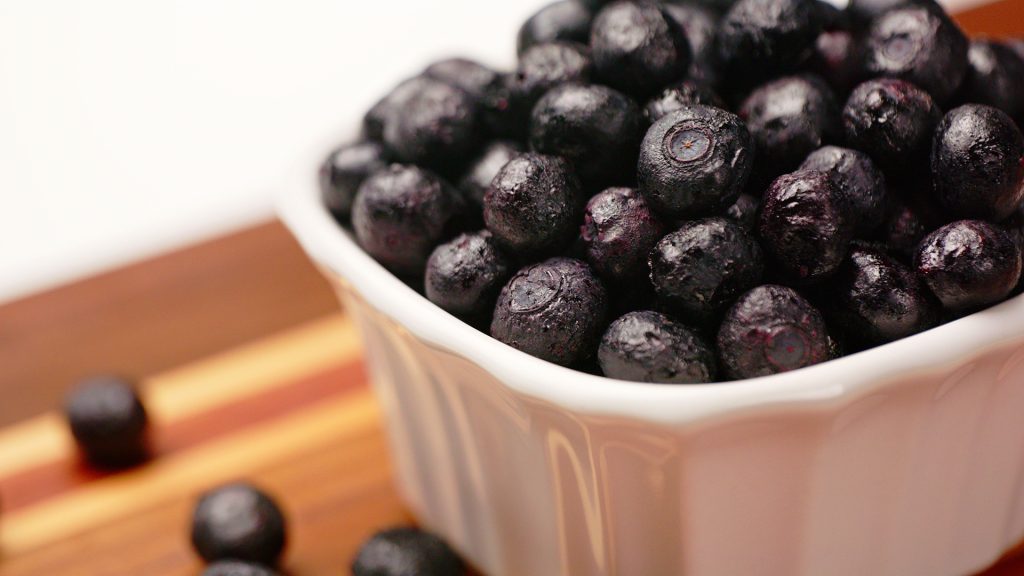
Yes. Whole-fruit and plant-based powders can add natural sweetness, aroma, color, and a sense of ingredient familiarity. They also bring some bulk, which can help replace part of what sugar used to do in the formula.
This is especially useful in sugar-reduced snacks and beverages. A dried fruit ingredient made through controlled dehydration can preserve more of the flavor character that makes the product taste fresh and rounded. That means brands may need less added sugar to achieve the same sensory effect.
For low-sugar functional foods, this can be a useful strategy because the ingredient is doing more than one job. It contributes sweetness, supports label appeal, and helps the product feel less engineered.
What Are the Main Clean-Label Sugar Reduction Challenges?
Clean-label sugar reduction is harder because many traditional solutions rely on ingredients consumers do not easily recognize. Bulking agents, flavor modulators, and sweetener systems can all help technically, but they can also make the label feel crowded. That can create hesitation for shoppers looking for simpler ingredient lists.
The challenge is to balance consumer perception of low-sugar products with the realities of performance. If the label is too complicated, shoppers may not trust it. If the formula is too simple, the product may not taste good enough to repurchase. Clean-label sugar reduction works best when the ingredient story is simple and the sensory result is strong.
How Does Reformulation Affect Shelf Life?
How reformulation affects shelf life depends on what replaces the sugar and how the product is processed. Sugar often helps with water binding and stability, so removing it can change microbial risk, moisture movement, and texture over time. That means shelf-life work cannot be an afterthought.
This is another reason processing matters. Gentle dehydration can help stabilize ingredients without causing unnecessary flavor loss or textural damage. If the dried ingredient already has strong sensory quality, the final product can often tolerate sugar reduction more successfully.
What Are Good Sugar Reduction Success Stories Built On?
The best sugar reduction success stories usually follow the same pattern. The product keeps its expected flavor, the texture still feels complete, and the label remains easy to understand. That is rarely achieved through one ingredient alone.
Successful products often combine:
- Ingredient replacement for sweetness and bulk.
- Processing changes that protect flavor and texture.
- Shelf-life validation under realistic conditions.
- Clear messaging that explains the benefit without overpromising.
That is why sugar reduction success stories often come from teams that think beyond substitution. They redesign the whole experience.
How Does Processing Support Low-Sugar Functional Foods?
Processing supports low-sugar functional foods by protecting the ingredients that carry flavor and function. If a fruit, plant, or dairy component is gently dried, the brand can use that ingredient more effectively in a reduced-sugar system. That can improve both taste and positioning.
This matters in food tech because consumers increasingly want snacks and beverages that are both healthier and better tasting. Sugar reduction does not work if the product feels like a compromise. Controlled dehydration gives brands more room to build products that still feel premium.
What Should Product Teams Do First?
Product teams should start by identifying what sugar is doing in the original formula. Is it sweetness, bulk, color, water binding, or all of the above. Once that is clear, the team can choose the right sugar replacement strategies and decide whether processing changes are also needed.
A practical workflow looks like this.
- Define the sugar reduction target.
- Identify the sensory jobs sugar performs.
- Test replacement ingredients in small batches.
- Evaluate processing changes that protect flavor and texture.
- Validate shelf life.
- Re-test consumer acceptance before launch.
This approach helps reduce risk and keeps the reformulation grounded in real product performance.
Conclusion
Sugar reduction in food works best when reformulation and processing are treated as one plan. Brands need sugar replacement ingredients, but they also need gentle processing that protects taste, color, and texture. That is why low-temperature dehydration and REV™ vacuum microwave drying can play a useful role in clean-label sugar reduction, especially when natural powders or dried fruit ingredients help rebuild flavor and bulk.
The companies that do this well will not just make sugar-reduced products. They will make products people actually want to buy again.
FAQ
What is sugar reduction in food?
It is the process of lowering sugar while keeping the product tasty, stable, and commercially viable.
What are the best sugar replacement ingredients?
It depends on the product, but common options include intense sweetener blends, fibres, fruit powders, and bulking agents.
How do you reduce sugar without losing taste?
You balance sweetness, texture, and flavor together instead of replacing sugar with one ingredient only.
Why does processing matter in sugar reduction?
Processing can protect or damage the flavor and texture that make low-sugar products work.
Can whole-fruit powders help with sugar reduction?
Yes. They can add natural sweetness, color, and bulk while improving label appeal.
How does reformulation affect shelf life?
Removing sugar can change water behavior, stability, and texture, so shelf-life testing is essential.
Further reading
FoodNavigator food trend predictions 2026
https://www.foodnavigator.com/Article/2025/12/11/food-trend-predictions-2026
Microwave Drying ScienceDirect
https://www.sciencedirect.com/topics/agricultural-and-biological-sciences/microwave-drying
Impact of Three Different Dehydration Methods on Nutritional Values
https://pmc.ncbi.nlm.nih.gov/articles/PMC7602416
Comparison of Traditional and Novel Drying Techniques
https://pmc.ncbi.nlm.nih.gov/articles/PMC7554907
EnWave how microwave assisted freeze drying solves the heat transfer problem