

From Global Food Trends to Local Innovation

Global food trends like protein, gut health, and indulgence only become local wins when processing makes them feasible. Brands that can translate global insights into regional products with the right technology gain a clear advantage in speed, quality, and scalability. Flexible drying technology helps adapt global trends to local supply chains and consumer preferences across meat, dairy, fruit, veg, and grains.

What are the key global food trends in 2026?
The key global food trends in 2026 center on powerhouse protein, gut health hub, and layers of delight. Innova Market Insights highlights these as the first three of its new Top Trends, with strong activity across snacks, beverages, dairy, and savory formats.
Protein remains a dominant theme as consumers seek muscle support, satiety, and functional benefits. Gut health continues to expand beyond probiotics into fiber, prebiotics, and multi-organ wellness. Indulgence is evolving into layered textures and multi-sensory experiences that feel premium and enjoyable.
How do these trends show up in different regions?
These trends show up differently depending on local ingredients, culture, and price sensitivity. In Latin America, meat and poultry remain central to food culture, with innovation focused on chicken for convenience, affordability, and versatility.
In Asia Pacific, foodservice trends often lead retail innovation, with menu concepts migrating to packaged goods over 12 to 24 months. This creates a pipeline where restaurant-driven flavors and formats can become shelf-stable snacks, beverages, and meal solutions.
Why does local ingredient availability matter?
Local ingredient availability matters because it shapes which trends can win where. A global trend like protein can manifest as poultry snacks in Latin America, dairy-based drinks in Europe, or plant proteins in APAC depending on supply and cost.
Brands that ignore local raw materials risk higher costs and weaker consumer fit. Those that align global insights with regional supply chains can move faster and create more relevant products. That is where food processing technology becomes a strategic enabler.
How does processing shape regional food innovation?
Processing shapes regional food innovation by determining what can be made stable, scalable, and appealing with local inputs. Drying technology, for example, can turn regional fruits, vegetables, meats, and dairy into shelf-stable ingredients and snacks.
This allows brands to capture local flavors and nutrients while meeting the demands of modern distribution. Without the right processing, many trend-driven concepts remain limited to fresh or short-shelf-life formats.
What role does flexible drying technology play?
Flexible drying technology plays a key role by supporting different raw materials across regions. Vacuum microwave systems can handle meat, dairy, fruit, vegetables, and grains with adjustable parameters for moisture, texture, and quality.
This flexibility helps brands adapt global trends to local conditions. A protein-focused snack in one market might use poultry, while another uses dairy or legumes, all processed with the same core technology.
How can brands translate global insights into local products?
Brands can translate global insights into local products by starting with the trend, then mapping it to regional ingredients and processing capabilities. For example, gut health can become a fiber-rich fruit snack in one market and a fermented dairy powder in another.
The steps often include:
- Identify the global trend and consumer benefit.
- Match it to locally available raw materials.
- Select processing that preserves quality and stability.
- Test formats that fit local consumption habits.
- Scale with technology that supports regional production.
This approach turns a broad trend into a concrete, locally relevant product.
Why is Latin America poultry innovation relevant?
Latin America poultry innovation is relevant because chicken remains a staple for its convenience, affordability, and versatility. More than one-quarter of consumers in the region have increased their chicken consumption in the last year.
Brands are leveraging this with convenient formats like nuggets, snacks, and ready-to-cook products that align with indulgence and protein trends. For processors, this creates demand for drying and texturizing methods that can turn poultry into stable, appealing ingredients and snacks.
How does APAC foodservice influence retail?
APAC foodservice influences retail by acting as a leading indicator for packaged food innovation. Trends often appear on menus 12 to 24 months before reaching shelves, especially in categories like flavors, formats, and functional benefits.
This pipeline allows brands to test concepts in restaurants before committing to retail launches. It also creates opportunities for drying technology to turn foodservice-inspired flavors into shelf-stable snacks, bases, and inclusions for broader distribution.
How does REV™ support regional product innovation?
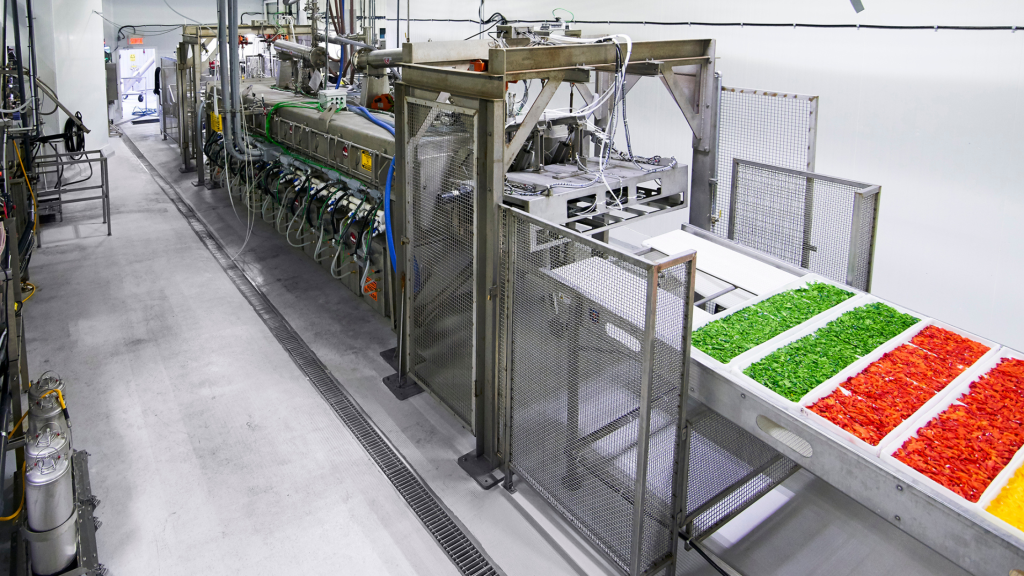
REV™ supports regional product innovation by offering a flexible vacuum microwave drying platform that can adapt to different raw materials and formats. The technology preserves nutrition, accelerating drying, and delivering clean-label, high-value ingredients.
For regional teams, this means:
- Local fruits and vegetables can become vibrant powders and snacks.
- Dairy and protein ingredients can retain flavor and functionality.
- Meat and poultry formats can achieve stable textures without over-processing.
- Grain and legume-based products can maintain nutritional quality.
This flexibility helps brands apply global trends in ways that fit local supply chains.
Why is scalable food processing important?
Scalable food processing is important because it allows brands to grow from pilot to production without changing the core technology. A system that works for small batches should also support larger volumes as demand increases.
This reduces risk and avoids the need to revalidate processes at every stage. For companies translating global trends into local products, scalability ensures that successful concepts can expand regionally or globally without losing quality.
What does this mean for food product innovation?
For food product innovation, this means global trends only become local wins when processing makes them feasible. A great concept can fail if the technology cannot deliver the right texture, stability, or cost structure.
Teams should evaluate drying and processing options based on how well they support regional ingredients and formats. The goal is to choose technology that turns trend insights into products that can actually be made and sold.
How can brands use this approach strategically?
Brands can use this approach strategically by treating processing as part of the innovation strategy, not just a back-end step. Start with the trend, align it to local inputs, and select technology that supports both quality and scale.
This creates a repeatable model for launching trend-driven products in multiple markets. It also positions the brand as a local innovator that understands regional preferences while leveraging global insights.
Conclusion
Global food trends like protein, gut health, and indulgence offer strong direction, but they only succeed locally when processing makes them real. Flexible drying technology helps brands adapt these trends to regional ingredients, supply chains, and consumer preferences.
For companies evaluating food technology solutions, the key takeaway is simple. Global trends only become local wins when processing makes them feasible.
FAQ
What are the top global food trends in 2026?
The top trends are powerhouse protein, gut health hub, and layers of delight, with strong activity across snacks, beverages, dairy, and savory formats.
How do these trends differ by region?
Trends differ by region based on local ingredients, culture, and price sensitivity, such as poultry innovation in Latin America and foodservice-led retail in APAC.
Why does local ingredient availability matter?
Local ingredient availability determines which trends can be produced cost-effectively and resonate with consumers in each market.
How does processing shape regional innovation?
Processing determines what can be made stable, scalable, and appealing with local inputs, turning trend concepts into real products.
What role does flexible drying technology play?
Flexible drying technology supports different raw materials and formats, helping brands adapt global trends to local conditions.
How does REV™ support regional product innovation?
REV™ offers a flexible vacuum microwave drying platform that preserves quality across fruits, vegetables, dairy, proteins, and grains for regional applications.
Further reading
Innova Market Insights Global Food Trends Report July 2026
https://www.innovamarketinsights.com/reports/global-food-trends-report-july-2026
Innova Market Insights High Fiber and Prebiotics Market Trends in Europe
Food Business MEA Latin America accounts for almost 30% of global chicken meat production
EnWave REV the next frontier in functional ingredient drying
EnWave How does EnWave’s REV technology work? Common questions explained