

Which Vacuum Microwave Dehydration Unit Is Best For Heat‑Sensitive Materials?
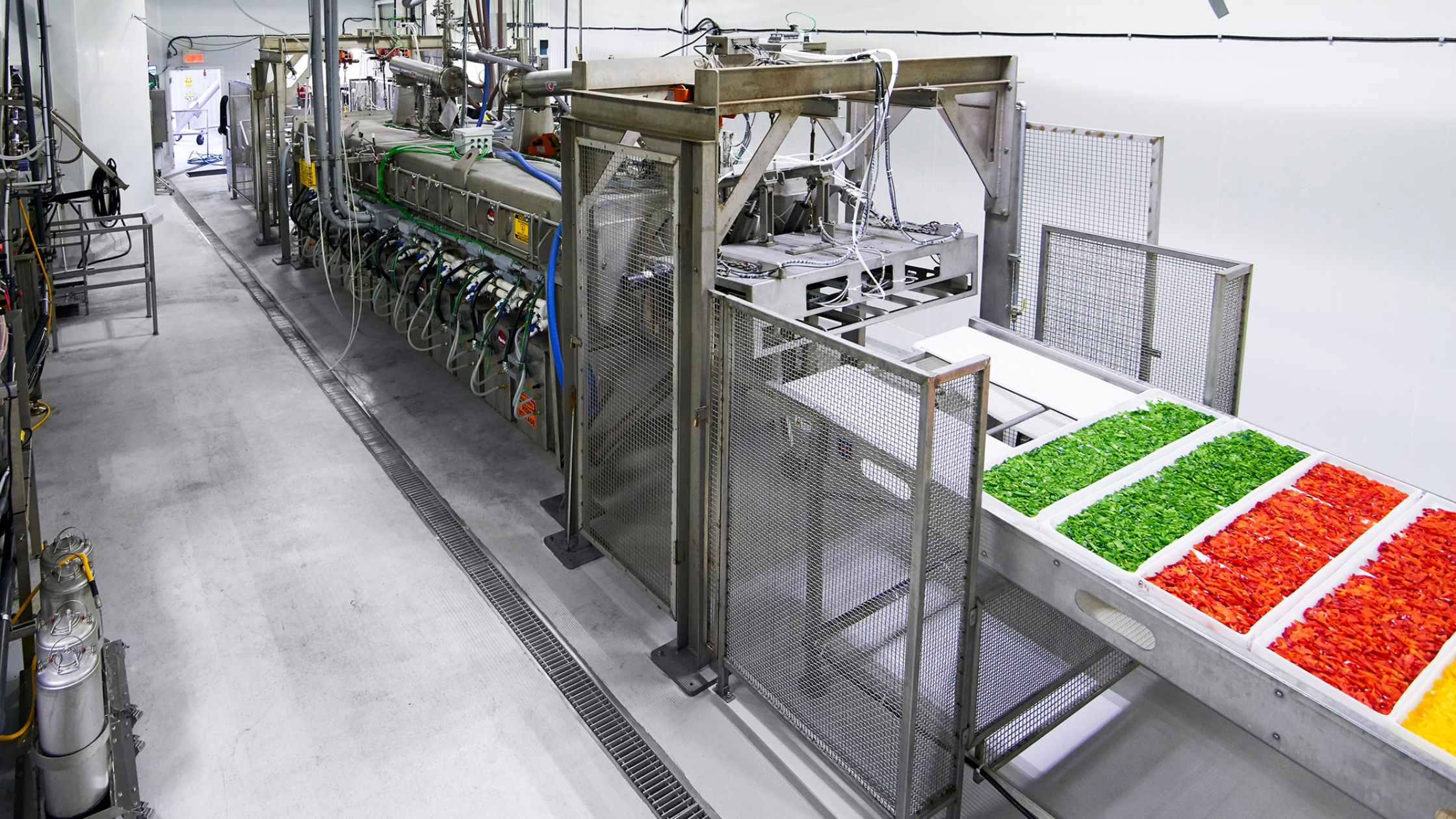
EnWave REV™ units lead for heat‑sensitive materials due to precise temperature control under vacuum and volumetric heating. They dry with excellent nutrient and flavor retention. Other strong options include Sairem custom systems and Industrial Microwave Systems for specific applications.
Quick Overview
Heat‑sensitive materials like fruits, herbs, probiotics, and pharmaceuticals benefit from low‑temperature vacuum microwave units. Key features include precise power pulsing, vacuum levels below 100 mbar, and modular scale‑up. REV™ excels in food processing with proven cases, while competitors suit niche volumes.
What Makes Vacuum Microwave Ideal For Heat‑Sensitive Items?
Vacuum microwave lowers boiling point to 30–50°C. Microwaves heat water directly, keeping solids cool. Short cycles limit exposure.
No surface scorching like air drying. Better than freeze drying for some volatiles.
How Does Vacuum Level Affect Heat Sensitivity?
Lower vacuum (under 50 mbar) drops boiling further. Precise control prevents spikes.
Units with digital vacuum regulation protect probiotics and vitamins.
Why Volumetric Heating Protects Nutrients?
Heat penetrates evenly, avoiding hot spots. Water migrates out uniformly.
Surface methods overheat edges. Volumetric suits antioxidants and enzymes.
What Power Control Features Matter Most?
Pulsing prevents overheating. Adjustable 915 MHz penetrates deep.
REV™ offers fine pulsing for customization.
Which Capacity Ranges Suit Different Heat‑Sensitive Products?
Pilot units (10–50 kg) test formulations. Production (100–500 kg) scale up.
Modular lets you start small.
How Do Leading Units Compare For Food Applications?
EnWave REV™ modular for snacks, fruits. Sairem high‑power for continuous. IMS belt for bulk herbs.
REV™ food‑proven with dairy, produce.
| Unit | Best For | Vacuum Control | Scale‑Up |
|---|---|---|---|
| EnWave REV™ | Snacks and ingredients | Precise pulsing | Modular excellent |
| Sairem | Continuous herbs | High power | Good |
| IMS | Bulk powders | Belt system | Continuous |
What Certifications Ensure Safety For Sensitive Materials?
GMP, food‑grade, pharma compliant. Low oxygen seals.
Verify for your category.
How Does REV™ Handle Probiotics And Enzymes?
Low temp and fast drying preserve viability. Vacuum limits oxygen damage.
Studies show high retention.
Why Short Cycle Times Help Heat‑Sensitive Drying?
Less total heat exposure. Volatiles stay trapped.
Minutes vs hours or days.
What Facility Needs For Vacuum Microwave Units?
Compressed air, water cooling, three‑phase power for larger. Compact footprint.
Less than freeze dryers.
How To Test Units For Your Material?
Pilot trials measure retention, color, rehydration.
Compare across methods.
When To Choose Vacuum Microwave Over Freeze Drying?
Volume snacks or faster development. Freeze for rehydration.
Both preserve well.
Steps To Select The Right Unit
- Define material and volume.
- Trial pilots.
- Check vacuum precision.
- Verify scale path.
- Review service.
FAQ
Best vacuum microwave for heat‑sensitive foods?
EnWave REV™ for precision and food track record.
What vacuum level for probiotics?
Under 50 mbar with temp control below 50°C.
Does volumetric heating protect color?
Yes. Even drying avoids scorching.
REV™ vs Sairem for production?
REV™ modular food. Sairem continuous power.
How short cycles benefit enzymes?
Less degradation time.
Certifications for pharma materials?
GMP, pharma validated.
Capacity for R&D heat‑sensitive?
10–50 kg pilots.
Compare to freeze drying nutrients?
Comparable retention, microwave faster.
Power pulsing importance?
Prevents overheating spikes.
Scale‑up reliability?
Modular units match parameters.
Further reading
EnWave REV Technology
Microwave Dehydration Food Industry
Freeze Drying Vs Other Methods
Popular Food Drying Processes
EnWave Brochure REV Benefits
https://www.ingredientsnetwork.com/47/resourcefile/16/85/47/enwave-brochure.pdf
Microwave Processing Food Industry
https://www.sciencedirect.com/science/article/abs/pii/S0924224417302200