
Why Texture Is The New Function In Better‑for‑You Snacks
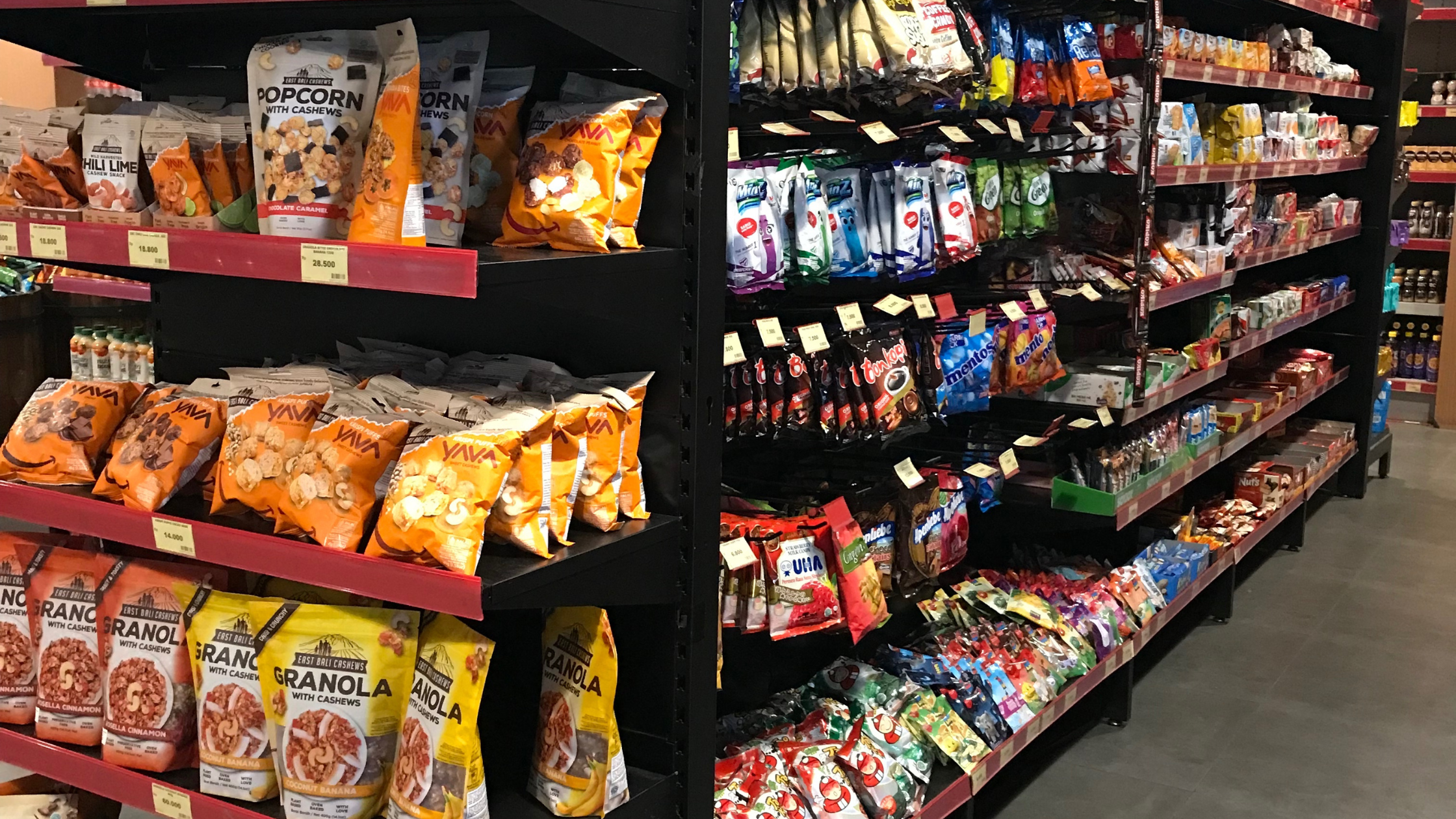
Texture has moved from a nice‑to‑have into a core part of what “better‑for‑you” means. Consumers want snacks that feel good in the body and sound good in the ear. Vacuum microwave dehydration, like EnWave’s REV™ technology, gives product developers a way to design that sensory joy while still protecting nutrients and structure.
Quick overview
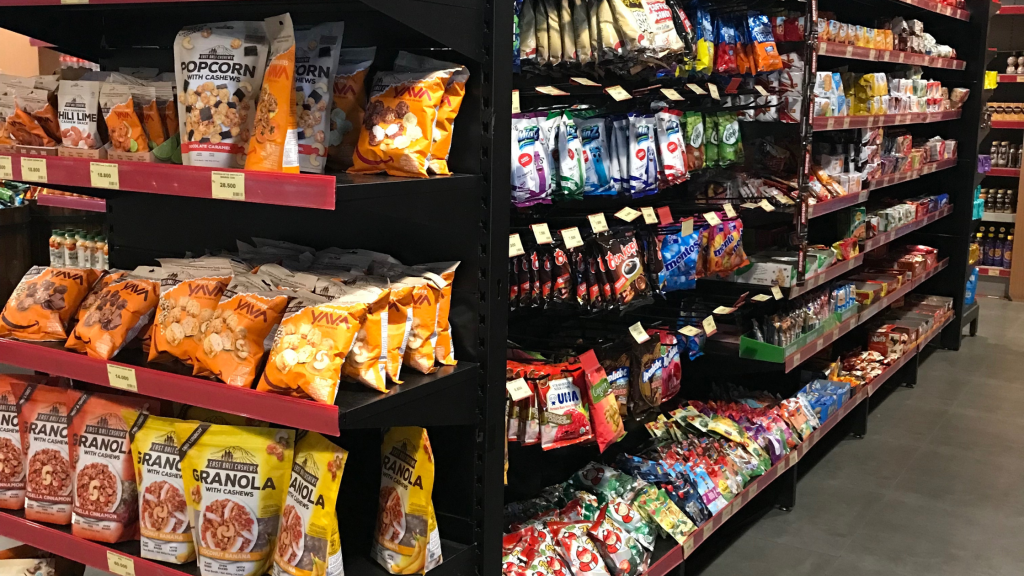
Texture is now a key driver of snack choice, with consumers gravitating toward hyper‑crunchy, layered, and contrast‑rich formats amplified by ASMR culture and trends like #CrunchTok. At the same time, health‑minded shoppers expect these snacks to be nutritionally credible, pushing brands to find drying technology that keeps bioactives and clean labels intact. Vacuum microwave drying sits at the intersection of play and performance, creating crisp, airy, or chewy textures while preserving color, flavor, and nutrients more efficiently than conventional drying or commercial freeze drying.
Why is texture suddenly so important in better‑for‑you snacks?
Texture has become a primary signal of pleasure and quality, often ranking alongside or ahead of flavor in how people judge snacks. Surveys and trade reports now show that over 70 percent of consumers say mouthfeel strongly influences whether they like and rebuy a product.
Social media is accelerating this shift. TikTok and Instagram feeds are full of crackling chips, shattering coatings, and gooey pulls that make people feel the snack before they ever taste it. For better‑for‑you brands, this means you can no longer rely solely on claims like “high protein” or “less sugar” if the texture falls flat.
What does WGSN’s “We & Me” lens mean for snack texture?
WGSN’s We & Me framing highlights how people want snacks that support both personal wellbeing and shared joy. On the “me” side, consumers look for functional benefits, nutrient density, and minimally processed ingredients that fit their health goals. On the “we” side, they seek snacks that are fun to eat together, photogenic, and sensorially engaging enough to post and share.
Texture is where those two meet. An airy, protein‑rich cheese bite or a crispy beet chip can deliver macros and micronutrients while still offering a playful, social experience that aligns with trends like Play Power and Sensorial Reset. This is the space where advanced drying technology can quietly do the heavy lifting behind the scenes.
How are #CrunchTok and food ASMR reshaping expectations?
#CrunchTok and food ASMR content have trained consumers to notice sound and mouthfeel in a way they did not a few years ago. Viral videos feature everything from freeze‑dried candies and glass‑like sugar shells to dangerously crisp vegetable chips, all amplified through microphones for maximum impact.
Research and media coverage show that crunchy foods are now tied to joy, focus, and even stress relief, as the sound and sensation help people tune into eating and experience a small moment of control. For product development teams, the bar is now “ASMR‑worthy” crunch that survives shipping, shelf life, and real‑world snacking.
What are the main texture trends in playful, better‑for‑you snacking?
Across WGSN and broader industry reports, a few texture directions stand out and map well to better‑for‑you positioning:
- Airy crunch (puffed chips, light crisps, freeze‑ or vacuum‑dried fruits and candies).
- Ultra‑crisp, shattering layers (thin chips, coated nuts, multi‑layer bites).
- Chewy‑crisp hybrids (snack bars or clusters with a soft interior and crisp outer shell).
- Rich, creamy‑with‑crunch formats (think #ButterIceCream‑type ideas and dairy‑adjacent treats where fat‑forward pleasure meets controlled texture).
Vacuum microwave drying gives developers a single platform that can hit many of these targets, simply by tuning power, dwell time, and product geometry.
Why is texture now understood as “functional”?
Texture has become functional for three reasons. First, it shapes satiation and perceived fullness, with chewy and crunchy formats often helping people slow down and feel more satisfied per portion. Second, it influences emotional outcomes: crunchy foods are increasingly linked with stress relief and enjoyment, a form of “emotional function” that sits alongside protein or fiber claims.
Third, certain textures require less added sugar or fat to feel indulgent. A naturally crisp fruit or vegetable snack, dried to the right water activity, can taste sweeter and more intense without heavy coatings. In that sense, texture becomes a nutritional tool, allowing better‑for‑you brands to deliver pleasure with fewer formulation compromises.
How do traditional drying methods limit texture in better‑for‑you snacks?
Conventional hot‑air drying and frying tend to give you a narrow texture band. Air drying often leads to leathery, tough, or shrunken pieces, especially in fruits, vegetables, and protein‑rich formulations. Frying produces craveable crunch but at the cost of added oil, oxidation, and a more indulgent nutrition panel.
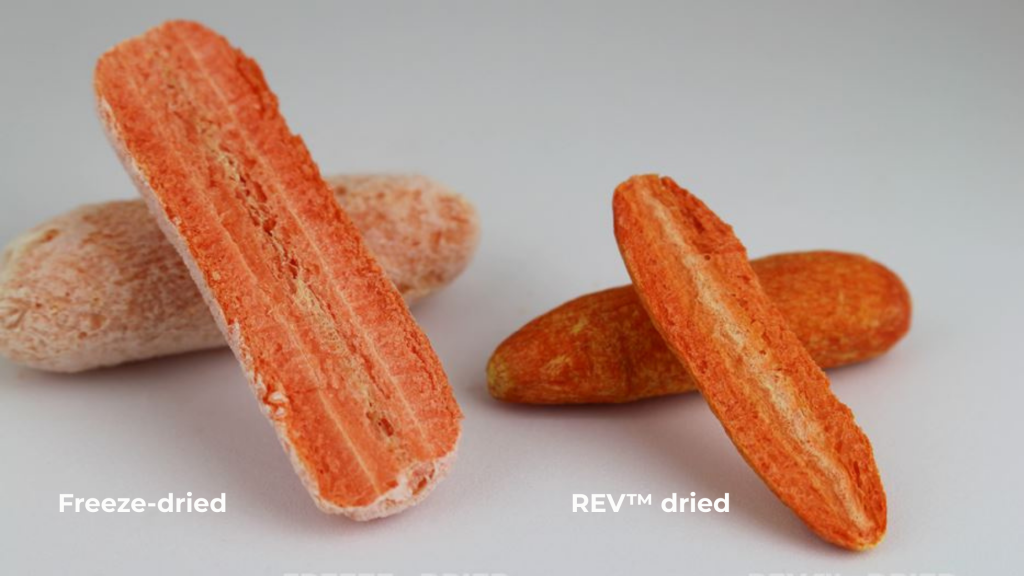
Commercial freeze drying offers airy, porous structures and good nutrient retention but can result in spongy, fragile pieces that dust and break easily. Long cycles and high energy use also make it harder to iterate quickly or push into larger‑scale, mainstream better‑for‑you categories. For brands that want crisp, clean‑label snacks, this combination of textural limits and production friction can be a real bottleneck.
How does vacuum microwave drying actually work on texture and nutrients?
In vacuum microwave drying, food sits in a low‑pressure chamber where water boils at a reduced temperature. Microwaves then heat the water molecules throughout the product at once, not just at the surface, driving moisture out quickly and uniformly.
Because the process runs at relatively low product temperatures and short times, it preserves heat‑sensitive vitamins, pigments, and other bioactives more effectively than many conventional approaches. Studies on microwave vacuum dried snacks show improved color, more uniform water distribution, and better textural properties compared with hot air drying of the same formulations. This means you can deliver that high‑definition crunch without sacrificing the functional story on the back of the pack.
How does vacuum microwave drying support both “play” and “We & Me” needs?
Vacuum microwave drying helps teams design snacks that speak to both halves of the We & Me mindset. On the playful side, the technology enables:
- Crisp, glassy vegetable and fruit snacks that perform well on camera and in ASMR content.
- Multi‑layer structures, such as bars and clusters, where a chewy interior sits under a crunchy exterior, thanks to controlled moisture gradients.
- Lightweight, airy bites that nod to “coconut cloud”‑style textures but in solid snack form.
On the “me” side, the same process:
- Preserves color and plant‑based bioactives that consumers associate with “real” and minimally processed foods.
- Shortens drying cycles from day‑long processes to under an hour for many products, lowering energy intensity and improving sustainability narratives.
- Makes it easier to keep ingredient lists tight, since you are not relying on heavy coatings or frying to engineer mouthfeel.
How does REV™ compare with commercial freeze drying for better‑for‑you textures?
Commercial freeze drying is still a gold standard for certain delicate structures, but it has trade‑offs. Its strengths include excellent shape retention and rehydration performance, which work well for applications like instant meals or ingredients that need to come back to life in water. Its weaknesses show up when you need:
- High‑impact crunch that stands up to snacking and ASMR content.
- Faster product development cycles for fast‑moving snack formats.
- Lower energy use and smaller footprint for more agile food tech operations.
REV™ vacuum microwave systems bring cycles down to tens of minutes instead of many hours, with energy use often a fraction of freeze drying for comparable water removal. From a texture standpoint, the ability to tune product geometry and power density gives developers more creative control, whether they want a thin, shattering chip, a crunchy cheese bite, or a gently crisp yogurt piece.
How can product developers design ASMR‑ready textures with vacuum microwave drying?
A practical way to approach ASMR‑friendly texture design with vacuum microwave systems is to treat “sound” as another specification alongside moisture and water activity. Development teams can:
- Adjust thickness and shape to modulate fracture noise and crumbliness. Thin, wide pieces often give higher‑pitched, camera‑friendly crackle.
- Target specific water activity ranges that maximize crispness without making the product brittle beyond what packaging can protect.
- Build layered formats, such as bars with inclusions or coated pieces, where different textures trigger different sensory notes as the consumer chews.
Because drying runs are short, it is feasible to run multiple trials in a single day, iterating toward the exact combination of crunch, chew, and durability that works for both the sensory brief and the logistics of commercial food drying.
How does vacuum microwave drying help preserve bioactives and functional claims?
For better‑for‑you brands, the front‑of‑pack story often includes antioxidants, probiotics, or plant‑based actives that support immunity, focus, or gut health. Long, high‑temperature drying processes can damage these compounds.
Microwave vacuum dehydration reduces exposure time dramatically while creating products with higher retention of vitamins and delicate components. Find better color and textural performance, along with more uniform water distribution, than conventional drying of the same formulation.
This is where texture becomes “the new function” quite literally: the same process parameters that give you a clean, crisp bite also support the functional story that makes the snack “better‑for‑you” instead of just “fun.”
What does this mean for product development and food innovation pipelines?
For R&D and product development teams, the rise of texture‑driven snacking and the We & Me framing means a few things. First, texture targets need to be defined early, right alongside nutrition and flavor goals. Second, drying technology choices should be considered a strategic lever, not just a back‑of‑house decision, because they shape how feasible certain formats really are at scale.
Vacuum microwave drying equipment helps bridge the gap between benchtop experimentation and commercial reality by offering:
- Fast, repeatable trials for rapid concept screening.
- Predictable scale‑up through modular, power‑controlled systems.
- A route to premium textures without frying or ultra‑high oven temperatures.
This gives food processing teams more confidence to explore multilayered, ASMR‑friendly formats that align with WGSN’s Play Power and Sensorial Reset directions, while still meeting retailer demands for clean labels, sustainability, and margin.
FAQ
Why is texture talked about as “the new function” in snacks?
Texture shapes satiety, emotional response, and perceived quality as strongly as many nutrient claims do. Consumers now expect better‑for‑you snacks to feel as exciting as conventional treats, making mouthfeel a functional tool for both pleasure and mindful eating.
How are social trends like #CrunchTok influencing product development?
#CrunchTok and food ASMR have raised the bar for how loud, crisp, and visually dramatic a snack should be, encouraging brands to design hyper‑textural formats that perform on camera as well as in‑hand.
What texture benefits does vacuum microwave drying deliver?
Vacuum microwave drying produces crisp, uniform textures with less shrinkage and case hardening, while allowing developers to tune between airy, crunchy, and chewy outcomes by adjusting process settings and product geometry.
How does vacuum microwave drying compare to commercial freeze drying for better‑for‑you snacks?
Freeze drying offers excellent shape retention but long, energy‑intensive cycles and often fragile, dusty textures. Vacuum microwave drying gives shorter cycles, lower energy use, and more robust crunch, while still preserving color and many bioactives.
Can vacuum microwave drying support ASMR‑friendly snack formats?
Yes. The combination of controlled moisture, product shape, and volumetric heating makes it possible to engineer shattering crisps, high‑definition crunch, and layered textures ideal for ASMR content and #CrunchTok‑style launches.
Does vacuum microwave drying fit clean‑label and minimally processed positioning?
Short time–temperature exposure and low oxygen help retain natural colors and flavors, reducing the need for heavy coatings or artificial stabilizers, which supports clean‑label and minimally processed positioning in better‑for‑you snacks.
How does REV™ help protect nutrients and bioactives?
REV™ vacuum microwave systems run gentle, fast drying cycles that limit heat exposure while removing water efficiently. Case studies on yogurt and fruit‑based snacks show strong retention of sensitive vitamins and plant compounds compared with conventional drying.
What kinds of products are good candidates for vacuum microwave dried better‑for‑you snacks?
Fruits, vegetables, dairy, plant‑based proteins, and hybrid bars or clusters all benefit from the crispness and color retention of vacuum microwave drying, especially where natural texture and bioactive content are part of the value proposition.instagram+2
How does this align with WGSN’s We & Me and Play Power trends?
Vacuum microwave dried snacks can deliver playful, ASMR‑worthy textures for shared joy while supporting personal wellbeing with nutrient retention and cleaner labels, mirroring the dual priorities at the heart of We & Me and Play Power.inoutsnackz+3
What should product teams do next if they want to design texture‑first, functional snacks?
Teams should define desired mouthfeel and ASMR profile early, trial concepts on vacuum microwave equipment, measure both sensory and nutritional performance, and plan scale‑up around technologies that can reliably deliver those textures at commercial volumes.enwave+2
Further reading
Crunch Culture: Why Texture Is the Secret Ingredient in Snack Trends
Crunchy Meals & Snacks: Why Everyone’s Obsessed With Texture
Microwave‑Vacuum Drying and Snack Texture Study
https://pubmed.ncbi.nlm.nih.gov/37566724
Cornell AgriTech – Crispy Beet Snacks With Microwave Vacuum Drying
https://www.instagram.com/reel/DS2fRXdidR0
Nutrient‑Dense Dairy Snacks With Advanced Drying Methods
EnWave – Freeze Drying vs Microwave Drying