

Why Freeze‑Dried Fish Snacks Struggle With Texture (And How REV™ Fixes It)
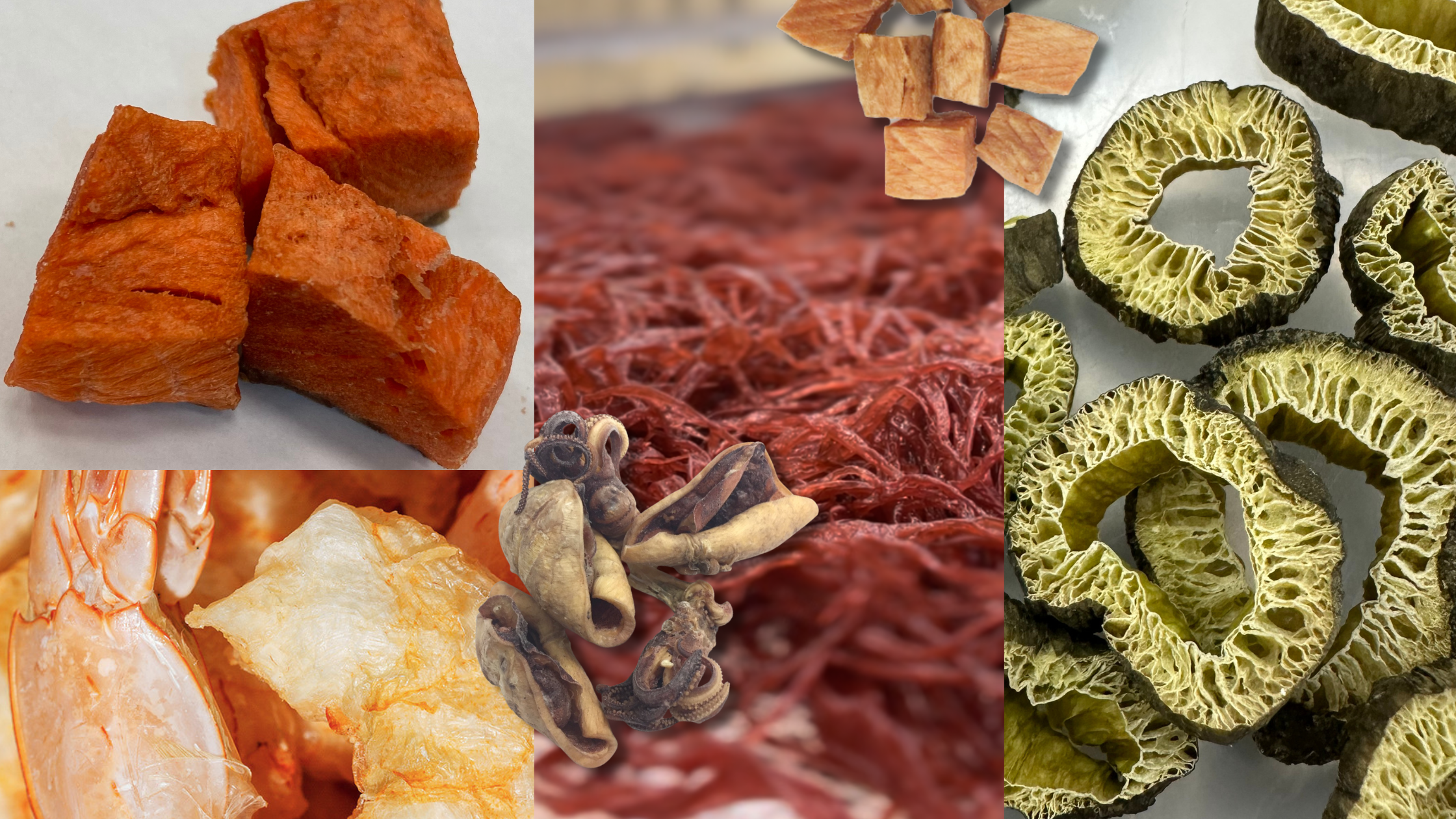
Freeze‑dried fish snacks look great on paper. Long shelf life, light weight, clean label. In practice, many brands run into the same complaints from consumers and pet owners: hard edges, rubbery chew, oxidized flavors, and dull color. REV™ vacuum microwave dehydration gives seafood processors another option to keep texture, taste, and nutrition closer to fresh while still hitting commercial food drying targets.
Quick Overview
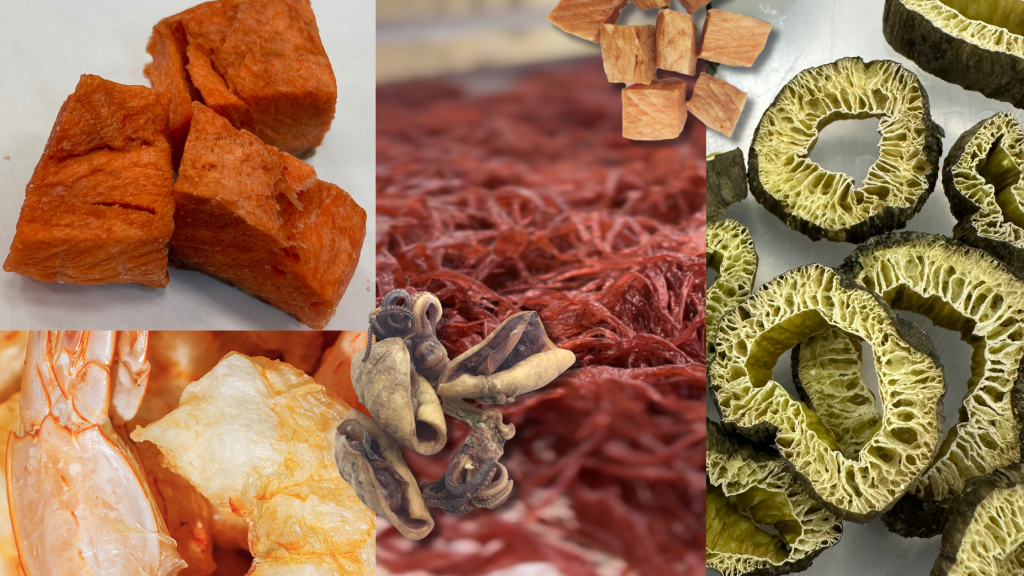
Freeze drying removes water gently but slowly. That slow, surface‑driven process makes texture especially hard to control in high‑protein, high‑fat seafood. REV™ uses vacuum plus microwave energy to dry fish, seaweed, shrimp, and squid in 30–90 minutes with uniform volumetric heating, lower temperatures, and less oxidation. The result is crisp skins, snackable cubes, better rehydration, and cleaner flavor for both human snacks and pet treats, with cycle times and energy use that work at scale.
Why Do Freeze‑Dried Fish Snacks So Often Feel Rubbery Or Chalky?
Freeze‑dried fish snacks struggle with texture because fish is dense, rich in protein and fat, and often processed in irregular shapes. Extended cycles in commercial freeze drying (often 24–48 hours) pull water out slowly from the surface inward, which makes uniform moisture removal hard to achieve in real production.
When sublimation lags in the center, the outside dries and stiffens first. That outer “shell” can become hard, glassy, or even fragile, while the core stays slightly rubbery or spongy. If you push cycle time to fully dry the center, you over‑dry the outer layers and lose the delicate bite that consumers want in seafood snacks and inclusions.
For many processors, this creates a no‑win trade‑off:
- Shorter cycles preserve some bite but risk higher residual moisture and shelf‑life issues.
- Longer cycles protect safety and stability but produce brittle, chalky, or rubbery textures that limit repeat purchase.
What Specific Texture Problems Show Up With Freeze‑Dried Salmon Snacks?
Salmon illustrates the problem clearly, especially when you look at three common formats: skins, cubes, and smoked portions.
Why Are Salmon Skins So Hard To Dry Well?
Salmon skins are dense, high in collagen, and naturally high in fat. In hot air drying, these properties lead to case hardening and oxidation. In freeze drying, long exposure times still create problems:
- The collagen‑rich structure can become tough or leathery when the surface dries long before the interior.
- High fat content is extremely sensitive to oxidation over long cycles, so you see yellowing, browning, and off‑flavors.
- The result is a snack that looks dry but eats tough and can develop rancid notes over its shelf life.
Processors often compensate by trimming differently, adding coatings, or accepting a texture that doesn’t quite match “fresh‑like.”
What Happens To Salmon Cubes In Freeze Drying?
Salmon cubes for snacks or pet treats are thicker pieces with significant internal structure and fat. In freeze drying:
- The outer layer dries and hardens first, forming a shell.
- The interior takes much longer to release moisture, which can leave the core rubbery or slightly gummy.
- If you extend time to fix the core, the outer shell can become brittle or chalky.
This mismatch between crust and center makes cubes less pleasant to bite and can lead to breakage and dust in packaging.
Why Is Smoked Salmon Especially Vulnerable?
Smoked salmon has already undergone salting, sometimes curing, and smoking. That pre‑processing changes:
- Moisture distribution
- Salt content
- Protein structure
Freeze drying such a product for 24–48 hours:
- Further dehydrates surface layers, risking tough or jerky‑like texture.
- Degrades smoke volatiles and color over time.
- Can push the product away from its original subtle chew and characteristic smoky aroma.
So you start with a premium smoked product and risk ending with something that looks and feels generic.
How Does REV™ Fix Texture And Color For Salmon Skins, Cubes, And Smoked Pieces?
REV™ vacuum microwave dehydration addresses these challenges through short cycles, low temperatures, and uniform volumetric heating.
What Cycle Times And Temperatures Work For Salmon?
In practice:
- Skins and cubes typically dry in about 60–90 minutes.
- Smoked salmon snacks often dry in 30–60 minutes.
These cycles run at low product temperatures under vacuum, which:
- Greatly reduce oxidation of fats.
- Preserve the natural red‑orange color.
- Limit protein denaturation and collagen damage that cause toughness.
Shorter exposure is the single biggest advantage here. Less time under stress means better texture.
How Does Volumetric Heating Improve Salmon Texture?
Microwave energy in a vacuum heats water molecules throughout the piece, not just at the surface. That volumetric heating:
- Pulls moisture out evenly from inside skins and cubes.
- Prevents hard outer shells and wet cores.
- Avoids the rubbery or leathery textures common with conventional air drying and over‑long freeze drying.
Salmon skins come out crisp with a clean bite rather than tough. Cubes retain structure but eat like a snack, not like a dense block. Smoked pieces keep a subtle chew, closer to fresh smoked salmon.
Why Are Freeze‑Dried Seaweed Snacks So Brittle Or Dull In Color?
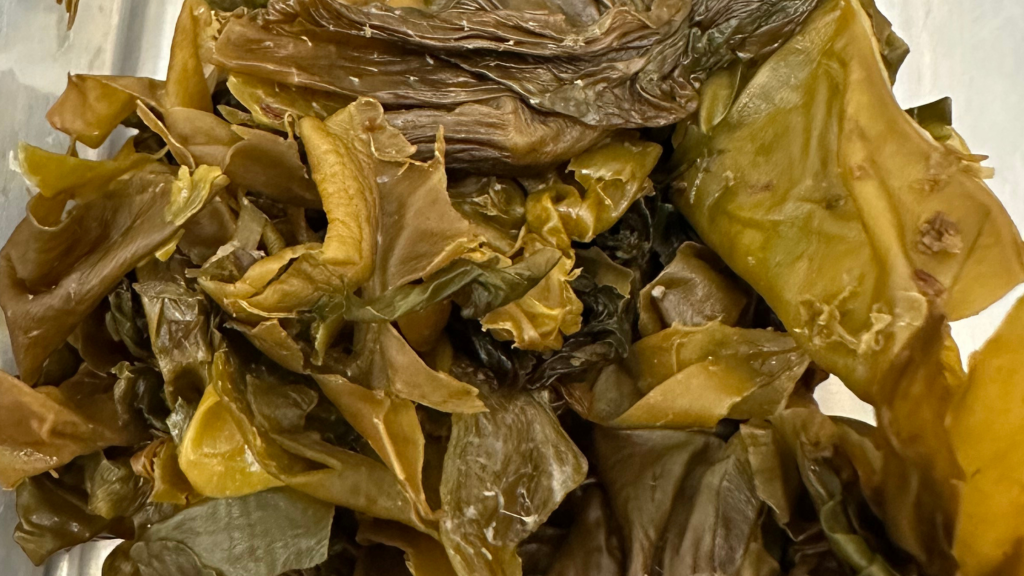
Seaweed such as sugar kelp, alaria, and red macroalgae starts with very high moisture and delicate tissues. That combination makes drying particularly challenging:
- Hot air drying often collapses cell structures at high temperatures.
- Sensitive pigments and bioactive compounds degrade with heat and oxygen.
- Freeze drying, while gentler, is slow and can still lead to color drift and structural fragility.
The result can be:
- Dull, brownish color instead of bright green or vivid red.
- Brittle sheets or flakes that shatter easily.
- Reduced levels of key bioactives that drove the formulation in the first place.
For functional food, nutraceutical, and snack applications, those issues erode both perceived and real product value.
How Does REV™ Improve Seaweed Texture, Color, And Bioactive Retention?
REV™ is well suited to seaweed because it combines low‑temperature operation with volumetric heating and very short cycles.
How Does Gentle, Low‑Temperature Drying Help Seaweed?
Under vacuum, water boils at much lower temperatures. Operating seaweed cycles at those low temperatures:
- Helps keep more of the natural green or red color intact.
- Preserves delicate flavors and marine notes.
- Protects heat‑sensitive vitamins and other nutrients.
Compared to high‑temperature air drying, the difference in visual and sensory quality is substantial.
How Does Volumetric Heating Protect Seaweed Structure?
Because REV™ heats water molecules throughout the seaweed mass:
- Moisture is removed more evenly.
- Structural collapse is reduced.
- Delicate tissues maintain their integrity instead of crumpling or becoming tough.
That shows up in both dry and rehydrated applications. Dry, the product has a crisper, more pleasant texture. Rehydrated in soups or salads, it returns to a more “fresh‑like” bite.
What Happens To Bioactive Compounds In REV™ Seaweed?
The combination of:
- Low pressure
- Low oxygen exposure
- Short drying times
all work together to reduce oxidation and thermal degradation of key bioactives. That supports:
- Higher retention of compounds used in nutraceutical and cosmetic ingredients.
- More reliable functional performance in food applications where seaweed provides specific health benefits.
This matters for formulators who want to highlight seaweed’s functional benefits and need a processing method that backs those claims.
How Do Cycle Times And Energy Use Compare For Seaweed?
REV™ seaweed drying cycles typically fall in the 60–90 minute range, far shorter than conventional air or freeze drying. That:
- Improves throughput.
- Reduces energy consumption per kilogram.
- Supports more sustainable processing for seaweed‑based products.
Why Do Dried Shrimp Snacks Lose Flavor Or Become Tough?
Shrimp is another seafood where traditional drying methods show clear limitations:
- Long hot air drying times can lead to tough, chewy texture and significant color change.
- Sun drying is weather‑dependent, slow, and inconsistent.
- Freeze drying is gentler, but still slow and energy‑intensive, and can create airy but fragile products.
Across these methods, common problems include:
- Loss of bright color and fresh shrimp aroma.
- Oxidation of fatty acids, leading to rancidity.
- Uneven moisture content, with some pieces over‑dry and others under‑dry.
- Higher risk of microbial issues in slower, less controlled processes.
These drawbacks push up costs and make it harder to deliver consistent quality to consumers and pet owners.
How Does REV™ Improve Shrimp Quality And Efficiency?
REV™ offers shrimp processors a way to dry more quickly while keeping quality high.
What Quality Benefits Does REV™ Bring For Shrimp?
With lower drying temperatures under vacuum:
- Color is better preserved.
- Texture stays closer to a clean, firm bite rather than hard chew.
- Nutrients remain more intact, especially heat‑sensitive ones.
Less exposure to air means less oxidation. That:
- Maintains the quality of fatty acids.
- Helps prevent rancid notes over shelf life.
How Do Processing Time And Uniformity Change?
Microwave energy accelerates drying dramatically, so:
- Total processing time is significantly reduced compared to sun or hot air drying.
- Moisture is removed more uniformly across pieces.
This uniformity:
- Reduces the risk of under‑dried centers.
- Lowers breakage and dust in packaging.
- Supports more predictable rehydration in prepared foods.
What About Energy Use And Safety?
Because microwaves directly heat water molecules:
- Less energy is wasted heating the surrounding air and equipment.
- Overall energy consumption per kilogram is lower.
The controlled vacuum environment:
- Reduces the risk of microbial growth during processing.
- Supports a safer, more consistent final product.
Why Do Dried Squid Snacks Turn Rubbery Or Lose Their Signature Flavor?
Squid is widely used in snack applications and as a savory inclusion, but drying it well is difficult:
- Hot air drying uses high temperatures and long dwell times that denature proteins.
- Case hardening can create a tough outer layer.
- Extended exposure leads to flavor loss and color changes.
- Commercial freeze drying, while gentler, still takes many hours and is costly.
The end result in traditional systems is often:
- Rubbery, tiring chew instead of a pleasant, resilient bite.
- Faded squid flavor masked by seasoning.
- Inconsistent texture from batch to batch.
Those realities make it harder to build a premium, repeatable squid snack platform.
How Does REV™ Help Squid Snacks Stay Close To Fresh?
Squid benefits from REV™ in the same way as other seafood, with the added advantage of tight texture control.
What Temperatures And Times Work For Squid?
Most of the REV™ cycle for squid rings runs at low temperatures. Typical drying times:
- Around 60–90 minutes.
Compared to hot air and freeze drying, that is much faster and gentler. Lower temperatures:
- Preserve natural squid color.
- Maintain characteristic squid flavor.
- Reduce protein damage that leads to rubbery texture.
How Does Volumetric Drying Improve Squid Texture?
Because moisture is removed more evenly throughout each ring:
- Case hardening is avoided.
- The whole piece dries to a consistent texture.
The sensory result is:
- A clean bite and appealing chew.
- A product that feels closer to fresh squid than to a dried commodity.
How Do Energy And Process Efficiency Compare?
Faster cycles and targeted energy input:
- Reduce overall energy use.
- Improve line efficiency.
- Support higher product quality at lower operating cost.
That combination is important for seafood processors looking to grow snack and ingredient lines without overextending capacity.
How Does REV™ Compare To Commercial Freeze Drying Across Seafood Types?
For salmon, seaweed, shrimp, and squid, the pattern is similar when you compare REV™ to freeze drying:
- Cycle times drop from many hours or days to roughly 30–90 minutes.
- Energy use per kilogram is significantly lower because microwaves heat water directly and under vacuum.
- Volumetric heating reduces the texture problems linked to surface‑driven drying.
- Lower oxygen exposure and shorter times reduce oxidation and preserve color and flavor.
For processors and product developers working on:
- Commercial freeze drying
- Food dehydration
- Product development and food innovation these differences translate into more reliable texture, better sensory performance, and more flexible commercial food drying operations.
FAQ
Why do freeze‑dried fish snacks feel rubbery or chalky?
Freeze‑dried fish snacks often feel rubbery or chalky because surface layers dry and stiffen long before the interior in slow, surface‑driven cycles. That mismatch creates hard outer shells with rubbery cores or, when over‑dried, brittle pieces that fracture easily.
How does REV™ improve texture in fish snacks?
REV™ improves texture by heating water molecules throughout the product under vacuum, which removes moisture evenly in 30–90 minutes at low temperatures. This volumetric drying avoids case hardening and keeps salmon skins crisp, cubes snackable, and squid rings pleasantly chewy.
Can REV™ help preserve color and flavor in seafood products?
Yes. Shorter drying times, low product temperatures, and low oxygen exposure help preserve natural seafood colors and flavors. That includes retaining the smoke profile in pre‑smoked salmon and keeping seaweed closer to its bright native hues.
Why is REV™ better for seaweed than hot air drying?
Hot air drying uses high temperatures and long exposure to oxygen, which can collapse delicate seaweed structures and degrade pigments and bioactives. REV™ runs at low temperatures under vacuum with even heating, so seaweed keeps more of its color, texture, and functional compounds.
Does REV™ improve nutrient retention in seafood?
REV™ supports better nutrient retention by limiting heat and oxygen exposure time. That helps preserve sensitive nutrients and bioactive compounds in seaweed and reduces oxidation of beneficial fatty acids in salmon and shrimp.
How long do REV™ cycles typically take for seafood?
Typical REV™ cycles for seafood run:
- About 60–90 minutes for salmon skins, cubes, squid, and seaweed.
- About 30–60 minutes for smoked salmon snacks, depending on format and target moisture.
Is REV™ more energy‑efficient than freeze drying?
REV™ is more energy‑efficient because microwaves heat water directly and under vacuum, rather than needing to cool and reheat large volumes of air and ice. That targeted heating reduces kWh per kilogram compared to conventional freeze drying.
Can REV™ be used for both human snacks and pet treats?
Yes. The same core technology can produce human‑grade seafood snacks and pet treats, with settings and formats adjusted to each market’s texture, safety, and regulatory needs.
How does REV™ help with product development for new seafood snacks?
REV™ speeds product development by enabling multiple daily trials with consistent, controllable drying profiles. Developers can tune texture, flavor concentration, and rehydration characteristics quickly, then scale those settings to larger units.
Where can I learn more about REV™ for seafood applications?
You can learn more about REV™ vacuum microwave dehydration and its use in seafood and other categories on EnWave’s website and technical resources.
Further Reading
EnWave: What is REV™ Vacuum Microwave Dehydration
EnWave: Microwave Dehydration Makes Niche Proteins Snack‑Ready
EnWave: Freeze Drying vs Microwave Drying