

10 Low-Temp Dehydration Methods for Crispy Snacks
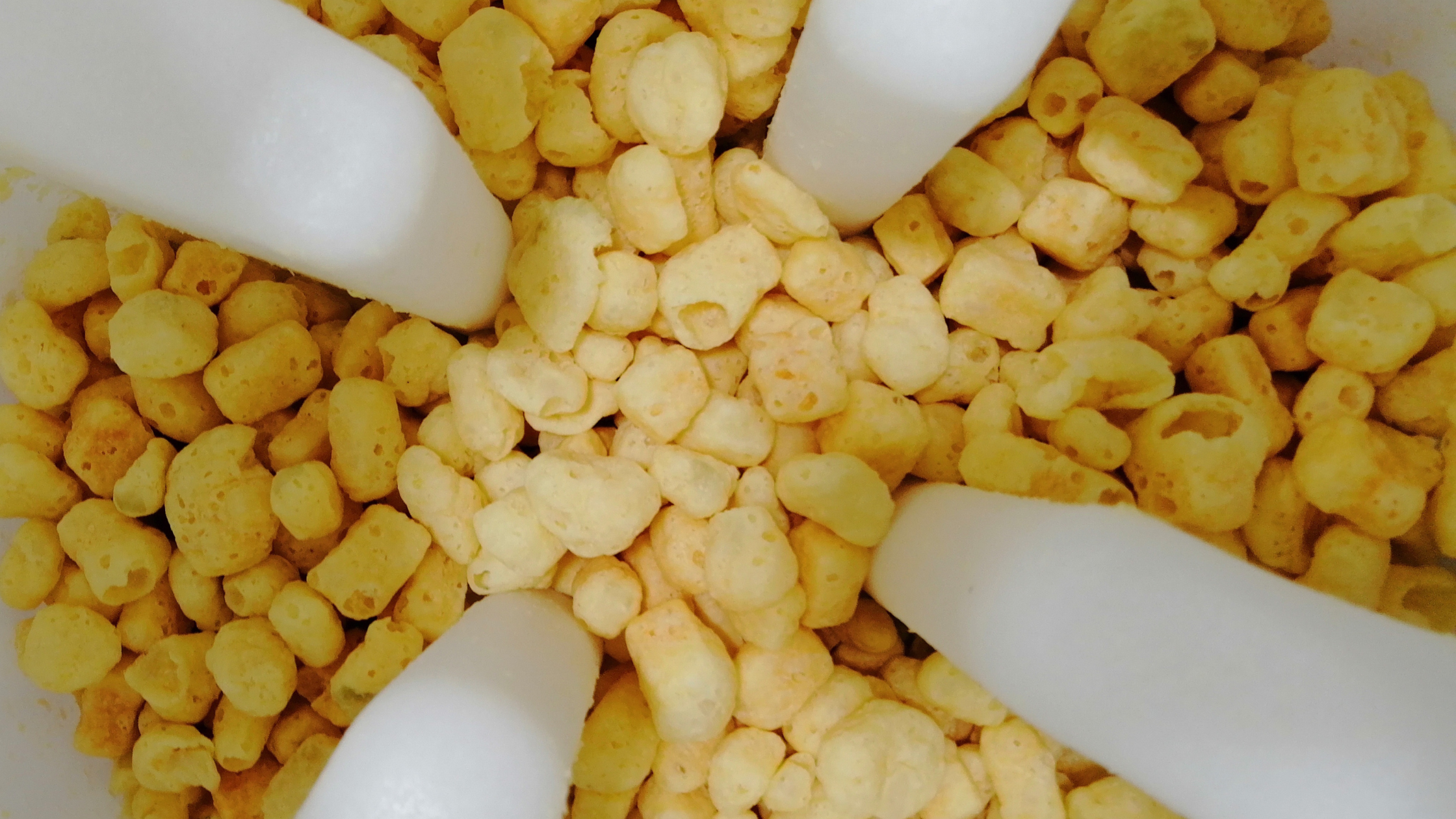
Low-temperature dehydration can help snack brands protect flavor, color, and nutrients while still creating a crisp texture and shelf-stable product. The best method depends on the ingredient, target texture, throughput needs, and how much control you need over final moisture. For teams comparing food dehydration equipment, REV™ vacuum microwave drying is especially relevant when you need fast cycles, strong quality retention, and a practical path from product development to production.
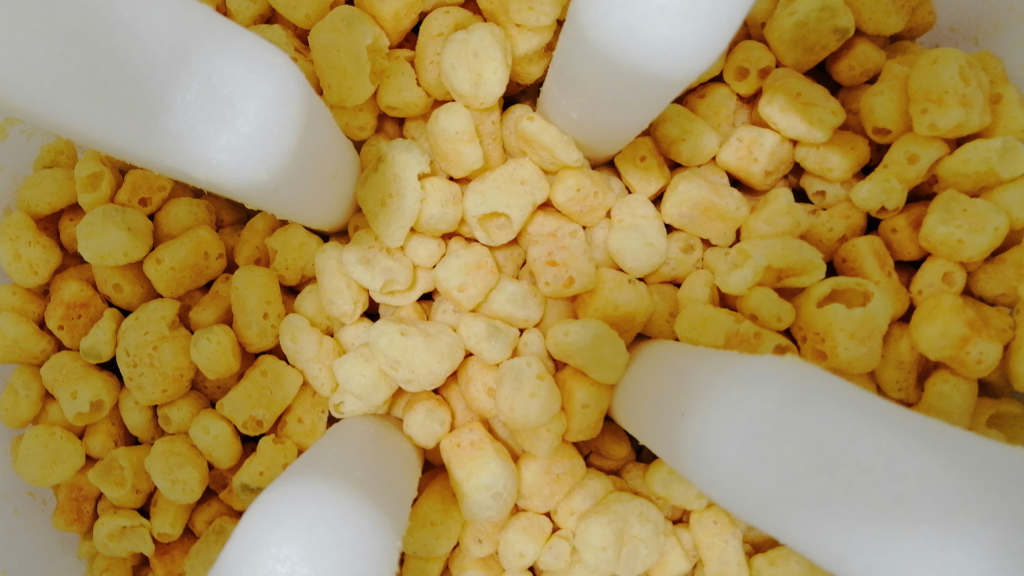
Why Low-Temp Drying Matters for Crispy Snacks
Low-temperature dehydration technology gives manufacturers a better chance to preserve structure, nutrients, and taste while building crispness. That matters because snack quality is often decided by what happens during drying, not after packaging. A process that is too hot or too slow can damage color, drive off aromas, or leave a product with uneven texture.
For food and snack processing teams, the challenge is usually balance. You want shelf-stable snack processing that still delivers crisp bite, appealing appearance, and predictable moisture. That is why dehydration methods comparison work should include more than speed alone.
1. Hot Air Drying with Tight Temperature Control
Hot air drying remains one of the most familiar food processing methods. When temperature and airflow are carefully managed, it can produce shelf-stable snacks with acceptable texture and relatively simple equipment needs. It is often the first method teams evaluate because it is widely available and easy to understand.
The tradeoff is that quality can vary if the process runs too long or too warm. Nutrient retention drying is usually weaker than in gentler technologies, and surface drying can happen before the interior is ready. For crispy snacks, hot air drying can work, but it is rarely the fastest route to premium texture preservation.
2. Low-Temperature Desiccant Drying
Desiccant drying uses moisture-absorbing materials to remove water at lower temperatures. This can help preserve color and texture better than conventional high-heat drying. It is especially useful when the goal is gentle dehydration rather than aggressive throughput.
This method is attractive for certain fruits and vegetable snacks. It can support crisp snack texture preservation while reducing heat damage, although cycle times may still be slower than more advanced systems. It is a good option when quality matters more than maximum production speed.
3. Vacuum Drying
Vacuum drying lowers the pressure around the product so water evaporates at lower temperatures. That makes it useful for heat-sensitive ingredients and snacks where color and aroma matter. It is a stronger choice than standard hot air when you need gentler food dehydration.
The downside is that vacuum drying can be slower and may require careful process design to avoid uneven drying. It is a useful middle ground in food dehydration equipment comparison, especially when teams want lower temperature exposure without moving directly to freeze drying. For some snack lines, it offers a practical balance between quality and control.
4. Vacuum Microwave Drying
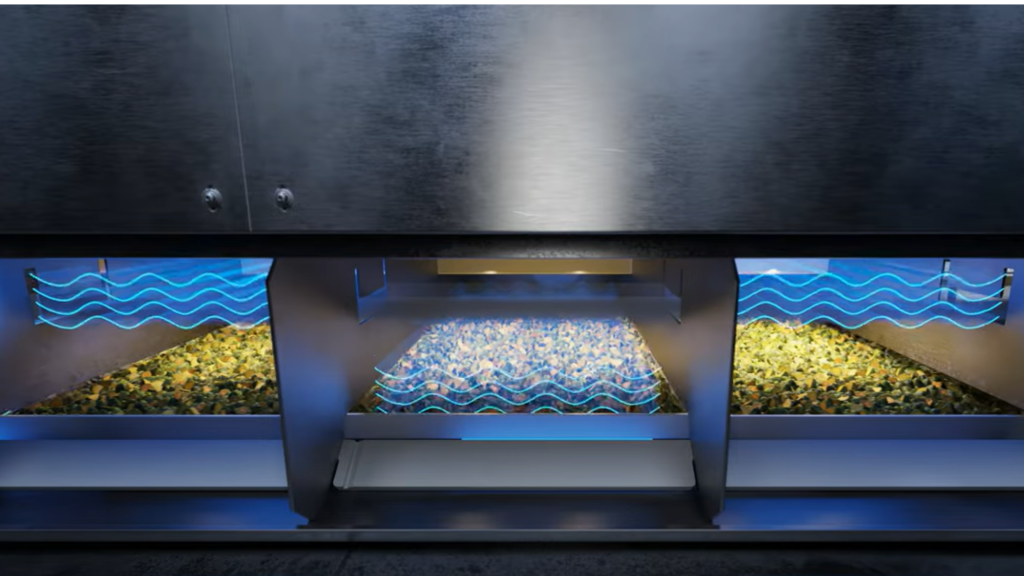
Vacuum microwave drying is one of the most compelling options for modern snack development. Microwave energy heats product volumetrically, while vacuum lowers the boiling point of water, helping products dry faster and more evenly at lower temperatures. That combination makes it highly relevant for crisp snack texture preservation.
REV™ fits this category well. EnWave positions REV™ as a vacuum microwave process that controls pressure and microwave power density to manage temperature and final moisture. For teams building shelf-stable snacks, that kind of control can support better nutrient retention drying and faster iteration during product development.
5. Freeze Drying for High-Value Snacks
Commercial freeze drying is often the benchmark for premium quality retention. It removes moisture by freezing the product and then sublimating the ice under vacuum, which helps preserve shape and sensitive compounds. That is why it is commonly used for products where visual appearance or delicate structure is part of the value.
The main limitation is cycle time. Freeze drying can take much longer than other methods, which can slow food innovation and reduce throughput. It is a strong method, but not always the most efficient one when manufacturers need faster commercial food drying.
6. Hybrid Microwave and Air Drying
Hybrid drying combines microwave energy with hot air or other heat sources. This can improve drying speed and reduce the time the product spends under heat. It is often used when teams want better energy-efficient drying without abandoning conventional systems completely.
For crispy snacks, the benefit is improved texture formation with less time in the dryer. The limitation is that process design becomes more complex, and quality can vary if the balance between methods is not tuned well. Hybrid drying is best viewed as a bridge technology for some applications, not a universal replacement.
7. Infrared Assisted Drying
Infrared assisted drying uses radiant heat to transfer energy directly to the product surface. In some snack applications, it can accelerate moisture removal and support crisping. It may be useful as part of a combined drying strategy rather than as a standalone solution.
The challenge is that surface heating can create uneven results if the product geometry is not well matched to the process. That makes it less flexible than systems with deeper process control. For teams focused on product innovation, infrared can be useful, but it is not usually the first choice for sensitive ingredients.
8. Microwave Assisted Hot Air Drying
Microwave assisted hot air drying is another hybrid format that uses microwaves to speed the internal heating of the product while hot air removes moisture. It can shorten overall processing time and improve final texture. That makes it relevant for operations looking at drying technology upgrades.
The strength of this method is efficiency. The weakness is that quality depends heavily on process calibration and product load. For snack brands, it can be a good option when microwave drying equipment is being considered but a full vacuum system is not yet in place.
9. Fluidized Bed Drying
Fluidized bed drying keeps particles suspended in airflow so they dry more evenly. It is often useful for granules, coated pieces, or small snack fragments that need more uniform moisture removal. In a shelf-stable snack processing workflow, it can work well as a finishing step.
This method is less suited to dense, irregular, or highly delicate pieces unless the formulation is built for it. It is a strong tool for finishing and conditioning, but not always the best standalone method for the whole process. For encapsulated or coated snack pieces, it can complement other dryers rather than replace them.
10. Freeze Drying Followed by Controlled Conditioning
Some brands use freeze drying first and then add a controlled conditioning step to refine texture or stabilize moisture. This can help when the product needs a very specific bite or moisture profile. It is more of a process strategy than a single machine type.
The value is high quality. The challenge is cost and complexity. For teams weighing commercial freeze drying against alternative drying technology, this approach can deliver excellent results but may not fit all throughput needs.
How Should Teams Choose the Right Drying Method?
The best method depends on what matters most to your product. If speed and quality control are both priorities, vacuum microwave is often a strong candidate. If maximum preservation is the goal and throughput is less urgent, commercial freeze drying may still be the benchmark.
A simple decision framework helps.
- Choose hot air or desiccant drying when cost and simplicity matter most.
- Choose vacuum or hybrid methods when you need gentler dehydration and better texture control.
- Choose REV™ vacuum microwave when you want a strong mix of speed, nutrient retention, and commercial scalability.
- Choose freeze drying when premium preservation matters more than cycle time.
Why REV™ Fits Crisp Snack Innovation
REV™ is a strong fit when teams need a dehydration system that can support crisp snack texture preservation without long cycle times. EnWave describes REV™ as a rapid, gentle process that can help manufacturers create innovative products while improving quality and efficiency. That makes it useful for snacks, ingredients, and other food innovation projects where speed matters.
It also supports product development because shorter cycles allow more iterations. That means fewer delays between concept testing and commercial food drying. For food tech teams, that can make the difference between catching a market window and missing it.
Conclusion
Low-temperature dehydration technology gives snack manufacturers more control over nutrient retention, texture, and shelf stability. The right method depends on the product, but the most effective systems are the ones that combine quality preservation with practical throughput. For many teams, REV™ vacuum microwave drying deserves a serious look because it offers a compelling balance of speed, consistency, and crisp snack performance.
FAQ
What is the best low-temperature dehydration method for crispy snacks?
There is no single best method for every product, but vacuum microwave drying and freeze drying are often the strongest choices when quality matters most.
Is freeze drying always better than other drying methods?
Not always. Freeze drying preserves well, but it usually takes longer and may limit throughput.
Why is microwave drying equipment useful for snack processing?
It heats product volumetrically, which can shorten drying time and improve texture control.
What is shelf-stable snack processing?
It is the process of reducing moisture enough to help snacks store safely and retain quality over time.
Which method is most energy-efficient?
That depends on the product and process, but microwave-based and hybrid methods are often considered strong energy-efficient drying options.
Further reading
EnWave How is microwave dehydration changing the food industry
EnWave Think Beyond Conventional Drying
EnWave What is REV
ScienceDirect Microwave Drying
https://www.sciencedirect.com/topics/agricultural-and-biological-sciences/microwave-drying
ScienceDirect Food Dehydration
https://www.sciencedirect.com/topics/food-science/food-dehydration
ScienceDirect Low-temperature desiccant-based food drying system
https://www.sciencedirect.com/science/article/abs/pii/S0260877405002098
IntechOpen Role of Food Microwave Drying in Hybrid Drying Technology
https://www.intechopen.com/chapters/85179
Food Machinery Int Microwave dehydrator guide
https://www.foodmachineryint.com/everything-you-need-to-know-about-microwave-dehydrator-in-2024