

How to choose a Freeze Dryer substitute that works for your product
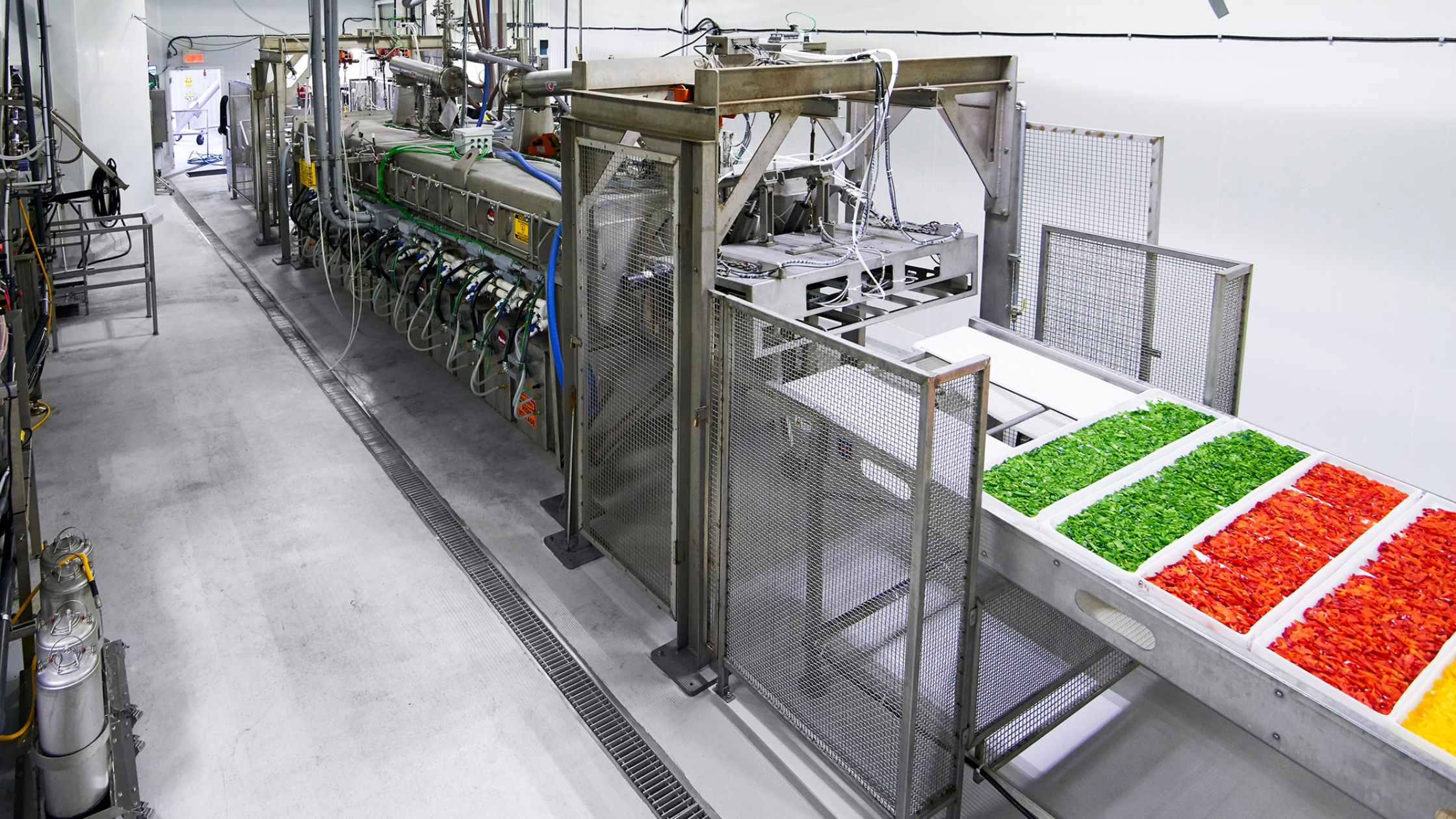
Tired of waiting days to dry your food? Traditional freeze drying delivers excellent product quality but can be costly, slow, and energy-intensive. Enwave’s vacuum microwave dehydration technology offers a modern alternative that preserves the benefits of freeze drying: nutrient retention, texture, and flavor while dramatically reducing drying time and cost. This blog helps you understand factors like product type, quality, and volume to choose the right drying method, spotlighting how microwave dehydration fits multiple needs.
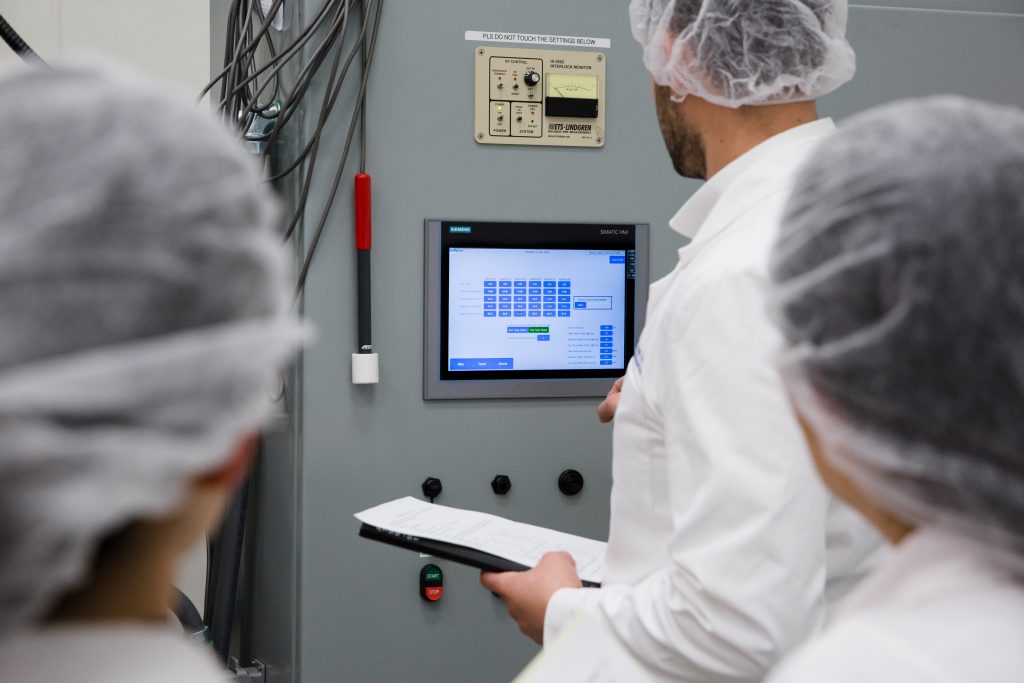
Why Is Freeze Drying So Widely Used and What Are Its Limitations?
Freeze drying removes water by sublimation from frozen products, preserving structure and nutrients exceptionally well. However, it typically requires multiple steps over 10 to 52 hours with precise temperature and pressure control, resulting in:
- Long processing times that delay production
- High equipment and energy costs
- Bottlenecks in scaling or innovating product lines
While ideal for heat-sensitive products, freeze drying’s speed and cost constraints can limit market responsiveness and throughput.
How Does Microwave Dehydration Serve as a Freeze Dryer Substitute?
Enwave’s patented vacuum microwave dehydration (REV™) uses microwaves and vacuum pressure to rapidly and uniformly dry products in minutes to hours. This technology retains many freeze drying benefits, including:
- High nutrient retention with minimal heat damage
- Superior texture and vibrant color preservation
- Energy-efficient and scalable operation
- Ability to achieve a wide range of moisture levels tailored to the product
Microwave drying is analogous to rapid sous vide cooking, delivering gourmet quality with far greater efficiency compared to slow-cooking freeze drying.
What Factors Should You Consider When Choosing a Drying Method?
To select the best freeze dryer substitute, consider:
- Product type and sensitivity: delicate fruits benefit from gentle drying; meats need uniform moisture removal
- Desired product quality: including texture, color, flavor, and nutrient retention
- Production volume: capacity to scale from prototypes to commercial batches
- Budget constraints: evaluating capital, energy, and operational costs
- Time to market: dryer throughput affects innovation cycles
- Regulatory and clean label goals: impact of additives or processing on claims
Microwave dehydration often fits a middle ground by balancing quality, cost, and speed.
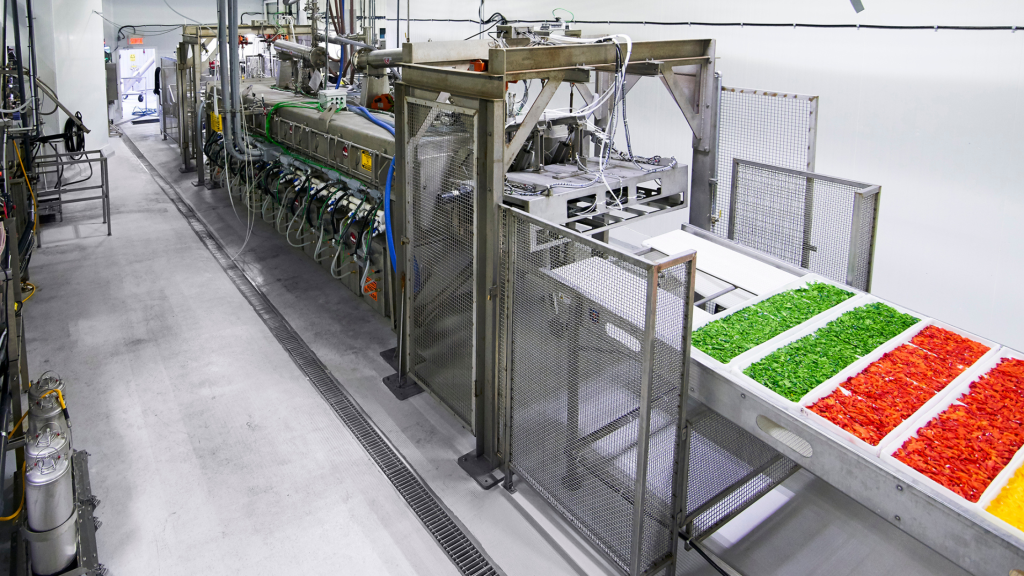
How Does Microwave Drying Compare to Freeze Drying?
| Feature | Freeze Drying | Vacuum Microwave Drying (Enwave) |
|---|---|---|
| Drying Time | 16 – 48 hours | 28 times faster |
| Retención de nutrientes | ~97% | Comparable to freeze drying |
| Energy Use | Alta | Low; faster, targeted energy absorption |
| Textura | Light, airy, porous | Crisp, chewy, customizable textures |
| Color Preservation | Sometimes bleached appearance | Vibrant, fresh appearance |
| Equipment Cost | Alta | Moderate; scalable |
| Scalability | Effective but costly | Flexible from pilot to industrial scale |
How Does Microwave Dehydration Support Product Innovation?
Microwave drying enables accelerated product development with faster drying times, consistent quality, and clean-label suitability. It supports varied textures and moisture levels preferred in modern food trends. Brands can innovate new formats, flavors, and functional snacks efficiently while controlling costs and resource use.
FAQs About Freeze Dryer Substitutes
- How fast can microwave dehydration dry products compared to freeze drying? Microwave dehydration typically completes in minutes to hours versus days with freeze drying.
- Are nutrients preserved as well in microwave drying? Yes, vacuum microwave drying retains nutrients at levels comparable to freeze drying.
- Is Enwave’s technology energy efficient? Yes, it consumes substantially less energy due to rapid, volumetric heating and shorter cycles.
- Can this technology handle sensitive or complex products? Yes, it is adaptable to a wide range of food types including fruits, vegetables, meats, and specialty items.
- What about the initial investment cost? Enwave’s microwave dehydration systems generally require lower capital compared to freeze dryers.
Choosing a freeze dryer substitute depends on your product, quality expectations, production scale, and budget. Enwave’s vacuum microwave dehydration represents a smart alternative, maintaining premium quality with accelerated speed and efficiency. It is transforming food processing and product innovation with substantial advantages over traditional freeze drying. Manufacturers and innovators ready to advance, contact us today to explore Enwave’s REV™ technology to redefine drying success.
Further Reading
Comparison of Microwave Freeze Drying and Microwave Vacuum Drying – Oxford Acad.
https://academic.oup.com/ijfst/article/46/3/570/7866449
Freeze Drying vs Microwave Drying – Enwave
Evaluation of Microwave Vacuum Drying As Alternative – PMC