

Why Traditional Techniques Are Winning Modern Consumers
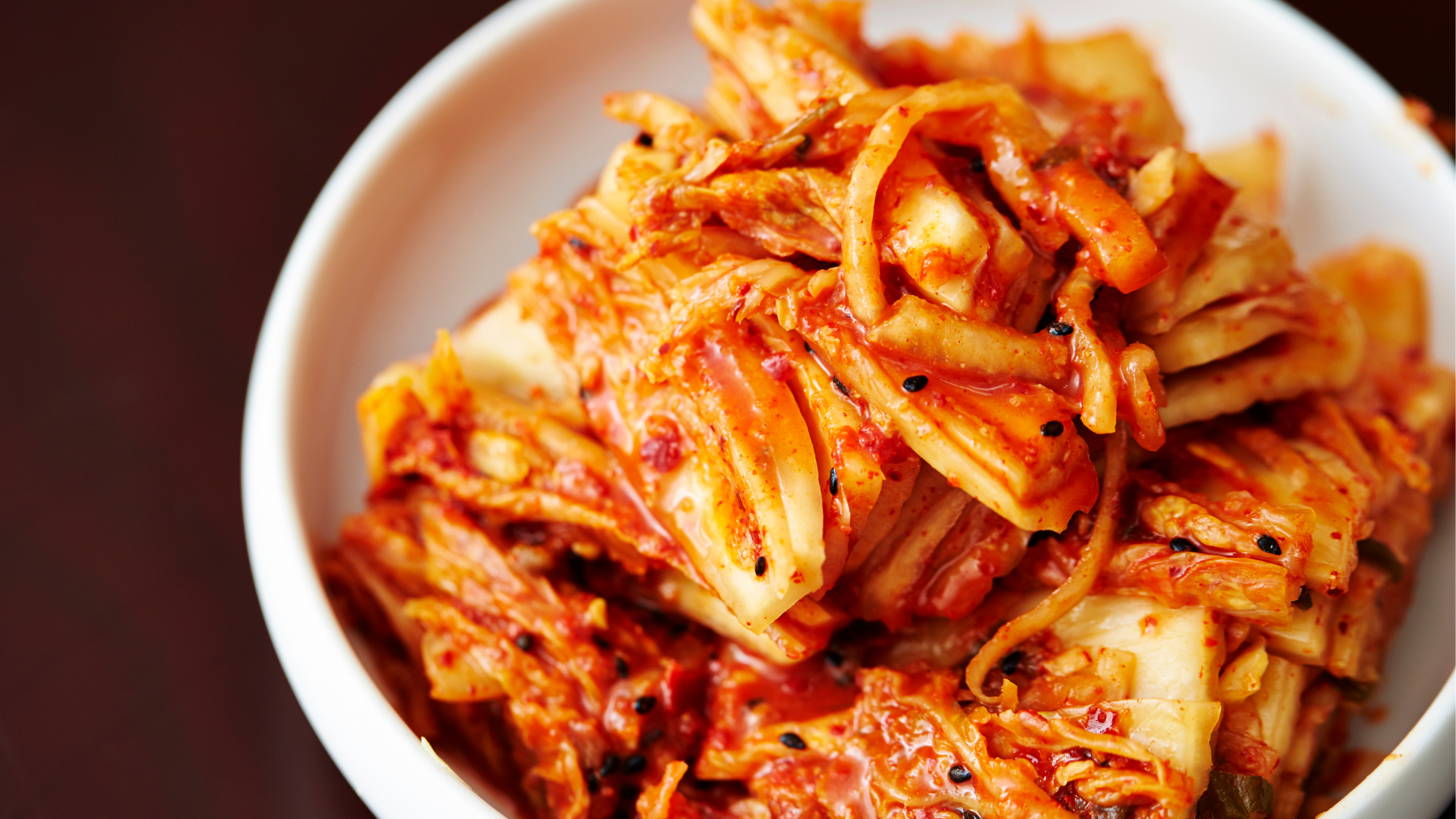
Traditional food techniques are having a real moment because they offer trust, flavour, and a sense of connection that modern shoppers still want. Fermentation, canning, preservation, and cultural storytelling are helping brands build retro food trend products that feel both familiar and current . For food innovation teams, the opportunity is not to choose between old and new. It is to combine traditional food preservation methods with modern processing so products feel authentic, shelf-stable, and commercially viable.
Why Are Traditional Techniques Back in Demand?
Traditional techniques are back because consumers want food that feels real, rooted, and easy to understand. In a market full of functional claims and highly processed formats, heritage fermentation and preservation create a stronger emotional and sensory connection. That is a big reason retro foods 2026 are gaining attention.
The trend is not just nostalgia. It reflects a broader consumer desire for resilience, diversity, and sensory richness in food. When a product tells a story about place, method, or heritage, it feels more meaningful than a product with a generic wellness message.
What Is Driving the Retro Food Trend?
The retro food trend is being driven by a mix of consumer fatigue, cultural curiosity, and demand for cleaner labels. Shoppers increasingly want foods that sound recognizable and feel grounded in long-standing methods rather than complex technical processing. That has pushed fermented foods trend, canning and preservation trend, and artisanal food preservation into the mainstream.
This matters because the appeal is not limited to older shoppers. Younger consumers are also gravitating toward cultural food traditions and shelf-stable traditional foods that feel authentic and distinctive. For brands, that means retro food innovation has moved from niche to strategic.
Why Do Fermented Foods Feel So Relevant Right Now?
Fermented foods feel relevant because they combine flavour, function, and story in one product. Fermentation in modern food is no longer just about preservation. It is also about sensory appeal, gut health, and cultural credibility .
A fermented product can deliver several things at once.
- Fermentation and gut health.
- Fermentation-driven flavour profiles.
- A natural preservation story.
- A strong cultural link that supports brand storytelling.
That combination makes fermented and preserved foods attractive to consumers looking for more than just convenience. It also makes them valuable in product development because they can create differentiated flavour and texture.
How Does Canning Fit Into Modern Food Innovation?
Canning still matters because it remains one of the clearest examples of food preservation that consumers understand. Traditional canning methods signal reliability, shelf life, and food safety in a way that feels familiar . That is useful in a market where trust is a major buying factor.
Canning and preservation trend products also give brands a chance to lean into retro-style food packaging and heritage cues. A product that looks and feels artisanal can stand out on shelf even before the consumer opens it. For food tech teams, this is a reminder that packaging is part of the experience, not just a container.
Why Are Consumers Drawn to Cultural Storytelling in Food?
Consumers are drawn to cultural storytelling in food because it makes the product feel human. People want to know where a food comes from, who made it, and why the method matters . That is especially true in categories where the ingredient list is short and the process is part of the value.
Cultural storytelling in food also helps brands differentiate in crowded categories. Two products may both be fermented or preserved, but the one with a clear origin story often feels more valuable. In practice, this can support product innovation by turning tradition into a competitive advantage.
How Do Traditional Food Preservation Methods Support Clean Label Expectations?
Traditional food preservation methods support clean label expectations because they often rely on fewer ingredients and simpler logic. Consumers are more likely to trust a product if the method is easy to explain and the ingredient list is easy to read . That gives traditional techniques a natural advantage in clean-label positioning.
Natural fermentation ingredients, drying, and canning can all help brands avoid overreliance on artificial preservatives. The key is making the method work at scale without losing quality. That is where modern food processing still plays an important role.
What Makes Fermentation So Useful in Shelf-Stable Products?
Fermentation is useful because it can create flavour, preserve texture, and support food safety when done correctly. It also aligns well with consumer interest in shelf-stable traditional foods that still feel fresh and vibrant . This is one reason fermented snacks and beverages continue to grow.
For product developers, the appeal is practical as well as cultural. Fermentation can reduce the need for heavy flavour adjustment, while also giving the product a more complex profile. In categories like vegetables, dairy alternatives, condiments, and beverages, it can be a major source of differentiation.
How Do Traditional and Modern Methods Work Together?
Traditional and modern methods work best when they are combined instead of treated as opposites. A brand may use heritage fermentation or preservation for flavour and identity, then rely on modern food dehydration or controlled drying to stabilize the product for distribution. That creates a product that feels authentic but still performs commercially.
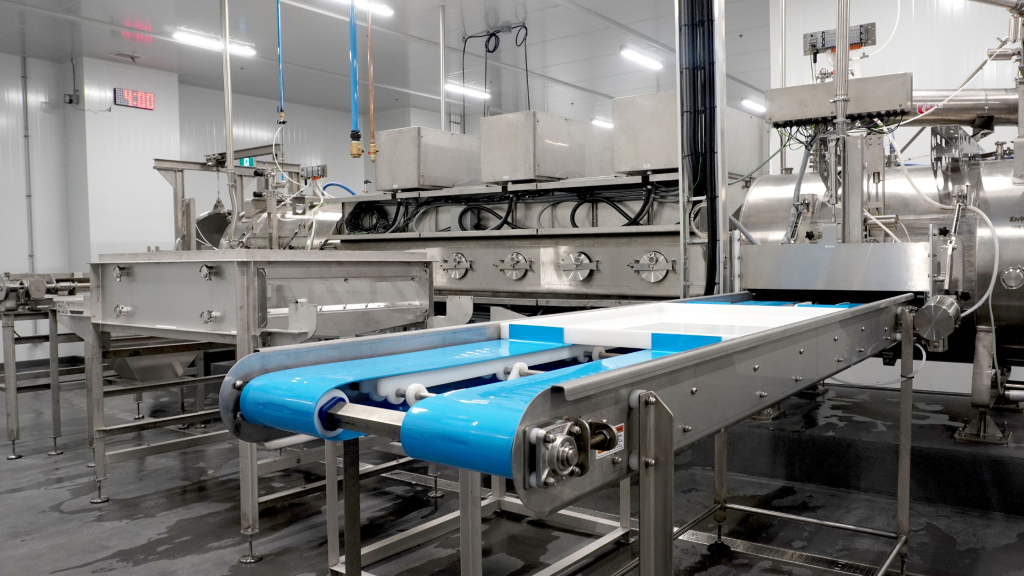
This is where microwave drying equipment can be relevant. Short, controlled-temperature drying can help preserve flavour compounds and colour in fermented or botanical ingredients, reducing the need for overprocessing. For brands exploring commercial food drying, that can be a useful bridge between tradition and scale.
Why Does Drying Matter in Retro Food Innovation?
Drying matters because it helps turn fragile traditional ingredients into shelf-stable products. Traditional drying and preservation methods have always been part of food culture, but modern expectations for consistency and distribution require tighter control. That makes drying technology part of the innovation story.
If a fermented ingredient, fruit, or botanical is dried too aggressively, the product can lose the qualities that made it appealing in the first place. Gentle dehydration can help preserve sensory value while extending shelf life. That is especially important when the product is meant to evoke heritage or craft.
How Does This Trend Connect to Gut Health and Function?
The connection is strong because many fermented foods are now associated with gut health, digestibility, and overall wellbeing. Consumers increasingly understand that fermentation can do more than create flavour . That gives brands a way to build products that feel both nostalgic and useful.
This matters for food innovation because functional claims are easier to support when the product already has a credible method story. A fermented snack, beverage, or preserved food can appeal to shoppers who want both tradition and function. That overlap is one of the reasons the fermented foods trend remains strong.
What Should Brands Watch When Developing Retro Products?
Brands should watch three things closely. First, the product has to taste good and feel authentic. Second, it has to meet clean-label and shelf-life expectations. Third, the method needs to be scalable enough for real food processing conditions .
A useful framework looks like this.
- Start with a traditional technique that fits the category.
- Decide what sensory benefit the method should deliver.
- Use processing controls to protect flavour, colour, and texture.
- Build the packaging and story around the heritage cue.
- Confirm shelf life and food safety before launch.
That approach helps retro food trend products feel genuine instead of gimmicky. It also reduces the risk of promising tradition without delivering quality.
Why Are Consumers Responding So Strongly to Heritage Foods?
Consumers are responding strongly to heritage foods because they feel comforting, credible, and different from standard processed offerings. In a busy market, that matters. People are more likely to try products that promise a connection to place, time, or technique .
Consumer demand for heritage foods is also tied to sensory innovation in fermented foods. Strong flavour, layered aroma, and interesting texture can create a better eating experience than products that rely only on sweetness or novelty. Traditional food techniques often deliver that complexity naturally.
Conclusion
Traditional techniques are winning modern consumers because they offer more than nostalgia. They support flavour, shelf stability, clean-label expectations, and stronger cultural storytelling in food . For brands, the best opportunities often come from combining heritage fermentation and preservation with modern food processing and controlled drying so the product is both authentic and scalable.
That is why retro food innovation is not a step backward. It is a practical way to build products people trust, enjoy, and want to buy again.
FAQ
What is the retro food trend?
It is the growing consumer interest in foods that use traditional methods, familiar ingredients, and heritage-style storytelling .
Why are fermented foods so popular?
They combine flavour, functionality, and a strong connection to gut health and cultural food traditions .
How does canning fit into modern food innovation?
Canning supports shelf life, food safety, and retro-style positioning while still feeling familiar to consumers .
What is heritage fermentation and preservation?
It refers to long-standing food methods that preserve ingredients while creating flavour and cultural value .
How do traditional methods support clean label expectations?
They often rely on simpler ingredient lists and familiar preservation logic, which consumers tend to trust .
Where does microwave drying fit in?
It can help preserve flavour, colour, and texture in traditional ingredients while supporting shelf stability and scale.
Further reading
SIAL Paris Global food trends 2026 resilience, diversity, and sensory innovation
EnWave What is REV
EnWave How is microwave dehydration changing the food industry
EnWave Vacuum microwave dehydration vs freeze drying
ScienceDirect Microwave drying
https://www.sciencedirect.com/topics/agricultural-and-biological-sciences/microwave-drying
PMC Comparison of traditional and novel drying techniques
https://pmc.ncbi.nlm.nih.gov/articles/PMC7554907
PMC Impact of three different dehydration methods on nutritional values