
Sustainability as Indulgence
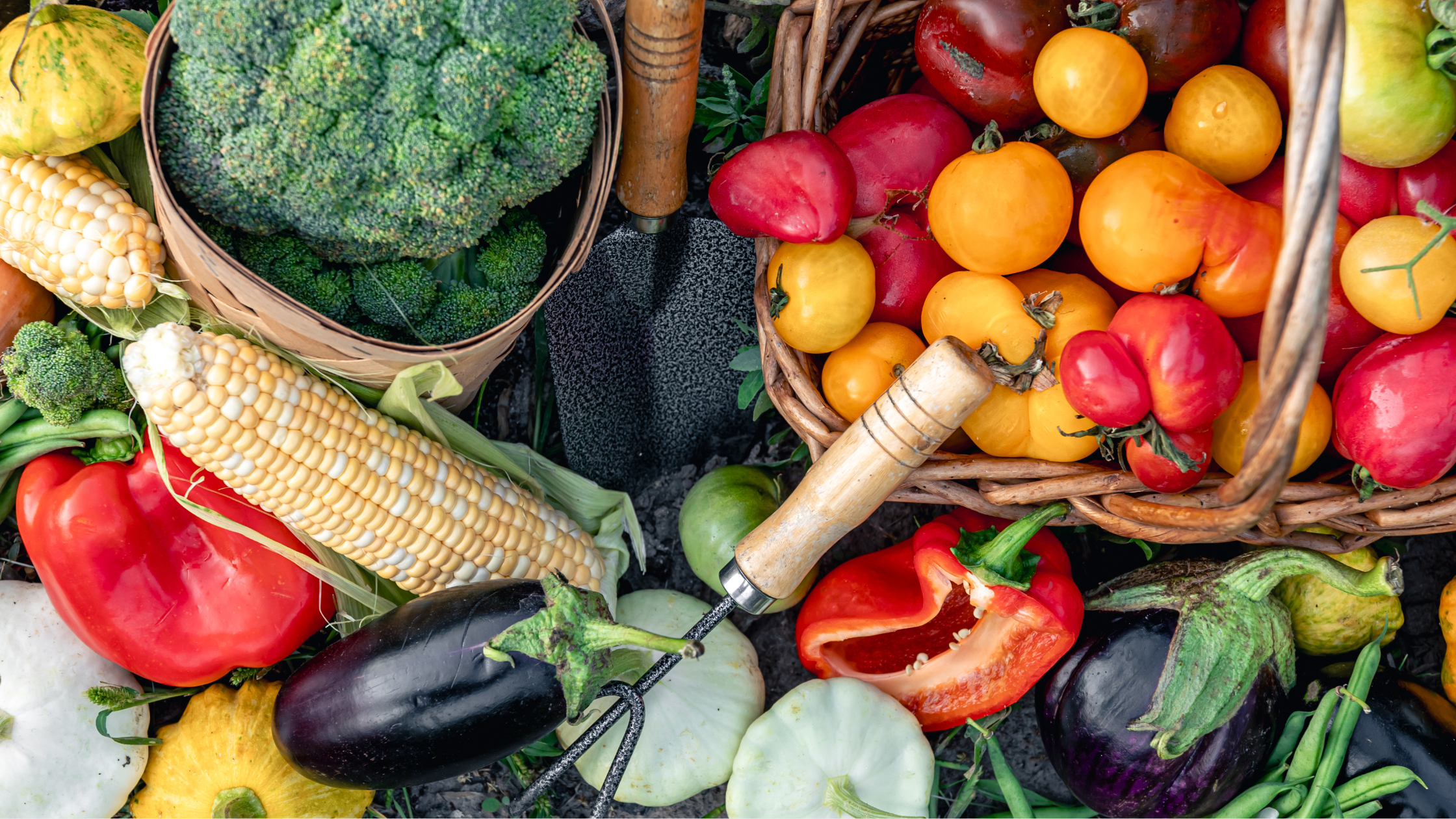
Sustainability is no longer limited to compromise-led products. More consumers are open to premium foods that also reduce waste, use upcycled ingredients, and deliver a better sensory experience. That creates a strong opening for sustainable food innovation, where drying technology helps turn surplus produce and by-products into indulgent, shelf-stable products with real commercial value.
Why Is Sustainability Becoming Part of Indulgence?
Sustainability is becoming part of indulgence because consumers no longer want to choose between doing good and eating well. They increasingly expect premium taste, texture, and convenience to coexist with lower waste and cleaner sourcing. That shift is changing how brands think about product development.
This matters because sustainability in product development is no longer just a claim for the label. It can now shape flavour, mouthfeel, and product quality. When a product feels indulgent and responsible at the same time, it becomes easier to justify a higher value proposition.
What Does Sustainable Food Innovation Look Like in Practice?
Sustainable food innovation is about making more value from ingredients that might otherwise be underused. That includes surplus produce, seasonal overages, by-product ingredient innovation, and trim streams from food processing. Instead of treating those materials as waste, brands can turn them into premium sustainable snacks, powders, or inclusions.
Common examples include:
- Fruit powders made from surplus harvests.
- Snack inclusions made from seasonal produce.
- Preserved ingredients made from trimmings or by-products.
- Clean label sustainability products with short ingredient lists.
- Waste to value food tech applications that extend shelf life.
The opportunity is not only environmental. It is commercial. If the ingredient can be stabilized and turned into something desirable, it can create a new product line instead of a disposal problem.
Why Does Drying Technology Matter So Much?
Drying technology matters because it determines whether an ingredient becomes a premium product or a lower-value input. If the process is too harsh, the colour, flavour, and texture can be lost. If it is too slow, the product may never be economical at scale.
REV™ helps because vacuum microwave dehydration can preserve quality while extending shelf life. That makes it especially useful for fruit, vegetable, and botanical ingredients that need to retain their sensory appeal. For brands focused on food waste reduction products, that is a major advantage.
How Does REV™ Support Waste Reduction?
REV™ supports waste reduction by helping brands convert surplus or seasonal ingredients into shelf-stable formats. Instead of letting produce spoil or move into low-value channels, the product can be dried into a stable ingredient or snack. That reduces waste and creates more options for commercialization.
This is where food processing becomes a value driver. When moisture is removed quickly and gently, the ingredient can hold on to more of what makes it appealing. That means a fruit that was once too perishable for premium retail can become a clean label snack or inclusion with a longer life.
Why Are Upcycled Ingredients Gaining Momentum?
Upcycled ingredients are gaining momentum because they combine sustainability with smart product design. Consumers are increasingly comfortable buying products that use ingredients recovered from food streams, especially when the final result feels premium. That is a big shift from the old idea that sustainability must look rustic or compromise-led.
Upcycled ingredients work best when the brand can clearly explain the benefit.
- Less waste.
- Better use of raw materials.
- Premium positioning.
- Shelf-stable formats that travel well.
- A cleaner story for consumers who care about impact.
When the ingredient is processed well, the sustainability story feels like part of the product value rather than a side note.
How Can Sustainability Still Feel Indulgent?
Sustainability can feel indulgent when the product delivers strong flavour, texture, and visual appeal. That is the important part. Consumers are more likely to embrace sustainable food innovation when the product feels exciting, not dutiful.
Think of fruit powders with vivid colour, snack inclusions with a bright bite, or preserved ingredients that still taste fresh. These products do not ask consumers to lower expectations. They invite them to enjoy something premium that also happens to support waste reduction.
What Role Does REV™ Play in Premium Sustainable Snacks?
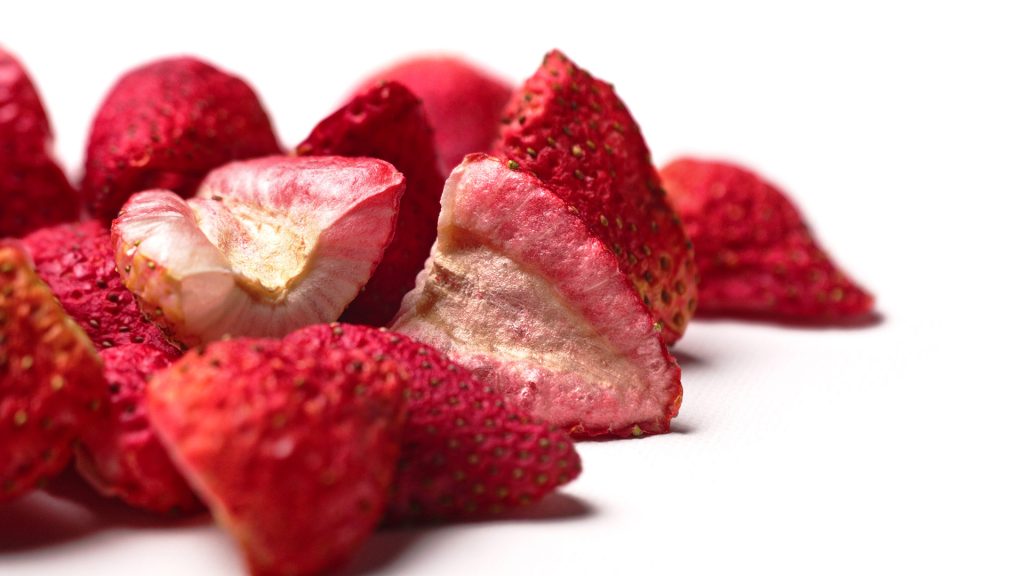
REV™ plays a central role because it helps preserve the qualities that make premium sustainable snacks feel worth paying for. If the drying process keeps colour brighter, flavour fuller, and texture more appealing, the final product can command more attention on shelf. That is what makes sustainability feel like indulgence instead of sacrifice.
EnWave’s materials also point to the ability of REV™ to create crunchy or chewy fruit and vegetable products, along with ingredient bases and natural colour or flavour enhancers. That is a strong fit for brands trying to build clean label sustainability into snacks, toppings, or functional inclusions.
Why Does Shelf Life Matter in Sustainability?
Shelf life matters because a sustainable product that spoils quickly is still wasteful. Extending shelf life gives brands and retailers more flexibility, which can reduce losses all along the chain. That is why food waste reduction products depend on both ingredient choice and process choice.
When a surplus ingredient is stabilized into a shelf-stable format, it is less likely to be thrown away. It can move through distribution, stay on shelf longer, and reach more consumers. In that sense, drying technology is part of the sustainability solution, not just a preservation step.
What Are Good Examples of Waste to Value Food Tech?
Good examples of waste to value food tech are products that take an ingredient stream with limited shelf life and turn it into something desirable. The best examples often involve fruit or vegetable surpluses, trims, or by-products that still have strong flavour or nutritional value.
Examples include:
- Fruit powders from overripe or surplus fruit.
- Snack pieces made from seasonal harvests.
- Vegetable inclusions from trim streams.
- Botanical powders or flavour enhancers.
- Preserved ingredients that fit into premium food innovation.
The key is not simply drying something. The key is preserving enough quality that the ingredient feels like a premium part of the final product.
How Does This Change Product Development?
This changes product development because sustainability becomes part of the sensory brief. The team is no longer asking only how to reduce waste. It is also asking how to make the product taste better, look better, and feel more valuable. That creates a stronger business case.
For brands, this means the process should be designed around both impact and experience.
- Identify the surplus or underused ingredient.
- Decide what premium format it could become.
- Choose a drying method that protects quality.
- Test texture, colour, and flavour retention.
- Build the sustainability story into the product positioning.
That is how sustainability in product development becomes repeatable rather than experimental.
Why Is Clean Label Sustainability Important?
Clean label sustainability is important because consumers want straightforward stories. They want to know what the product is, why it is there, and how it supports a better outcome. If the ingredient list and process are too complicated, the sustainability message can lose credibility.
That is another reason drying technology matters. A clean label product that uses upcycled ingredients or preserved surplus fruit feels more convincing when the process is also simple and efficient. The result is a product that feels both responsible and premium.
What Should Brands Watch For?
Brands should watch for three things. First, the product needs sensory appeal. Second, the sustainability claim needs to be credible. Third, the process needs to be scalable enough for commercial food innovation.
A practical checklist helps.
- Does the ingredient have value beyond waste reduction.
- Will the drying method preserve enough colour and flavour.
- Can the product stay shelf stable long enough to matter.
- Does the final format feel indulgent, not compromising.
- Can the product be scaled into a real business.
Those questions keep sustainable food innovation aligned with both consumer demand and commercial reality.
Conclusion
Sustainability is no longer separate from indulgence. In many categories, it is becoming part of what makes a product feel premium, modern, and worth buying. That opens the door for upcycled ingredients, waste reduction, and by-product ingredient innovation that can support both impact and enjoyment.
For EnWave, the role is practical. REV™ helps brands preserve quality while extending shelf life and turning surplus materials into shelf-stable, premium sustainable snacks and ingredients. In other words, sustainability does not have to feel like a tradeoff. It can be part of the value.
FAQ
What is sustainable food innovation?
It is the development of food products that reduce waste, improve resource use, and still deliver strong consumer appeal.
What are upcycled ingredients?
Upcycled ingredients are materials recovered from food streams that would otherwise go underused or discarded, then turned into new products.
Why does drying technology matter for sustainability?
It helps stabilize surplus or seasonal ingredients so they can become shelf-stable products instead of waste.
How does REV™ support food waste reduction products?
It dries ingredients quickly and gently, helping preserve quality while extending shelf life.
Can sustainability still feel premium?
Yes. When the product delivers strong taste, texture, and colour, sustainability can enhance rather than limit indulgence.
What is waste to value food tech?
It is the use of food processing methods to convert by-products, surplus produce, or trim streams into useful, higher-value products.
Further reading
EnWave How is microwave dehydration changing the food industry
EnWave How modern dehydration brings the farm to your table year round
Comparison of drying methods and their effect on the valorisation of grape by-products
https://pmc.ncbi.nlm.nih.gov/articles/PMC8750427
Food Machinery Int Microwave dehydrator overview
https://www.foodmachineryint.com/everything-you-need-to-know-about-microwave-dehydrator-in-2024
Fraunhofer New efficient drying methods
UC Master Food Preserver Introduction to Food Dehydration