
How Food Processing Creates Shelf Stable Snacks
Food processing creates shelf stable snacks by controlling moisture, structure, and temperature so the product lasts longer without relying on preservatives. For manufacturers, the real advantage is that shelf life extension can happen without giving up texture, flavor, or nutrients when the right drying technology is used. REV™ vacuum microwave drying is relevant here because it helps food teams preserve quality while making snacks easier to store, ship, and sell.
Why does food technology matter for shelf stable snacks?
Food technology matters because shelf stable snacks are only valuable if they still taste good after processing and distribution. Consumers want convenience, but they also want snacks that feel fresh, appealing, and worth buying again. That puts food manufacturers in a difficult spot. The product has to last longer without turning bland, brittle, or overly processed.
This is where food processing solutions become central to snack innovation. When moisture is managed well, a product can stay stable at room temperature and still hold its sensory appeal. That is one reason shelf stable snacks have become such a strong category for product development.
What makes a snack shelf stable?
A snack becomes shelf stable when moisture is low enough to slow microbial growth and help the product stay safe and appealing over time. That does not mean every shelf stable product is dry in the same way. It means the processing method has reduced the conditions that cause spoilage.
In practical terms, shelf stability depends on three things.
- Moisture control.
- Packaging.
- Processing method.
If those three work together, the snack can last longer without preservatives and still support commercial food innovation.
How does food processing extend shelf life?
Food processing extends shelf life by changing the parts of food that cause it to spoil quickly. For many snacks, that means removing water, reducing microbial activity, and protecting texture during storage. The goal is not simply to dry the food. The goal is to make it stable enough to move through the supply chain without losing value.
This is especially important for manufacturers trying to scale. Longer shelf life means fewer returns, less waste, and more flexibility in distribution. In other words, shelf life extension is a business tool as much as a food science one.
Why is precise drying so important?
Precise drying is important because too much heat or too much drying time can damage the product. A snack can become hard, colourless, or dull in flavour if the process is too aggressive. That is why drying technology matters so much in food processing.
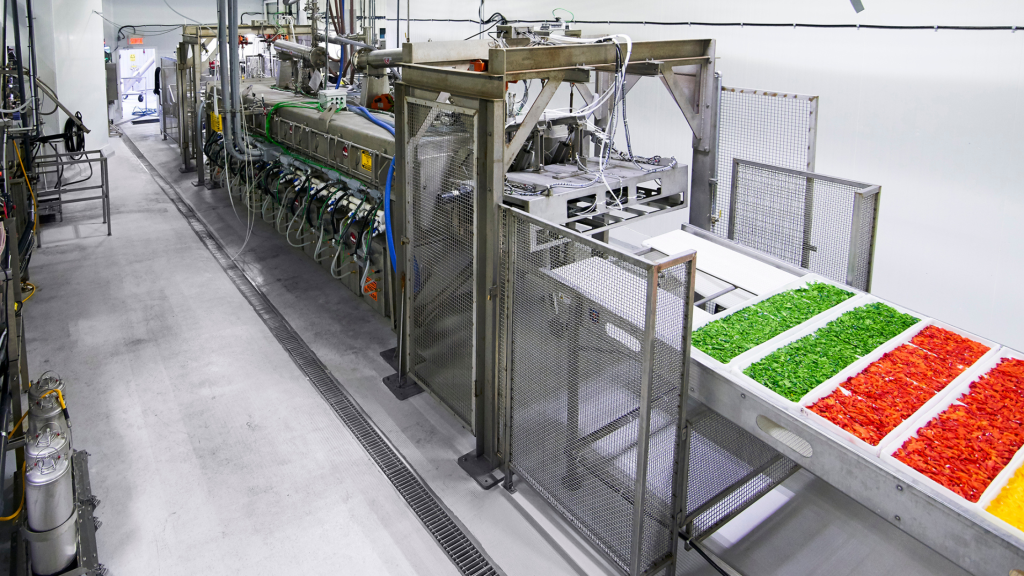
REV™ is relevant because it uses vacuum microwave drying to remove moisture quickly while controlling temperature and final moisture. EnWave says this helps preserve product quality better than many conventional methods. That makes it useful for products where texture and taste are part of the brand promise.
What does shelf stable snack innovation look like in practice?
Shelf stable snack innovation means making products that last longer without feeling like compromise products. It can include fruit snacks, vegetable snacks, cheese snacks, ingredient inclusions, and functional foods that are designed for convenience and quality. The best products feel modern, not overprocessed.
For food manufacturers, this creates room to build snacks that do more than fill a shelf. They can support protein, fibre, fruit content, or natural ingredients while still staying distribution friendly. That is a big reason food innovation teams are paying closer attention to food dehydration.
How does microwave drying equipment compare with freeze drying?
Microwave drying equipment offers a different balance than commercial freeze drying. Freeze drying is often strong at preserving structure, but it can be slower and more expensive to scale. Microwave drying, especially under vacuum, can shorten process time while protecting quality in many applications.
That matters for manufacturers who need more than premium preservation. They need a method that fits production schedules, plant efficiency, and shelf stable snack goals. In many cases, that makes microwave drying equipment a practical alternative for commercial food drying.
Why do manufacturers care about moisture control?
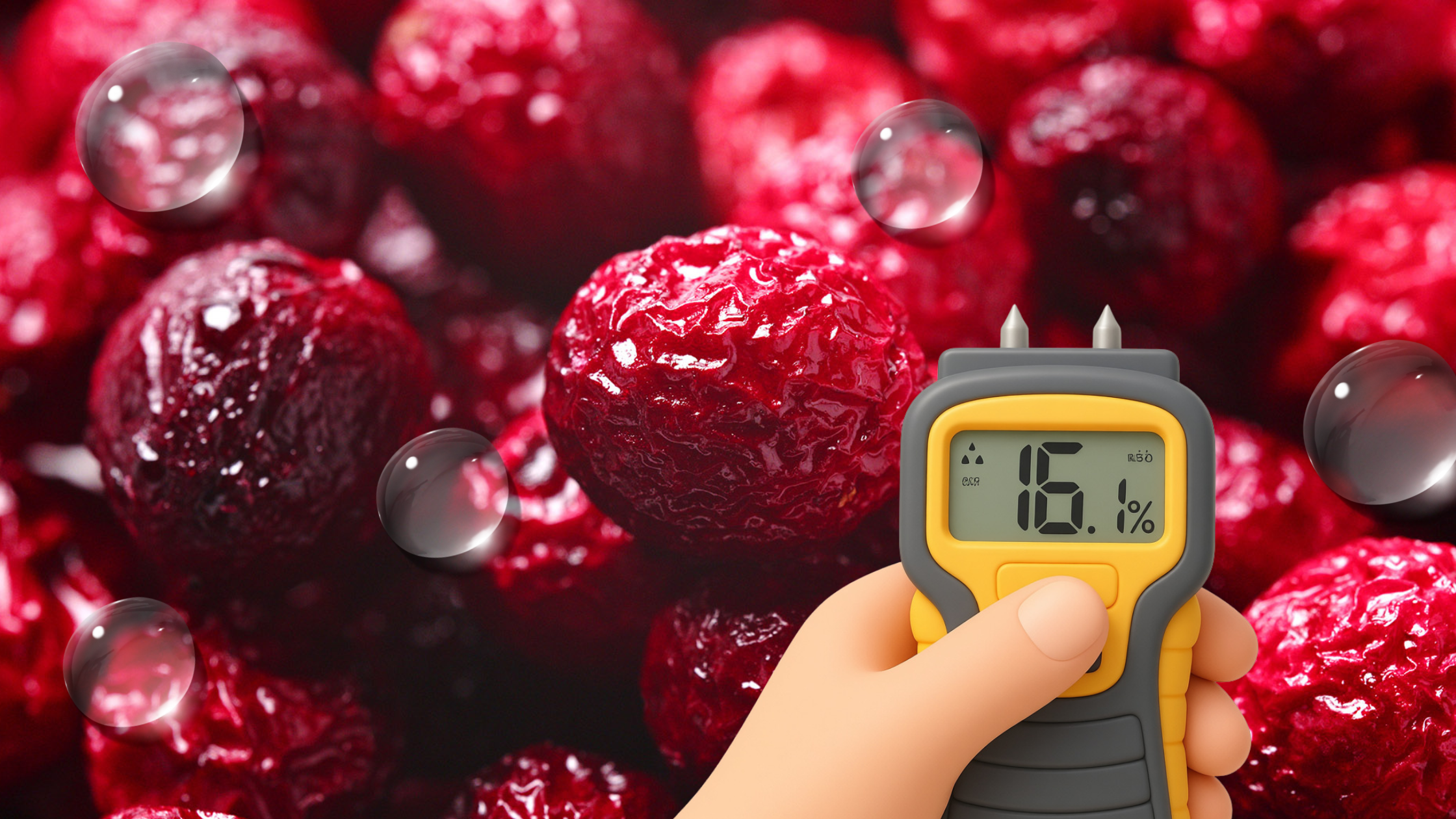
Manufacturers care about moisture control because it directly affects shelf life, texture, and consistency. Even a small change in residual moisture can alter how a snack behaves on shelf. That is why food processing solutions are often judged by how well they manage final moisture, not just by how fast they dry.
For product teams, moisture control also affects the consumer experience. A snack that is too dry can feel stale. A snack that is too moist can lose stability. Good food technology solves both problems at once.
How does REV™ help with food preservation?
REV™ helps with food preservation by drying quickly at low temperature under vacuum, which can protect colour, flavour, and nutrition better than harsher methods. That is particularly useful for fruits, vegetables, and other ingredients that are sensitive to long heat exposure. It also gives manufacturers a more predictable route to shelf life extension.
This is why REV™ is often discussed as a food tech option rather than just a drying machine. It gives teams a way to turn perishable ingredients into shelf stable snacks without losing the qualities that make them marketable. That is a major advantage in product development.
What does the product development process need from drying technology?
The product development process needs drying technology that is repeatable, scalable, and forgiving enough for commercial use. Innovation teams do not just need one good sample. They need a process they can rely on at pilot and production scale. That is where many drying methods become limiting.
A useful product development checklist includes:
- Does the method preserve flavour.
- Does it support the intended texture.
- Can it scale from test runs to production.
- Will the shelf stable snack stay stable in distribution.
- Does the process fit the business model.
If the answer to any of these is no, the drying method may be slowing innovation instead of supporting it.
Why are shelf stable snacks attractive to food manufacturers?
Shelf stable snacks are attractive because they reduce risk and widen the market. Products that do not require refrigeration are easier to distribute, easier to store, and often easier to sell across multiple channels. That helps manufacturers manage costs and expand reach.
They also create flexibility in procurement. When a snack lasts longer, manufacturers can plan better around seasonal ingredients and production volumes. That is especially useful when food processing teams are trying to turn a strong idea into a profitable business.
What are the main benefits of vacuum microwave drying?
Vacuum microwave drying offers several benefits that matter to food manufacturers.
- Faster drying cycles.
- Strong quality retention.
- Better control over moisture.
- Lower risk of heat damage.
- A stronger fit for shelf stable snack development.
These benefits are why the method is often positioned as an alternative to conventional freeze drying and other commercial food drying methods. It combines preservation and efficiency in a way that supports both food innovation and commercial scale.
How should manufacturers choose the right food processing solution?
Manufacturers should choose the solution that best fits the product, the market, and the scale-up plan. A premium snack with fragile texture may need a more protective method. A startup launching quickly may need a faster and more flexible process. The “best” technology is the one that aligns with both quality and business goals.
A simple decision framework helps.
- Define the shelf life target.
- Identify the texture and flavour target.
- Compare drying methods by speed and cost.
- Test how the product behaves after packaging.
- Choose the method that supports scale.
This approach keeps food technology tied to real production needs.
Conclusion
Food processing creates shelf stable snacks by controlling moisture and preserving the qualities that make the product desirable. When that process is done well, manufacturers can make snacks that last longer without preservatives and still deliver texture, flavour, and nutrition. That is the real value of shelf life extension.
REV™ stands out because it gives food teams a practical drying technology that supports quality, speed, and commercial food innovation. For manufacturers looking at commercial freeze drying, food dehydration, or microwave drying equipment, the key question is simple. Which process helps create a snack that is both stable and worth buying again?
FAQ
What is shelf stable snack food?
It is a snack that can stay safe and appealing at room temperature for a longer period because moisture has been reduced enough to slow spoilage.
Why is food technology important in snack innovation?
Food technology helps manufacturers create snacks that last longer, move through the supply chain more easily, and still taste good.
How does food dehydration help with shelf life extension?
It removes moisture, which helps reduce microbial growth and slows down spoilage.
Is vacuum microwave drying better than freeze drying?
It depends on the product, but vacuum microwave drying can be faster and more scalable for many shelf stable snack applications.
What makes a snack commercially viable?
It needs good taste, stable shelf life, manageable production costs, and a process that scales.
Can shelf stable snacks be made without preservatives?
Yes. With the right food processing solutions and moisture control, many snacks can be made shelf stable without preservatives.
Further reading
EnWave Freeze Drying vs Microwave Drying
EnWave Is dehydrating the same as freeze drying
EnWave Popular food drying processes explained
Comparison of Traditional and Novel Drying Techniques and Its Application in Foods