

What Are The 4 Types Of Food Processing?
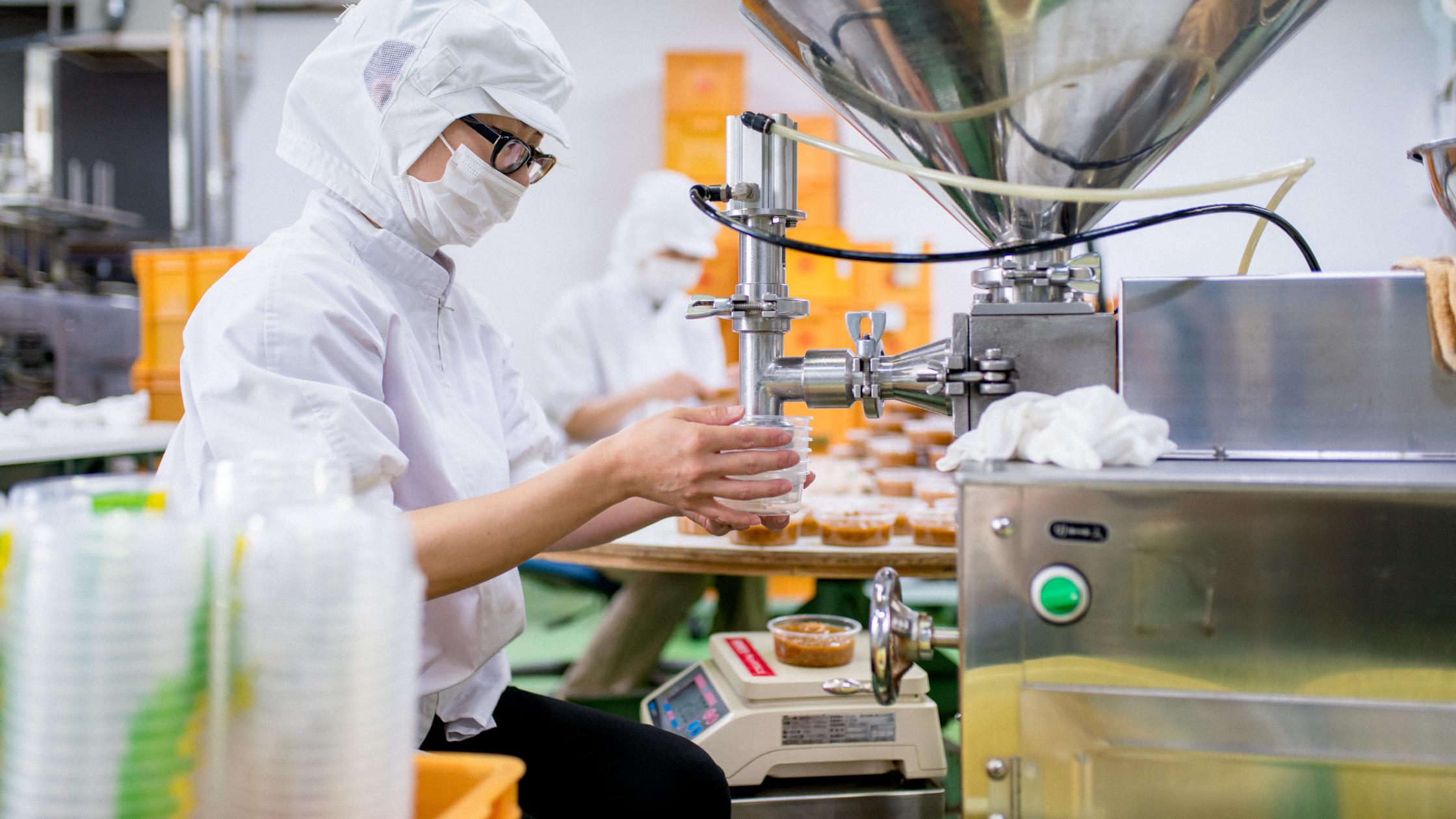
Food processing breaks down into four main categories based on how much change happens to the raw ingredients. Primary processing prepares fresh foods for storage or use. Secondary turns them into recognizable products. Tertiary refines for convenience. Quaternary packages for retail. Understanding these helps brands navigate production, innovation, and drying choices like vacuum microwave or commercial freeze drying.
Quick Overview
Primary processing cleans and cuts raw materials. Secondary cooks, dries, or mixes into items like snacks. Tertiary preserves and portions for shelf life. Quaternary packages for distribution. Drying fits secondary and tertiary, with vacuum microwave dehydration offering speed and quality for modern food innovation.
What Is Primary Food Processing?
Primary food processing prepares raw ingredients for further steps. It includes cleaning, sorting, cutting, grinding, and hulling to make materials stable and usable. Think washing produce, milling grains, or shelling nuts.
This stage minimizes waste and sets up efficiency. No major composition changes occur. Fresh produce reaches markets or factories after primary steps.
Why Does Primary Processing Matter For Food Brands?
Brands rely on consistent primary inputs for quality control. Poor cleaning leads to contamination. Uniform cutting aids downstream drying or cooking.
Scale‑up starts here. Efficient primary lines support high‑volume commercial food drying later.
What Happens In Secondary Food Processing?
Secondary processing transforms primary materials into consumer products. Cooking, baking, drying, fermenting, or mixing create items like bread, snacks, or yogurt. Composition changes through heat, enzymes, or additives.
Drying fits here prominently. Vacuum microwave dehydration or commercial freeze drying turn wet ingredients into shelf‑stable snacks.
How Does Drying Fit Into Secondary Processing?
Drying removes water to extend shelf life and concentrate flavor. Methods range from air drying to advanced vacuum microwave. It enables lightweight packaging and global distribution.
Food dehydration supports product innovation. Brands develop crispy fruits or protein crisps.
What Defines Tertiary Food Processing?
Tertiary processing adds convenience and preservation to secondary products. Canning, freezing, pasteurizing, or portioning make items ready‑to‑eat or heat. Focus stays on safety and ease.
Drying often precedes tertiary steps. Dried powders mix into ready meals.
When Does Quaternary Processing Take Place?
Quaternary processing handles final packaging and distribution. Filling, sealing, labeling, and boxing prepare products for retail. It ensures safety and appeal on shelves.
Automated lines integrate drying output seamlessly.
How Do The 4 Types Work Together In Production?
Production flows sequentially. Primary feeds secondary for transformation. Tertiary preserves. Quaternary delivers.
Drying bridges secondary and tertiary. Vacuum microwave speeds the handoff.
Why Classify Food Processing Into These 4 Types?
Classification helps regulation, labeling, and innovation. It guides equipment choices like microwave drying equipment for secondary steps.
Brands optimize across categories for efficiency.
What Role Does Drying Play In Modern Food Processing?
Drying reduces weight and spoilage. Traditional air drying takes days. Commercial freeze drying preserves structure slowly. Vacuum microwave dehydration finishes in minutes with quality.
It fits secondary for snacks, tertiary for powders.
How Does Vacuum Microwave Drying Fit The Categories?
Vacuum microwave drying transforms wet foods in secondary processing. Rapid volumetric heat under vacuum dries uniformly. Low temperatures protect nutrients.
Brands use it for innovative textures in better‑for‑you snacks.
Why Compare Vacuum Microwave To Commercial Freeze Drying?
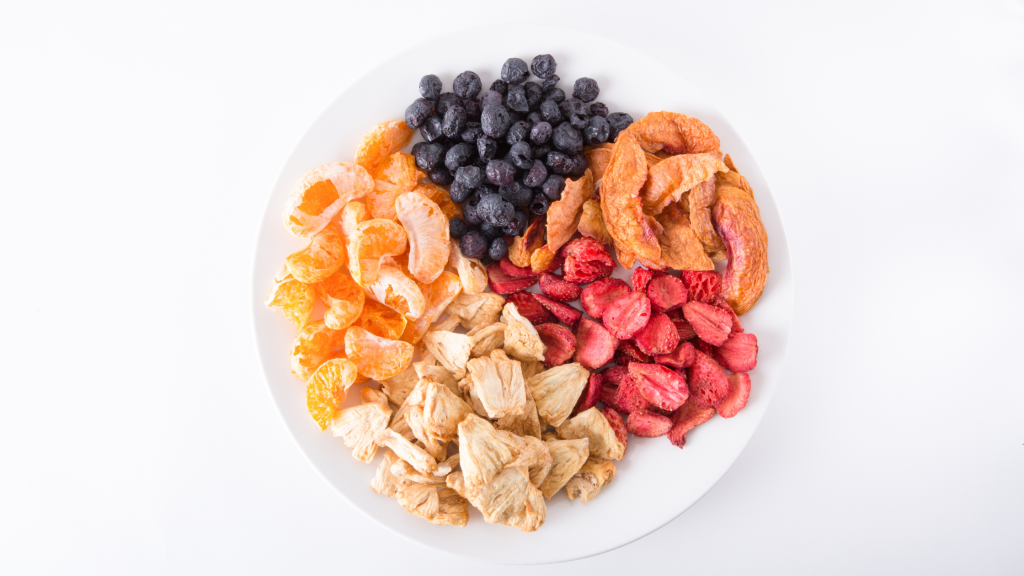
Freeze drying sublimes ice for porous structure. Vacuum microwave evaporates water fast. Both secondary drying but differ in time and energy.
Microwave suits volume. Freeze drying niche premium.
Primary Processing Equipment Examples
Cleaning lines, grinders, slicers. Minimal change, high throughput.
Supports downstream food dehydration.
Secondary Processing Innovations
Cooking, extruding, drying. Vacuum microwave drying equipment accelerates.
Enables product innovation.
Tertiary Preservation Methods
Canning, freezing, irradiating. Drying precedes for powders.
Quaternary Packaging Trends
Sustainable films, smart labels. Dried products pack light.
How Food Processing Drives Product Development
Processing categories guide R&D. Test drying in secondary pilots.
Vacuum microwave speeds iteration.
FAQ
What are the 4 types of food processing?
Primary prepares raw materials. Secondary transforms into products. Tertiary preserves convenience. Quaternary packages for retail.
How does food processing industry work?
Raw materials undergo primary cleaning, secondary transformation like drying, tertiary preservation, quaternary packaging.
Where does drying fit in food processing?
Drying occurs in secondary for shelf stability and tertiary for powders.
What is primary food processing?
Cleaning, sorting, cutting raw ingredients for stability.
What is secondary food processing?
Cooking, drying, mixing into consumer products.
How does vacuum microwave drying work?
Microwaves heat water under vacuum for fast, even dehydration.
Is vacuum microwave better than freeze drying?
Depends. Microwave faster for volume. Freeze drying better rehydration.
What equipment for food dehydration?
Vacuum microwave, freeze dryers, air dryers.
Why classify food processing types?
Guides regulation, equipment, innovation.
How does drying support food innovation?
Enables new textures, shelf life for snacks.
Further reading
Commercial Freeze Dryer Guide
Why Freeze Dryers Expensive
https://stayfreshfreezedry.com/blogs/learn-about-freeze-drying/why-are-freeze-dryers-so-expensive
Choosing Freeze Dryer for Business
https://parkerfreezedry.com/new-product-updates/calculator
Freeze Dryers Canada Buyer’s Guide
https://www.trimleaf.ca/blogs/blog/the-best-freeze-dryers-in-canada-complete-buyers-guide
EnWave Alternatives to Freeze Drying
EnWave Freeze Vs Microwave Drying
Food Engineering EnWave Toll Facility