

Drying Method Limitations: Air, Spray and Freeze Drying
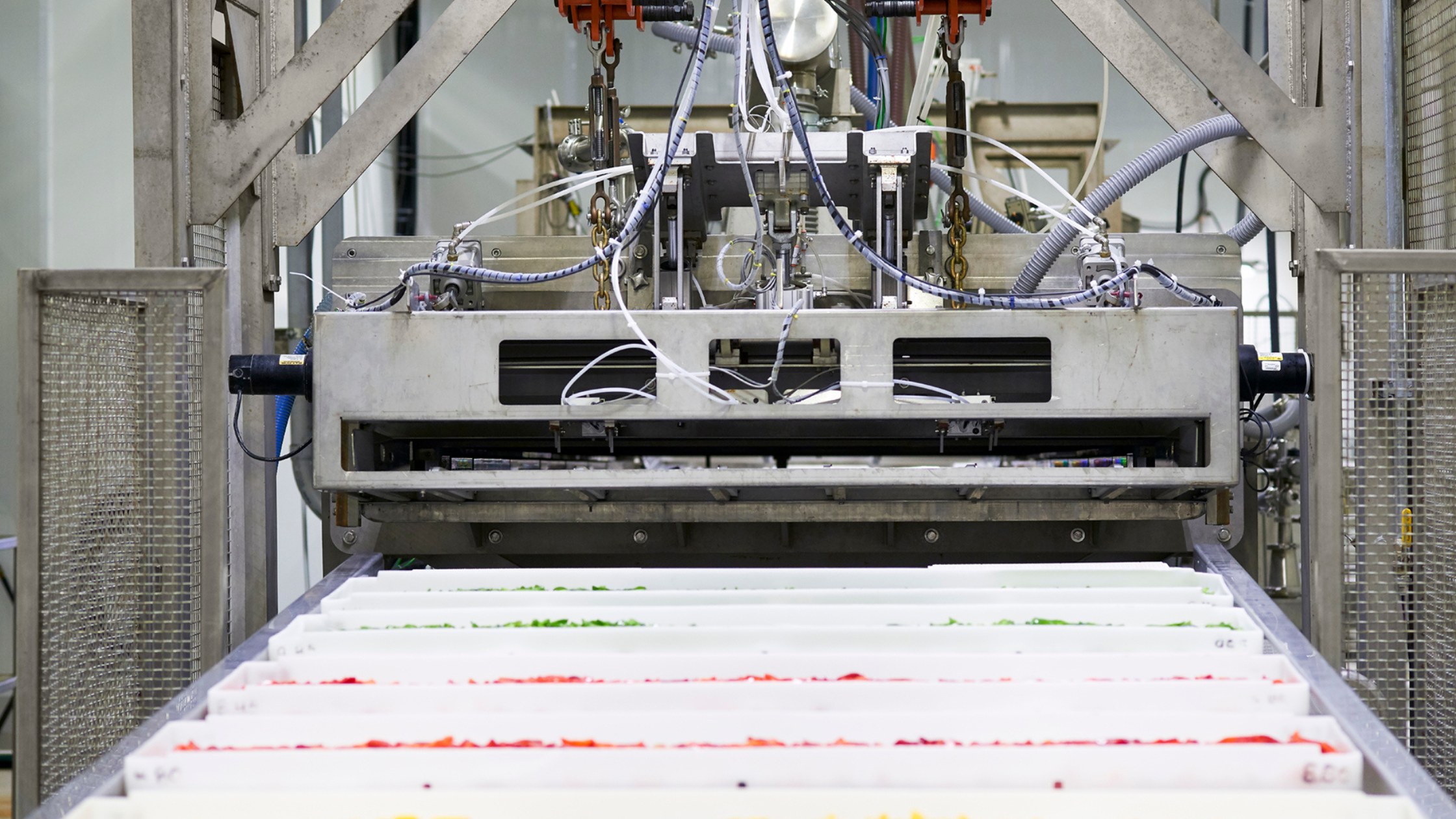
Air drying is slow and uneven. Spray drying uses high heat that damages nutrients. Freeze drying takes days and costs a lot in energy. EnWave REV™ microwave dehydration dries fast in minutes while keeping quality high, nutrients intact, and costs low. It’s built for modern food processing needs.
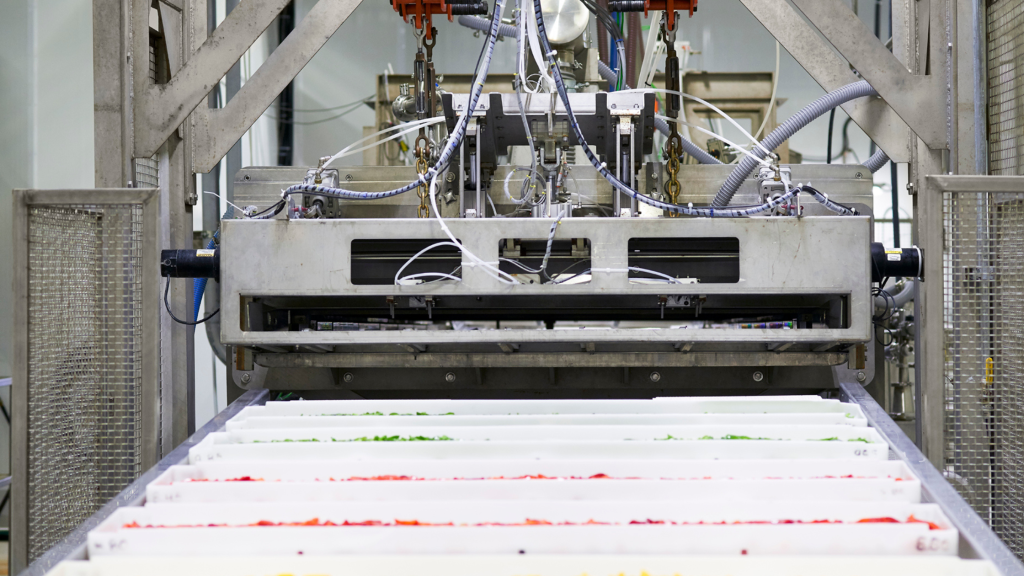
What are the main food drying methods?
Food drying removes water to make products shelf-stable. The big four are air drying, spray drying, freeze drying, and microwave vacuum drying.
Air drying uses hot air flow over food. Spray drying turns liquid into powder by spraying into hot air. Freeze drying freezes then pulls water out as vapor under vacuum. Microwave vacuum drying like EnWave REV™ uses microwaves in a vacuum chamber.
Each method fits different needs. But they all have limits in speed, quality, or cost. Food makers pick based on product type and goals.
What limits does air drying have?
Air drying is cheap and simple. But it takes a long time and often harms food quality.
Products sit in hot air for hours or days. This causes uneven drying. Outer layers dry fast while insides stay wet. That leads to case hardening where the surface blocks moisture escape.
Heat exposure breaks down vitamins and flavors. Colors fade. Nutrients like vitamin C drop by 60-70%. It’s hard to scale for high volume without big energy use.
Many small producers still use it. But for premium foods, the quality loss pushes brands to better options. Air drying works best for hardy items like herbs or grains.
Why is spray drying not ideal for all foods?
Spray drying makes powders fast from liquids. You spray droplets into a hot chamber. They dry mid-air and fall as powder.
High temperatures hit 180-200°C. This kills heat-sensitive nutrients right away. Proteins denature. Flavors turn bitter. It’s great for milk powder or starches. But for fruits, veggies, or probiotics, losses are huge.
Powders can stick or clump without additives. Yield drops 10-20% from wall buildup. Energy use stays high too.
Food innovation teams avoid it for delicate items. It’s more for industrial basics than premium product development.
What are the biggest problems with freeze drying?
Freeze drying preserves structure well. It freezes food then sublimates ice under vacuum. No heat needed during main drying.
Cycle times drag on 24-48 hours per batch. That’s slow for commercial food drying. Energy costs soar from freezing and vacuum pumps.
Scalability hurts. Big machines cost millions. Small runs waste time. Some bacteria survive since it’s not a kill step.
Quality shines for color and shape. But for high volume or tight margins, the limits show. Many brands hit walls expanding with it.
How does EnWave REV™ microwave dehydration compare?
EnWave REV™ dries in 10-60 minutes. Microwaves penetrate evenly under vacuum. Water boils at low temps around 40-50°C.
No case hardening. Nutrients stay 90-95% intact. Colors pop. Flavors hold strong. It’s 25x faster than freeze drying.
Energy use drops 80% over freeze drying. Machines scale from lab to industrial. Perfect for food tech and product innovation.
REV™ fits snacks, powders, fruits, proteins. It solves limits of older methods while matching their strengths.
Does air drying preserve nutrients well?
No, air drying loses many nutrients. Heat and oxygen degrade vitamin C by 65%, vitamin A by 40%.
Long exposure oxidizes polyphenols and enzymes. Proteins can toughen. For functional foods, this kills value.
Berries turn brown. Veggies lose crispness. It’s okay for basic drying. But premium lines need better retention.
Studies confirm it. One from Journal of Food Science shows 50% antioxidant loss after 8 hours air drying.
Can spray drying handle delicate ingredients?
Rarely. High heat destroys probiotics, enzymes, and volatiles. Omega-3s oxidize fast.
Fruit juices powder okay but lose fresh taste. Colors shift. Stickiness needs anti-caking agents.
It’s efficient for volume. But quality drops for health-focused products. Brands add flavors to mask issues.
For product development, test small. Many switch to gentler tech for clean labels.
Is freeze drying energy efficient?
Freeze drying guzzles energy. Freezing alone takes 30-40% of total. Vacuum pumps run non-stop.
A commercial unit uses 5-10 kWh per kg. That’s high for food dehydration. Bills add up fast.
Sustainability suffers too. Long cycles mean more machine time. Waste heat goes unused.
Newer methods cut this sharply. Food processors watch energy as costs rise.
How fast is EnWave REV™ compared to others?
REV™ finishes most jobs in under an hour. Air drying needs 4-24 hours. Spray drying powders in seconds but destroys quality. Freeze drying drags days.
Speed lets you turn harvests into stock fast. Respond to market shifts quick.
No batch waiting. Continuous flow possible. Boosts throughput 10-20x.
What about texture differences in drying methods?
Air drying shrinks and hardens food. Spray makes dusty powder. Freeze keeps airy structure. REV™ puffs or crisps evenly.
Microwaves dry inside-out. No wet cores. Textures range from crunchy snacks to smooth powders.
Control vacuum and power for custom feel. Great for food innovation like veggie chips or fruit bites.
Does drying affect food safety?
All methods lower water activity to stop microbes. But kill power varies.
Air and spray use heat for some kill. Freeze pauses bacteria but survivors lurk. REV™ adds mild heat from microwaves for better inactivation.
Test pre and post. REV™ uniform drying cuts hotspots. Safer end product.
Pathogen studies favor vacuum methods. Less recontamination risk.
Which drying method costs least to run?
Air drying wins upfront cheap. But long times raise labor and energy over volume.
Freeze drying machines running eats margins.
REV™ balances. Lower energy per kg. Faster cycles drop labor. ROI hits in months.
Calculate total cost. Include quality yield and waste.
Can small businesses afford advanced drying?
Yes with toll drying. EnWave REVworx lets you test without buying gear.
Run pilots cheap. Scale when ready. No big CAPEX risk.
Perfect for startups in product development. Prove concept first.
How does drying impact flavor retention?
Heat kills flavor in air and spray. Freeze keeps it okay but slow oxidizes some.
REV™ traps volatiles fast. Vacuum cuts oxygen. Taste stays fresh-like.
Blind tests show preference for REV-dried fruits. Key for premium foods.
What foods work best with each drying method?
Air suits grains, herbs. Spray for milks, juices. Freeze for meats, berries. REV™ handles all plus veggies, proteins, snacks.
Versatility drives REV™ adoption. One machine multiple lines.
Is microwave drying safe for food?
Yes. FDA approved. Microwaves target water only. No radiation residue.
Vacuum keeps temps low. Safer than hot air blasts.
Decades of use prove it. Global food makers trust it.
How to choose a drying method for my product?
Match to goals. Need speed and quality? Go REV™. Budget basics? Air. Powders only? Spray.
Test samples. Look at nutrient tests, shelf life, cost per kg.
Pilot runs clarify. Don’t guess.
REV™ vs commercial freeze drying: key differences
Freeze drying excels structure. Slow and costly.
REV™ matches quality. Adds speed, low energy, scale.
Switch saves 80% time, 50% energy. Same or better nutrition.
| Feature | Freeze Drying | EnWave REV™ |
|---|---|---|
| Time | 24-48 hrs | 10-60 min |
| Energy | 高い | 80% less |
| Scale | Batch | Continuous |
Data from EnWave trials.
Why switch from traditional drying now?
Rising energy prices. Clean label demands. Fast markets.
Old methods lag. REV™ future-proofs operations.
Sustainability rules push efficiency. Stay ahead.
Where to learn more about REV™?
Visit enwave.net. See case studies. Book a demo.
REVworx for trials. Start small.
FAQ
What is the fastest food drying method?
EnWave REV™ microwave dehydration dries in 10-60 minutes. Much faster than freeze drying’s cycles.
Does freeze drying kill nutrients?
No major loss but slow process risks some oxidation. REV™ retains 90-95% better.
Is air drying still used commercially?
Yes for bulk goods. Quality limits premium use.
How much does microwave drying equipment cost?
Varies by size. Toll drying skips upfront buy.
Further Reading
- PMC Study: Impact of Three Different Dehydration Methods on Nutritional Values (compares REV™, freeze drying, and air drying on broccoli, oranges, carrots shows REV™ retains 90-95% vitamin C/β-carotene vs. major losses in air drying): https://pmc.ncbi.nlm.nih.gov/articles/PMC7602416/
- EnWave.net: REV™ tech overview https://www.enwave.net
- NCBI: Microbial safety in drying https://www.ncbi.nlm.nih.gov/pmc/articles/PMC7121234/