
What are some common dried foods?
From Snacks to Ingredients
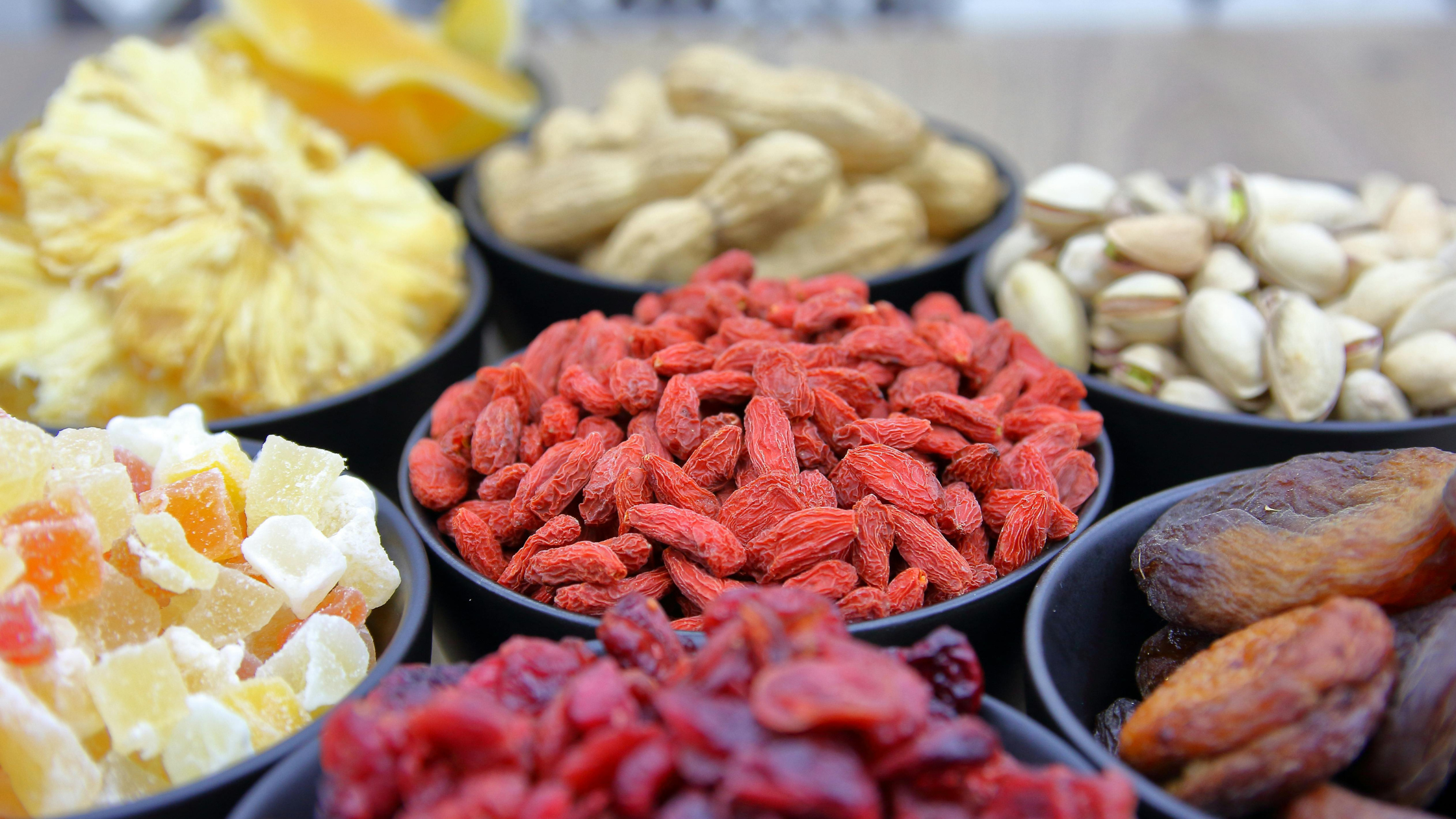
Sun-kissed dried apricots, chewy beef jerky, and aromatic dried herbs; these pantry staples pack intense flavor and rich history. Drying preserves foods by removing moisture, extending shelf life, intensifying taste, and locking in nutrition. This blog explores common dried food categories, their cultural roots, and explains how modern microwave dehydration elevates these favorites with better color, flavor, and nutrient retention, all while accelerating production and supporting food innovation.
How Has Drying Food Shaped Culinary Traditions?
Drying is one of humanity’s oldest preservation methods. Ancient civilizations dried fruits, vegetables, and meats to store food for lean times or long journeys. Foods like sun-dried tomatoes, dried figs, cured meats, and dried spices still hold cultural significance worldwide today. Drying not only prevented spoilage but concentrated flavors, creating beloved culinary staples.
What Are the Main Categories of Dried Foods on Your Shelf?
- Sweet and Tangy Dried Fruits Apricots, mangoes, apples, and berries become naturally sweet, chewy snacks rich in fiber and antioxidants.
- Savory and Spicy Jerky and Meat From beef jerky to turkey strips, drying enhances protein concentration and shelf stability for portable nutrition.
- Herbs, Flowers, and Spices That Pack a Punch Dried thyme, lavender, chili flakes, and garlic preserve potent aromas and flavors essential to cooking and seasoning.
- Instant and Functional Ingredients Powders made from dried mushrooms, vegetable blends, or nutritious superfoods add flavor, color, and health benefits easily.
What Makes Enwave’s Microwave Dehydration Advantageous for These Products?
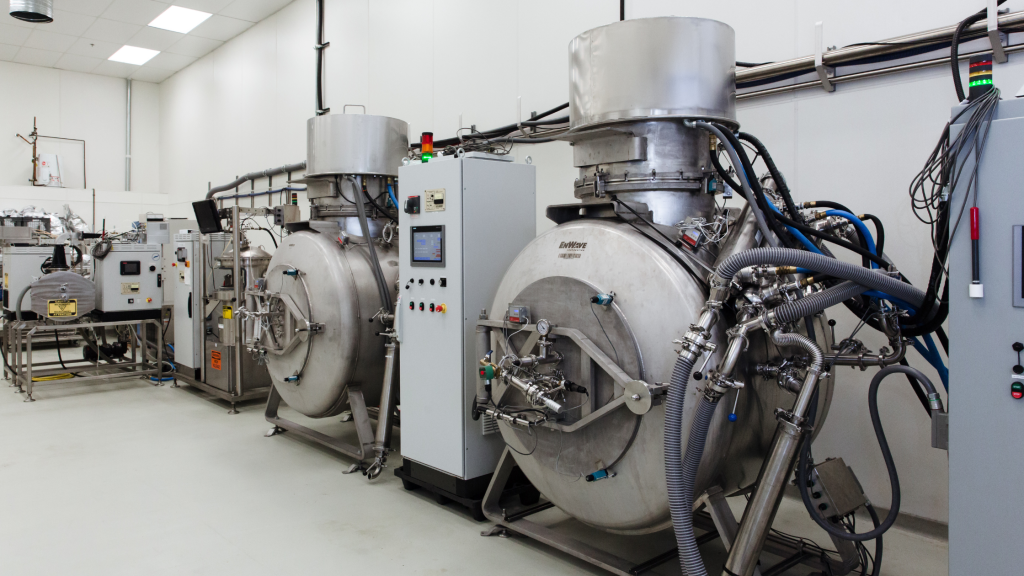
Enwave’s technology uses vacuum and microwave energy to gently and rapidly remove moisture, preserving:
- Natural colors that appeal to consumers
- Robust flavor profiles unlike those dulled by long, hot drying
- Nutritional density through minimized heat exposure
- Consistent drying with precisely controlled moisture levels
- Faster throughput supporting product innovation and market agility
These benefits support manufacturers evolving their product lines while maintaining clean label and quality standards.
What Does the Drying Process Do to Food Quality?
Drying transforms fresh foods into potent, shelf-stable versions that act like a “flavor time capsule.” Water removal prevents spoilage and concentration intensifies taste. However, drying methods differ: air drying can cause uneven textures, freeze drying creates porous structures, and microwave dehydration offers tailored crispness or chewiness depending on settings and product.
How Can Brands Innovate Using Dried Foods and Enwave’s Technology?
Brands can develop exciting new product combinations like fruit-jerky blends, herb-fortified snacks, or quick-cooking ingredient mixes. Enwave’s drying platform allows experimentation with unique textures, flavors, and nutrient profiles while ensuring commercial scalability and sustainability.
Frequently Asked Questions (FAQ)
What typical products are made with drying technology?
Dried fruits, meat snacks, herbs, spices, powdered ingredients, and instant mixes are common examples.
How does microwave dehydration differ from freeze drying?
Microwave dehydration is faster, more energy-efficient, and often better preserves color and flavor while allowing texture customization.
Is microwave dehydration suitable for delicate herbs?
Yes, vacuum conditions and gentle heating protect fragile botanical compounds effectively.
Can drying affect the nutrient content of foods?
Proper drying retains most nutrients, especially with rapid, low-heat methods like microwave dehydration.
Why does dried food sometimes taste more concentrated?
Water removal concentrates sugars, acids, and flavors, enhancing taste intensity.
Dried foods (from snacks to ingredients) are culinary essentials with deep historical roots. Modern microwave dehydration by Enwave offers superior preservation of flavor, color, and nutrients with accelerated, consistent drying. This technology empowers brands and innovators to expand dried food offerings with quality, efficiency, and creativity.
Further Reading
Freeze-Drying vs. Dehydrating: What’s the Difference? – Enwave
Freeze Drying vs Microwave Drying – Enwave
Comparison of Microwave Freeze Drying and Microwave Vacuum Drying – Oxford Academic
https://academic.oup.com/ijfst/article/46/3/570/7866449
Advances in Vacuum Microwave Drying Systems – ScienceDirect
https://www.sciencedirect.com/science/article/abs/pii/S092422442100491X