

Naturalness as a Formulation Strategy
Naturalness is no longer just a label claim. It is a formulation strategy that helps brands build texture, colour, flavour, and trust using botanical, microbial, fungal, and algae ingredients. The strongest products use natural ingredients in food as functional tools, not just marketing language. For teams in food innovation and product development, the main challenge is making those ingredients work through processing and shelf life without losing the qualities that make them valuable.
Why Is Naturalness Becoming a Formulation Strategy?
Naturalness has become a strategy because consumers now expect more than a short ingredient list. They want products that feel familiar, credible, and aligned with health, sustainability, and clean-label values. That pressure is changing how brands think about natural ingredient formulation.
This matters because “natural” alone does not solve a product problem. Naturalness has to support taste, texture, nutrition, and stability. In other words, it has to do real work in the formula, not just sit on the label.
What Do Consumers Mean by Natural Ingredients?
Consumers usually mean ingredients they recognize, trust, and associate with less processing. That often includes botanicals, fermentation-derived ingredients, microbial ingredients, algae ingredients, and familiar plant materials. But the interpretation of “natural” can still vary by region and by shopper.
That is why natural vs artificial ingredients in food is not a simple binary. A natural ingredient may sound better, but it still has to perform. If the texture is weak or the shelf life is poor, the consumer benefit disappears quickly.
How Do Botanical Ingredients Work in Food Formulation?
Botanical ingredients in food are often used for flavour, colour, and credibility. They can also support nutrition, especially when the ingredient contributes polyphenols, fibres, or plant-based actives. In many clean-label products, botanicals are doing the job that synthetic ingredients used to do.
For example, botanical ingredients can help with:
- Natural flavour and colour strategies.
- Texture support in powders, snacks, and beverages.
- Shelf-stable product development through dried extracts and powders.
- Consumer trust because the ingredient is familiar and easy to explain.
Botanicals are especially useful when the brand wants to tell a simple story. Ingredients that consumers can recognize often feel easier to buy.
Why Are Fungal Ingredients Gaining Attention?
Fungal ingredients functional foods are gaining attention because they offer structure, umami, and nutritional value in a way that fits plant-forward development. Some fungal systems also help with texture and fermentation-based performance. That makes them useful in categories where the brand wants more than flavour alone.
Fungal ingredients can help with:
- Meat-alternative structure.
- Savoury depth and mouthfeel.
- Natural thickening or binding support.
- Clean-label plant-based ingredients that feel more complete.
For product teams, fungi are interesting because they bridge naturalness and performance. They are not just a trend. They are a practical ingredient class for modern food development.
How Do Microbial and Postbiotic Ingredients Fit In?
Microbial and postbiotic ingredients matter because they bring fermentation credibility and functional positioning without always requiring live cultures. Yeast and microbial cultures in food are already familiar to consumers, which helps build acceptance. Postbiotics add another layer because they can be used where stability is more important than live probiotic delivery.
These ingredients are useful when brands want:
- Fermentation-derived natural ingredients.
- Better shelf stability.
- Functional positioning without refrigeration.
- A clean-label story that still feels scientific.
That makes them attractive in dairy alternatives, powders, snacks, and beverage bases. They fit the growing demand for naturalness in product development without forcing a fragile formula.
Why Are Algae Ingredients Important?
Algae ingredients innovation is important because algae can contribute protein, colour, minerals, and texture in small amounts. In many applications, algae also supports sustainability messaging, which matters to consumers looking for lower-impact ingredients. It gives brands another way to formulate with natural ingredients while telling a forward-looking story.
Algae can contribute:
- Protein and texture in plant-based foods.
- Colour in formulations that need visual impact.
- Minerals and nutrition in functional products.
- Sustainability value that resonates with environmentally aware shoppers.
The challenge is taste and stability. Algae ingredients need careful formulation so they enhance the product instead of overpowering it. That is where ingredient choice and process design need to work together.
How Does Natural Ingredient Stability Change During Drying?
Natural ingredient stability in drying processes is a major issue because botanicals, algae, and fermentation-derived ingredients can lose colour, aroma, or bioactive value if the process is too harsh. Drying is not just about removing water. It is also about protecting what makes the ingredient useful.
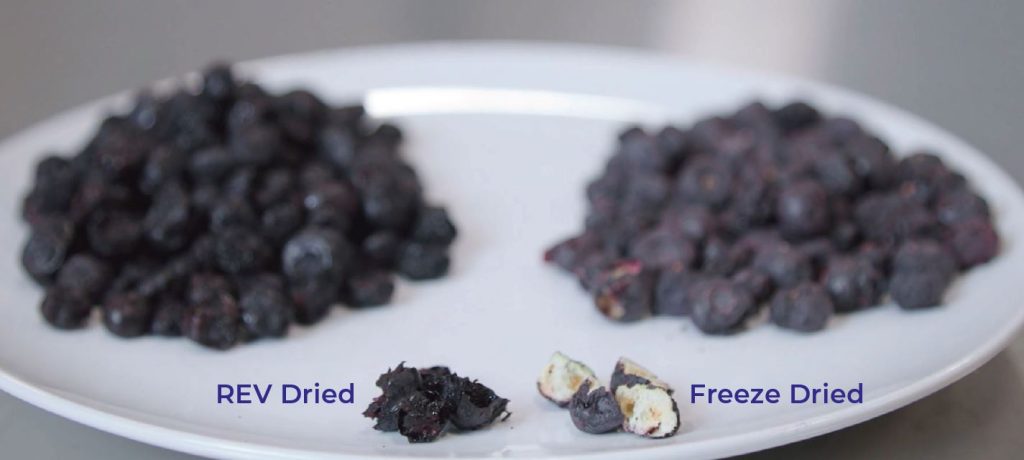
This is where microwave drying equipment can support naturalness as a formulation strategy. EnWave’s REV™ process uses vacuum microwave dehydration to dry products rapidly while controlling temperature and final moisture. That can help preserve flavour compounds, colour, and texture, which reduces the need to overcompensate with sugar or other masking ingredients.
Why Does Processing Matter as Much as the Ingredient?
Processing matters because even the best natural ingredient can fail if the method damages it. If a botanical loses its colour, or a fruit powder loses its aroma, the formula may need extra sugar, flavouring, or stabilizers to recover. That is why naturalness is not just an ingredient decision. It is a processing decision too.
Short, controlled-temperature drying helps preserve the sensory qualities that make natural ingredients work in the first place. For teams working on shelf-stable products, this can mean less reformulation later and a cleaner label overall. That is one reason processing and formulation should be developed together.
How Do Natural Ingredients Support Sustainability?
Natural ingredients support sustainability when they are sourced well and used efficiently. Botanicals, fungi, microbial systems, and algae can all contribute to a more diverse ingredient strategy, often with a smaller environmental footprint than some conventional alternatives. But sustainability has to be real, not just implied.
To make the story credible, brands should connect natural ingredients to concrete benefits.
- Less waste through better shelf-stable product design.
- Better use of upcycled fruit, plant, or fermentation streams.
- Stronger appeal for consumers who care about source and impact.
- More flexibility in formulation when the ingredient is functional as well as natural.
This is where naturalness and sustainability begin to overlap. The ingredient is doing real technical work while also supporting the brand story.
What Should Product Developers Ask Before Choosing Natural Ingredients?
Product developers should ask whether the ingredient helps with texture, nutrition, colour, flavour, or stability. If it only helps with one of those, the formula may still need more work. The best natural ingredients usually solve more than one problem.
A practical checklist looks like this.
- Does the ingredient perform in the target format.
- Does it hold up during drying, heating, or storage.
- Does it support clean-label positioning.
- Does it fit the consumer story the brand wants to tell.
- Does it reduce the need for synthetic support ingredients.
That is the real test of natural ingredient formulation. The ingredient should make the product stronger, not just more natural-sounding.
What Does This Mean for Product Innovation?
Naturalness in product development is becoming a design principle. Brands are no longer asking only whether an ingredient is natural. They are asking whether it can help build a better product that feels credible, performs well, and stays stable over time.
That is especially relevant in food innovation. The most compelling products are often the ones that combine botanicals, fungi, microbial systems, or algae in ways that improve taste and texture while supporting a clear label story. When processing is gentle and intentional, natural ingredients have a much better chance of delivering on that promise.
Conclusion
Naturalness as a formulation strategy is really about function, credibility, and product performance. Botanical ingredients in food, fungal ingredients functional foods, microbial and postbiotic ingredients, and algae ingredients innovation all have a role to play when they are chosen for a clear purpose. The brands that win will be the ones that understand how natural ingredient formulation and drying technology work together.
If the process protects flavour, colour, and texture, natural ingredients can do more than support a label claim. They can help shape the whole product.
FAQ
What is natural ingredient formulation?
It is the use of botanical, microbial, fungal, algae, and other naturally derived ingredients to improve product function, taste, and label appeal.
Why are botanicals important in food?
Botanicals can add flavour, colour, nutrition, and credibility while supporting clean-label positioning.
What are fungal ingredients used for?
They are often used for texture, savoury depth, and nutritional support in functional foods.
How do algae ingredients help product innovation?
Algae can contribute protein, colour, minerals, and sustainability value in clean-label products.
Why does drying matter for natural ingredients?
Drying can damage colour, flavour, and function if the process is too harsh. Gentle processing helps preserve ingredient quality.
How does REV™ support natural formulations?
REV™ vacuum microwave dehydration helps preserve flavour compounds, colour, and texture through short, controlled drying cycles.
Further reading
Innova Market Insights Global Ingredient Trends 2026
https://www.innovamarketinsights.com/trends/global-ingredient-trends-2026
EnWave What is REV
EnWave How is microwave dehydration changing the food industry
EnWave Vacuum Microwave Dehydration vs Freeze Drying
Microwave Drying ScienceDirect
https://www.sciencedirect.com/topics/agricultural-and-biological-sciences/microwave-drying
Impact of Three Different Dehydration Methods on Nutritional Values
https://pmc.ncbi.nlm.nih.gov/articles/PMC7602416
Comparison of Traditional and Novel Drying Techniques