

Is Dried Fruit Good for You? 5 Common Myths About Dehydrated Fruit
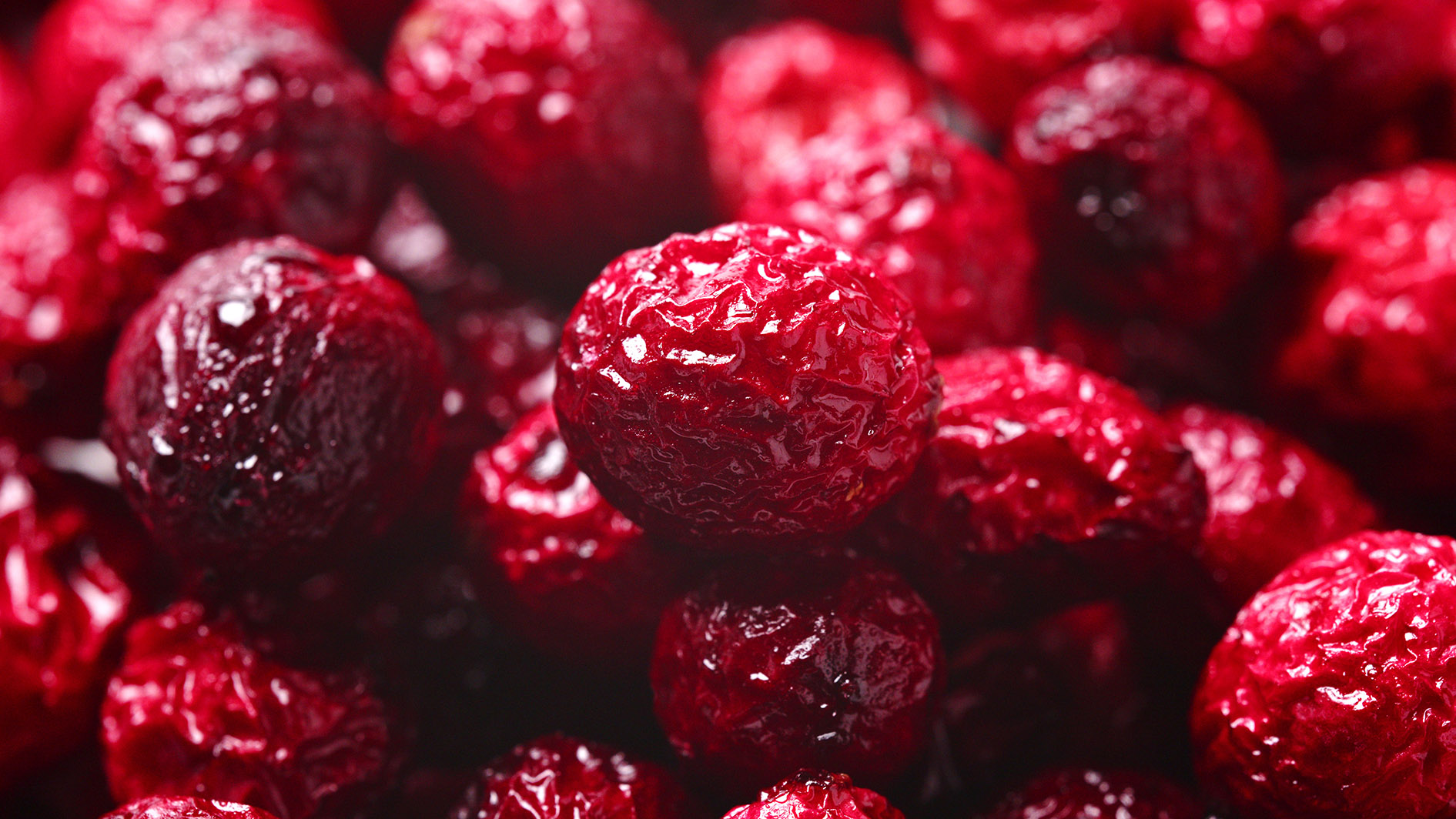
Dried fruit can be a convenient way to enjoy fruit when fresh produce is unavailable, difficult to transport or simply impractical. Yet the category is frequently reduced to two extremes. It is either described as an exceptionally healthy snack or dismissed as little more than concentrated sugar.
The evidence supports a more balanced answer.
Is dried fruit healthy? It can be. Unsweetened dried fruit may provide fiber, minerals and naturally occurring plant compounds, but removing water concentrates the fruit’s natural sugars and calories into a smaller portion. The specific fruit, serving size, added ingredients, drying method and storage conditions all matter. Harvard Health similarly concludes that the answer depends largely on the product selected and how much is eaten.
For consumers, the practical advice is straightforward. Compare serving sizes, check the ingredient list and look at the “Added Sugars” line on the Nutrition Facts label. For food manufacturers, the question extends further. The chosen fruit dehydration process can influence color, flavor, texture, nutrient retention, water activity and the types of clean label snacks that are commercially possible.
Here are five common dried fruit myths and what food science actually tells us.
Myth 1 Dried fruit is unhealthy because it is high in sugar
Dried fruit is not automatically unhealthy, but it is more concentrated than fresh fruit. When water is removed, the fruit becomes smaller while its naturally occurring sugars and calories remain. This means a small handful may represent considerably more fruit than its size suggests.
The important distinction is between total sugar and added sugar. The FDA defines total sugars as both the sugars naturally present in foods such as fruit and any sugars added during processing. Added sugars include ingredients such as sucrose, dextrose, syrups, honey and certain concentrated fruit or vegetable juices. Naturally occurring fruit sugars are not classified as added sugars.
An unsweetened raisin, date or dried apricot will therefore contain concentrated natural sugar even if its Added Sugars value is zero. A sweetened dried cranberry, mango or fruit snack may contain natural fruit sugar plus additional sweeteners.
What should consumers look for?
- Check the serving size, not just the calories per package.
- Compare Total Sugars with Includes Added Sugars.
- Read the ingredient list for sugar, syrups, juice concentrates or sweetened coatings.
- Treat a small serving of dried fruit as the equivalent of a larger volume of fresh fruit.
Current U.S. dietary guidance considers one-quarter cup of dried fruit equivalent to one-half cup of fruit. A review published in Nutrients notes that many countries recommend dried-fruit serving sizes of approximately 20 to 30 grams per day.
Dried fruit can still be one of several healthy snack alternatives, especially when it replaces candy or other products with few nutrients. But it should not be treated as an unlimited food merely because fruit is the first ingredient. Portion size matters.
Myth 2 Drying removes all or most of the nutrients
Drying does not remove every nutrient, but it does change the nutritional profile. Nutrient retention varies according to the fruit, nutrient, pretreatment, temperature, oxygen exposure, processing time, drying technology, packaging and storage.
Fiber and minerals generally remain in the dried food, although their concentration per serving changes as water is removed. Dried fruits may also contain phenolics, carotenoids and other phytochemicals, but the amounts vary substantially by fruit and processing method. Heat- and oxygen-sensitive nutrients such as vitamin C are more vulnerable. [mdpi.com]
That is why broad claims such as “drying preserves all nutrients” or “dried fruit has no nutritional value” are both misleading.
A peer-reviewed study by Mohammadi and colleagues compared Radiant Energy Vacuum, or REV™, drying with air drying and commercial freeze drying for broccoli, orange slices and carrots. Under the protocols used in that study:
- REV-dried broccoli lost 4.6% of its measured vitamin C during drying, compared with 66.4% for air-dried broccoli.
- REV-dried orange lost 16.9% of its measured vitamin C, compared with 33.3% for air-dried orange.
- Freeze-dried carrots retained the most measured beta-carotene, followed by REV-dried and then air-dried carrots.
- REV significantly reduced processing time and received the strongest overall sensory scores for the products tested, while freeze drying delivered the best rehydration performance. [mdpi.com]
These findings are promising, but they are product- and protocol-specific. They should not be interpreted as proof that one method always preserves every nutrient better for every fruit.
The practical conclusion is that dried fruit benefits depend partly on how the product was made. Nutrient targets should be validated on the actual fruit, formulation and commercial process rather than assumed from the technology name alone.
Myth 3 Dried fruit always contains added sugar or preservatives
Some dried fruit contains added sugar, sulfites, oil or other ingredients, but many products do not. Single-ingredient and clean label snacks are possible when the fruit, process, packaging and food-safety plan support them.
Sulfiting agents may be used to help control discoloration or oxidation in certain dried foods. Under U.S. regulations, a sulfiting agent present in a standardized finished food at a detectable concentration of 10 parts per million or more must be declared on the label.
Other products may use oil to reduce sticking, sweeteners to balance acidity, or coatings and seasonings to create a particular eating experience. That does not mean those ingredients are present in every dried-fruit product.
Consumers can quickly check:
- The ingredient list A single-ingredient product may list only the fruit. A seasoned or formulated snack will naturally have a longer list.
- The Added Sugars line This distinguishes naturally occurring fruit sugars from sugars introduced during processing.
- Sulfite declarations People who are sensitive to sulfites should pay particular attention to the label.
For manufacturers, “clean label” should be treated as a product-development objective rather than an automatic property of dehydration. Fruit variety, browning reactions, pretreatment, target texture, water activity and packaging may all influence whether a product can meet its commercial and sensory goals without additional ingredients.
Myth 4 Dried fruit is automatically shelf stable
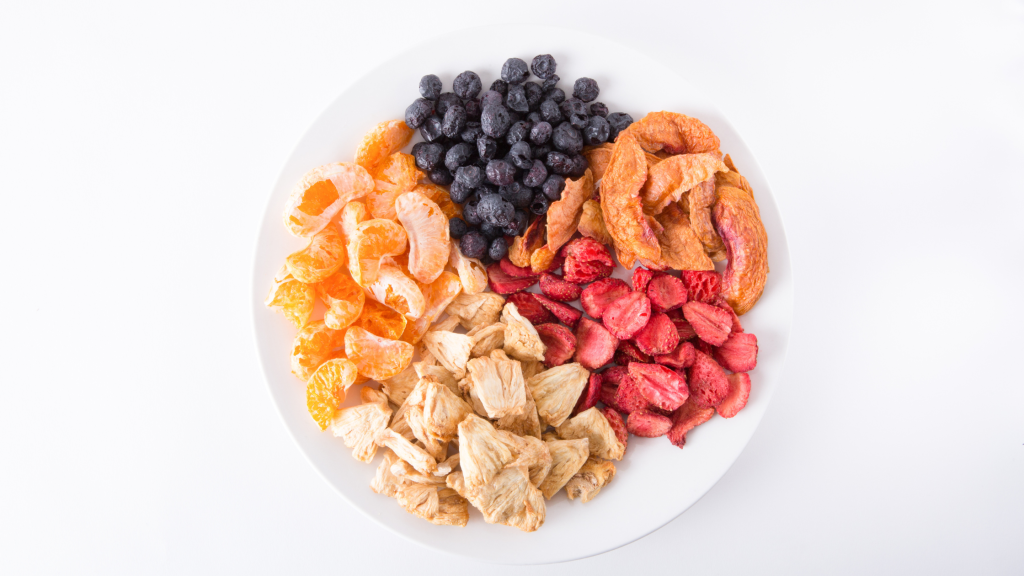
Removing moisture can support shelf life, but dehydration alone does not guarantee a safe, stable product. The final water activity, packaging, oxygen exposure, sanitation, storage temperature and validated food-safety controls remain important.
Moisture content and water activity are related, but they are not the same measurement.
- Moisture content describes how much total water is present.
- Water activity, written as aw, describes how available that water is for microbial growth and other reactions.
The FDA defines water activity as the ratio between the vapor pressure of water in a food and the vapor pressure of pure water under the same conditions. It notes that lowering available moisture can inhibit bacterial, yeast and mold growth and that water activity must be brought to an appropriate level during drying and maintained during storage.
The often-cited aw value of 0.85 is a regulatory threshold in specific contexts. It is not a universal target that by itself guarantees the quality or safety of every dried fruit. Some molds and yeasts can tolerate relatively dry conditions, while oxidation, moisture migration, loss of crunch and nutrient degradation may still occur.
This is why commercial food drying also requires:
- representative water-activity testing
- suitable moisture- and oxygen-barrier packaging
- shelf-life studies
- control of post-process contamination
- storage and distribution validation
- compliance with the applicable food-safety plan and regulations
Shelf life is therefore a property of the complete product and process, not the dryer alone.
Myth 5 All dried fruit is essentially the same
Two products made from the same fruit can be very different. Fruit variety, ripeness, slice thickness, pretreatment, drying conditions, final moisture and packaging can alter flavor, color, density, structure and texture.
The drying technology also matters.
| Commercial drying method | How it removes water | Common product-development considerations |
|---|---|---|
| Air drying | Heated air moves across the product and removes moisture primarily from the surface | Accessible and widely used, but extended heat and oxygen exposure may increase shrinkage, browning or losses of sensitive compounds |
| Commercial freeze drying | The product is frozen, then ice is removed by sublimation under vacuum | Often produces a porous, light product with strong rehydration performance, but cycles can be long and texture is typically crisp or airy |
| REV™ vacuum microwave dehydration | Microwave energy heats moisture throughout the product while vacuum lowers the boiling point of water | Rapid processing, precise moisture control and the potential to develop crunchy, chewy or puffed textures, depending on the product and protocol |
EnWave’s REV™ process combines microwave energy with a vacuum environment. The vacuum lowers water’s boiling point, while microwave energy is absorbed volumetrically within the material. Pressure and microwave power can be adjusted to manage temperature and final moisture.
The following diagram illustrates why these processes can lead to different product structures and sensory outcomes.
Figure 1: Three commercial fruit-dehydration pathways remove water through different physical mechanisms, which helps explain why processing time, appearance, texture, and nutrient retention can vary by product and protocol.
No method is universally best. Commercial freeze drying can be well suited to products requiring highly porous structures or rapid rehydration. Air drying remains useful for cost-sensitive applications and familiar chewy formats. REV™ may be particularly attractive when a manufacturer wants shorter processing cycles, concentrated flavor, vibrant appearance, precise final moisture or greater texture flexibility.
The right choice begins with the intended product, not with a predetermined technology.
What dried avocado and tropical fruit snacks show about product innovation
Commercial case studies are useful because they demonstrate what fruit preservation technology can enable. They should not be interpreted as evidence that one snack is inherently healthier than another.
BranchOut turns avocado into a shelf-stable snack
BranchOut Food has used REV™ technology in the development of dried avocado products and other fruit and vegetable snacks. Its portfolio includes crispy avocado slices, pineapple products, banana formats, bell pepper crisps and Brussels sprout snacks. The company’s public product messaging emphasizes no added sugar and selectable crunchy, chewy or airy textures.
BranchOut’s avocado work is especially relevant to food innovation because avocado is a high-fat fruit that is difficult to convert into an appealing shelf-stable snack. Its commercial materials describe real avocado slices dried to a crisp following several years of product development.
The takeaway is not that dried avocado should replace fresh avocado. It is that controlled fruit dehydration can create a format that fresh produce cannot provide, opening new options for portability, shelf life, texture and merchandising.
Solve develops a scalable tropical fruit platform
Solve Solutions, operating as Solve Foods in Brazil, purchased a 10 kW REV™ machine and obtained rights to use the technology for selected fruits, vegetables and cheese products. Its public portfolio includes strawberries, pineapple, mango, banana, beet, carrot and ginger, with a business model serving both finished consumer products and ingredient markets.
Together, BranchOut and Solve illustrate how startups and established manufacturers can use drying technology as a platform for product innovation, not merely as a preservation step.
How manufacturers can select a fruit dehydration process
Before choosing microwave drying equipment, an air dryer or a commercial freeze-drying system, define the finished-product requirements.
Consider:
- Ingredient and nutrition targets Identify the nutrients or bioactive compounds that should be measured before and after processing.
- Texture Decide whether the product should be chewy, crisp, airy, dense, puffed or designed for rehydration.
- Color, flavor and aroma Establish acceptable changes and validate them through instrumental and sensory testing.
- Clean label requirements Determine whether added sugar, sulfites, oils, carriers or processing aids are acceptable.
- Water activity and shelf life Set validated targets for safety, texture and storage stability.
- Packaging and distribution Account for oxygen, humidity, light, temperature and expected handling.
- Commercial scale Compare throughput, labor, equipment footprint, batch consistency and the path from pilot trials to production.
This product-first framework helps R&D teams avoid selecting a drying technology based on a single claim or laboratory sample that may not translate to full-scale food processing.
Frequently asked questions
Does dried fruit have more sugar than fresh fruit?
Dried fruit contains more sugar per gram or cup because water has been removed. Unsweetened dried fruit does not necessarily contain added sugar, however. Check the serving size, ingredient list and Added Sugars line.
Does dried fruit lose vitamins?
Some nutrients are reduced during dehydration, particularly heat- and oxygen-sensitive nutrients such as vitamin C. Retention depends on the fruit, pretreatment, drying method, processing time and storage conditions.
Are sulfites necessary in dried fruit?
No. Some processors use sulfites to manage color or oxidation, but single-ingredient products can be made without them when the fruit, process, packaging and safety requirements allow. Read the label to confirm.
Does dried fruit count as fruit?
Yes. U.S. dietary guidance includes dried fruit within the fruit group, with one-quarter cup of dried fruit counting as approximately one-half cup of fruit.
Is dried fruit shelf stable?
It can be, but shelf stability must be validated. Final water activity, packaging, oxygen exposure, storage conditions and post-process handling all influence safety and quality.
Which drying method preserves fruit quality best?
There is no universal winner. Commercial freeze drying, air drying and vacuum microwave dehydration create different structures and quality attributes. The best method depends on the fruit and the desired nutrition, texture, flavor, appearance, shelf life, throughput and cost.
Is vacuum microwave drying the same as freeze drying?
No. Freeze drying removes ice through sublimation after the product is frozen. REV™ vacuum microwave dehydration uses microwave energy under reduced pressure to evaporate water at a lower temperature. Both operate under vacuum, but their mechanisms and resulting product structures differ.
Better dried fruit starts with better product development
Dried fruit can be nutritious, convenient and enjoyable, but the details matter. Portion size, naturally occurring versus added sugars, ingredients, processing method and the specific fruit should all inform the choice.
For food startups, manufacturers, R&D teams and commercial decision-makers, those same details can become product-development opportunities. If you are evaluating fruit dehydration, clean label snacks, commercial food drying, microwave drying equipment or alternatives to commercial freeze drying, EnWave can help you test your product, define the right texture and moisture targets, and build a path from concept to commercial production.
Explore what REV™ vacuum microwave dehydration could make possible for your next fruit or snack product at EnWave.net.
Further Reading
- Harvard T.H. Chan School of Public Health — Fruit and Nutrition
https://nutritionsource.hsph.harvard.edu/food-features/fruits-and-vegetables/ - FDA — Added Sugars and the Nutrition Facts Label
https://www.fda.gov/food/nutrition-facts-label/added-sugars-nutrition-facts-label - FDA — Water Activity in Foods
https://www.fda.gov/inspections-compliance-enforcement-and-criminal-investigations/inspection-technical-guides/water-activity-aw-foods - Mohammadi et al. — Impact of Three Different Dehydration Methods on Nutritional Values and Sensory Quality
https://pmc.ncbi.nlm.nih.gov/articles/PMC7602416/ - EnWave — REV™ Technology
https://www.enwave.net/about/rev/ - EnWave — Case Studies
https://www.enwave.net/case-studies/

