

What to Look for in Vacuum Microwave Drying?
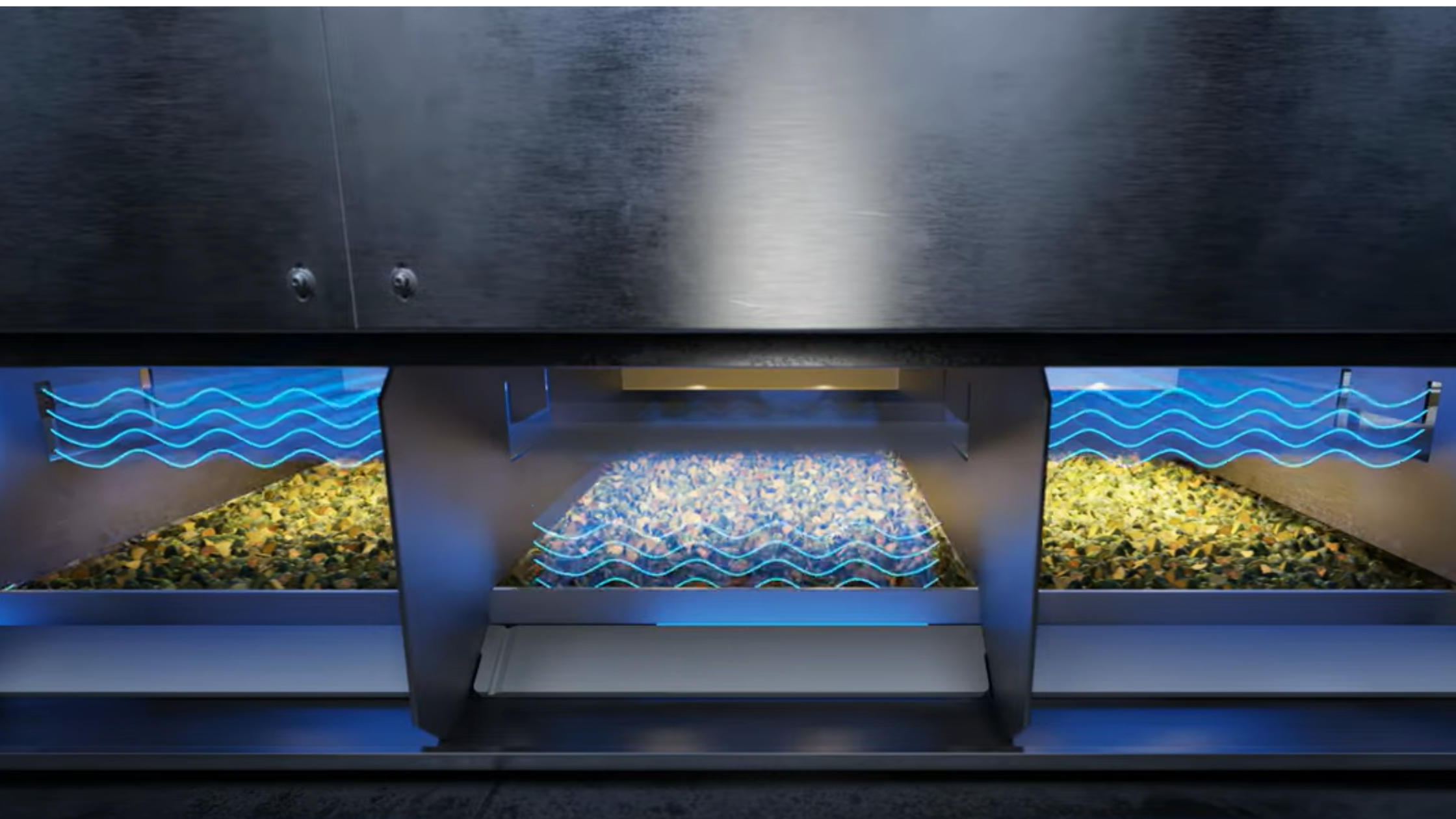
Vacuum microwave drying technology is gaining traction as a faster, lower-temperature alternative to freeze drying and hot-air methods. The right system should deliver consistent nutrient preservation, scalable throughput, and reliable quality without excessive energy use. Teams evaluating options need a clear checklist to compare vendors and methods on the factors that matter most for commercial food processing.
Why is vacuum microwave drying growing in popularity?
Vacuum microwave drying is growing in popularity because it combines speed with gentle, low-temperature dehydration. The process uses vacuum pressure to lower the boiling point of water and microwave energy to heat the product volumetrically, which removes moisture quickly without prolonged high heat.
This makes it attractive for food manufacturers who want to preserve quality while improving throughput. Compared to traditional drying methods, vacuum microwave systems can shorten cycle times from hours to minutes while maintaining color, flavor, and nutrients.
What should teams look for first?
Teams should look first at temperature range and cycle time, because these two factors drive nutrient retention and production capacity. A system that can dry at low temperatures with short cycles will generally preserve more heat-sensitive compounds and move more product through the line.
A practical starting checklist includes:
- Temperature range and control.
- Cycle time per batch or continuous run.
- Nutrient retention data for relevant products.
- Scalability from pilot to production.
- Energy use per kilogram of output.
- Vendor support and service.
If a system is weak on any of these, it may not meet the needs of a quality-focused food processing team.
How important is temperature range?
Temperature range is critical because it determines how much heat stress the product experiences during drying. Vacuum microwave systems that operate at lower effective temperatures can protect vitamins, antioxidants, and flavor compounds that degrade under prolonged heat.
REV™ drying occurs under vacuum at a pressure where water boils around 25°C, which allows gentle dehydration unless higher heat is intentionally applied. That kind of low-temperature dehydration is a key advantage for nutrient preservation and quality retention.
Why does cycle time matter?
Cycle time matters because it affects both throughput and nutrient exposure. Shorter cycles mean less time for heat-sensitive compounds to break down, and they allow more batches to run in a given period.
Freeze drying cycles often run 24 to 48 hours, while vacuum microwave drying can complete many products in 30 to 90 minutes. That difference can be decisive for teams comparing freeze dryer equipment with more scalable food processing options.
What nutrient retention data should you ask for?
Teams should ask for nutrient retention data that matches their product category and target compounds. For fruits and vegetables, vitamin C and antioxidants are common benchmarks. For dairy or protein ingredients, amino acid profile and functional properties may matter more.
Microwave vacuum-dried samples retained significantly higher levels of vitamin C and antioxidants than traditional dehydrated counterparts, and in some tests approached freeze-dried samples with far less time and energy. That kind of third-party or internal validation is useful when evaluating quality preservation technology.
How do you assess scalability?
Scalability should be assessed by looking at throughput, batch size options, and whether the system can move from pilot to production without major redesign. A good vacuum microwave drying system should offer modular capacity or continuous options that grow with demand.
REV™ supports small pilot units for R&D, medium-scale systems for growing manufacturers, and larger industrial-scale setups for commercial throughput. That kind of flexibility helps teams avoid getting stuck with a lab-only solution.
What about energy use?
Energy use matters because it affects operating cost and sustainability claims. Vacuum microwave drying can be more energy efficient than freeze drying because it removes moisture faster and does not require long refrigeration cycles.
Teams should compare energy per kilogram of dried product, not just machine power ratings. A system that dries faster at lower total energy can reduce cost and environmental impact over time.
Why is vendor support important?
Vendor support is important because drying technology is only as good as the team behind it. Process development, training, and ongoing service can determine whether a system delivers on its promises in real production.
EnWave offers technical consultations, pilot trials, recipe development assistance, and scaling support. For food manufacturing teams, that level of support can shorten the path from concept to commercial product.
How does REV™ meet these criteria?
REV™ meets these criteria by combining low-temperature dehydration with short cycle times and modular scale. The process can control pressure and microwave power density to manage both temperature and final moisture, which supports consistent quality.
Key points include:
- Drying at low effective temperatures to protect nutrients.
- Cycle times often between 30 and 90 minutes.
- Nutrient retention close to freeze drying in some applications.
- Scalable from pilot to industrial systems.
- Energy use reduced by shorter cycles and no long freeze phase.
- Comprehensive vendor support for process and scale-up.
For teams evaluating vacuum microwave drying technology, that combination addresses the main decision factors.
How does this compare with freeze dryer equipment?
Compared with freeze dryer equipment, vacuum microwave drying generally offers faster cycles and lower energy use while maintaining strong quality. Freeze drying can preserve structure very well, but it is often slower and more capital intensive.
For many food processing applications, the trade-off favors vacuum microwave drying when speed, scalability, and operating cost are central to the business case. That is why it is increasingly positioned as a practical alternative to commercial freeze drying.
What role does this play in food innovation?
This plays a central role in food innovation because the drying method shapes what products are possible. A technology that preserves quality and scales well allows teams to develop new formats, flavors, and ingredient systems without being held back by processing limits.
For companies working on functional ingredients, alternative proteins, or premium snacks, that flexibility is a strategic advantage. It turns drying from a bottleneck into an enabler of product development.
Conclusion
When evaluating vacuum microwave drying technology, the best approach is to focus on temperature range, cycle time, nutrient retention, scalability, energy use, and vendor support. Systems that perform well on all six factors are more likely to deliver consistent quality and commercial viability.
REV™ fits that checklist by offering low-temperature dehydration, short cycles, and modular scale with strong nutrient and quality retention. For food processing teams comparing drying methods, the simple rule is to choose the technology that preserves quality and scales with the business.
FAQ
What is vacuum microwave drying technology?
It is a drying method that combines vacuum pressure and microwave energy to remove moisture quickly at lower temperatures than many conventional methods.
Why is low-temperature dehydration important?
Low-temperature dehydration helps protect heat-sensitive nutrients, flavors, and colors that can degrade under prolonged high heat.
How does cycle time affect quality?
Shorter cycle times reduce heat exposure and allow more throughput, which supports both nutrient preservation and production efficiency.
Is vacuum microwave drying scalable?
Yes. Systems like REV™ offer pilot, medium, and industrial-scale options that can grow with demand.
How does it compare with freeze dryer equipment?
It is generally faster and more energy efficient while maintaining strong quality, making it a practical alternative for many food processing applications.
What should teams ask vendors?
Teams should ask for temperature range, cycle time, nutrient retention data, scalability options, energy use per kilogram, and details on support and service.
Further reading
EnWave How does EnWave’s REV technology work? Common questions explained
EnWave Is dehydrated food still nutritious?
EnWave Freeze dry comparison
Vitafoods Insights REV the next frontier in functional ingredient drying
StockCellar Is dehydrated food still nutritious?
https://stockcellar.com/is-dehydrated-food-still-nutritious
Scribd REV Technology overview