
Are Freeze-Dried Dog Treats Safe?
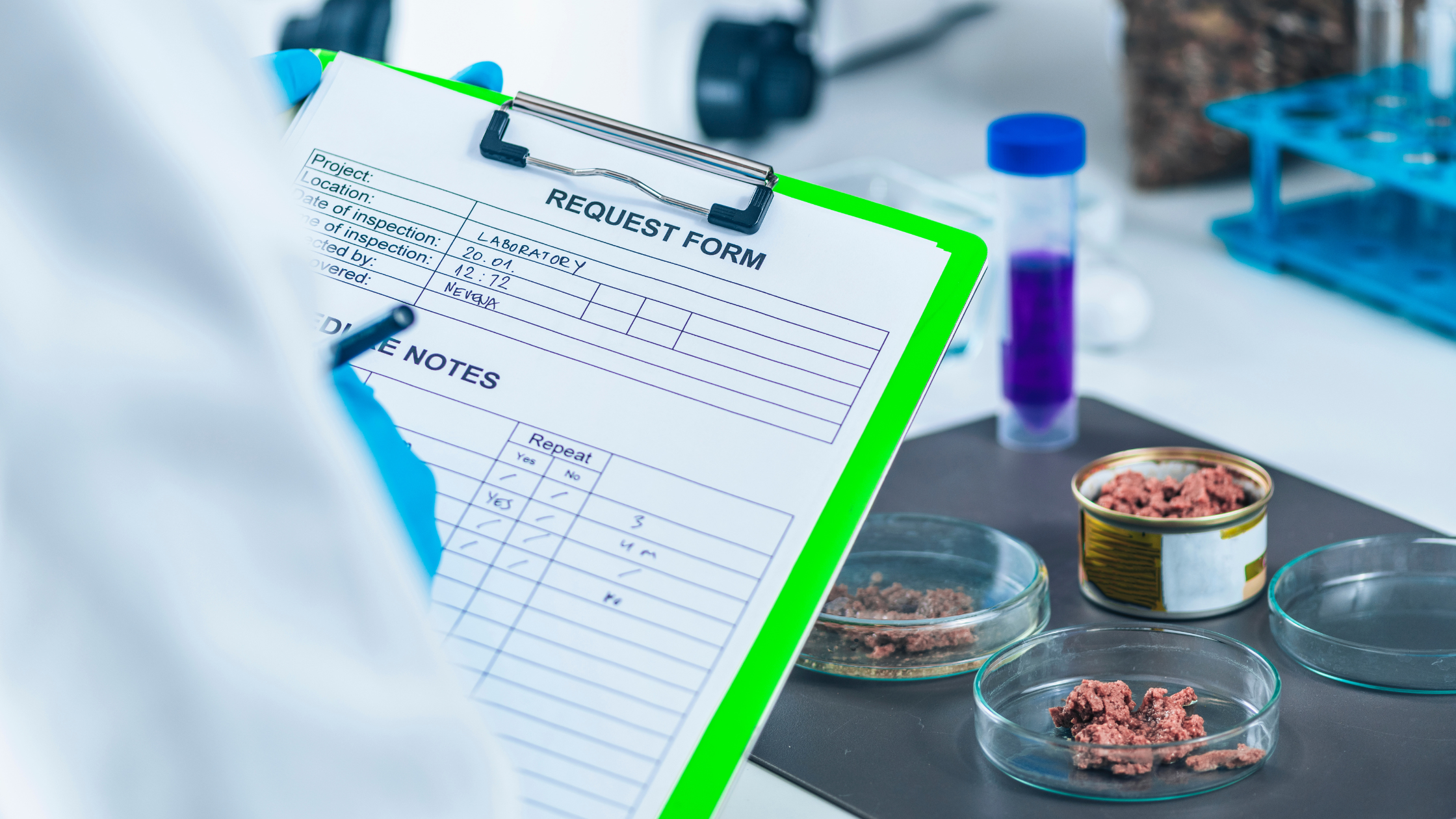
Freeze-dried dog treats can be safe, but freeze drying alone does not make a raw animal-derived treat pathogen-free. Freeze drying removes water and can inhibit microbial growth, yet microorganisms already present may survive. Cornell University notes that freeze drying is not equivalent to cooking, while U.S. FDA sampling has found Salmonella and Listeria monocytogenes in commercial raw pet foods.
For manufacturers, the safer question is not simply, “Which dryer should we use?” It is, “How will our complete process control biological hazards, achieve the required water activity, prevent recontamination, and protect the product through distribution?” Under FDA’s animal-food preventive-controls framework, facilities must identify relevant hazards and implement written controls that significantly minimize or prevent them.
The next generation of shelf-stable pet treats should therefore be built around validated lethality where required, controlled drying, hygienic manufacturing, verification, and suitable packaging. Drying technology is an important part of that system, but it should not be treated as the entire safety system.
Why does the raw-treat question matter?
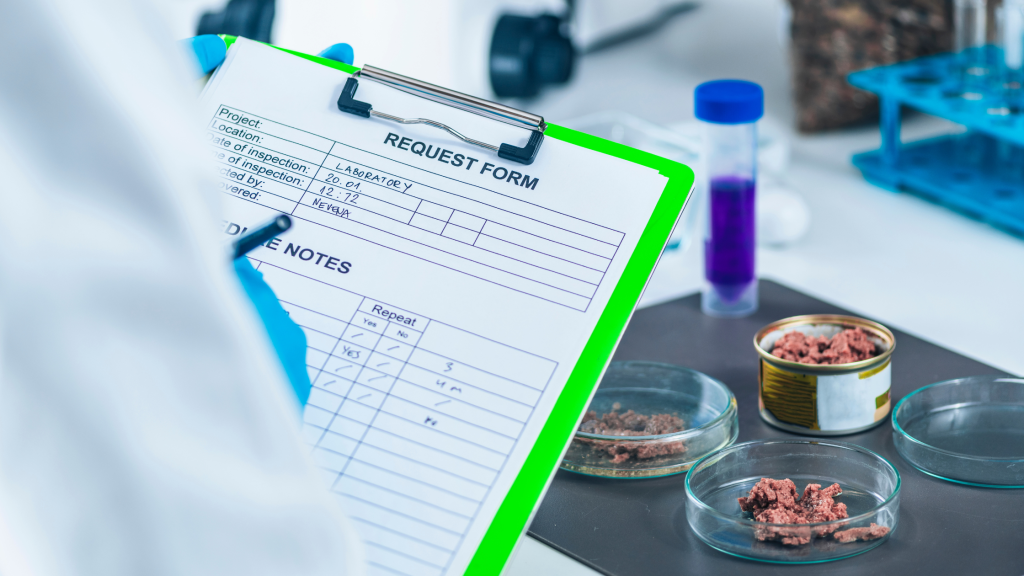
A dried treat may look cooked even when it is not. Raw meat ingredients can be sold frozen, dehydrated, or freeze-dried, and the finished product may sit beside cooked treats in a shelf-stable package. The Public Health Agency of Canada specifically includes dehydrated and freeze-dried products within its definition of raw pet foods when they have not been heated to temperatures that typically kill bacteria.
This distinction matters because pets and people can both be exposed. FDA states that raw pet food was more likely to contain disease-causing bacteria than other pet foods in its study. Of 196 commercial raw pet-food samples, 15 tested positive for Salmonella and 32 for L. monocytogenes.
Dried treats are not exempt from the issue. A 2023 exploratory study of 84 non-heat-treated dried meat dog treats found Salmonella in 16% of samples, although the authors cautioned that the sample and number of retail sources were limited. FDA also posted a 2025 recall involving freeze-dried pet treats after agency sampling detected Salmonella.
The practical conclusion is straightforward. “Raw,” “dried,” and “shelf-stable” describe different product attributes. None, by itself, proves that a product has received a validated pathogen-reduction treatment.
Does freeze drying kill Salmonella?
Commercial freeze drying should not automatically be described as a Salmonella kill step. The process freezes a product, places it under vacuum, removes ice through sublimation, and then removes additional bound water during secondary drying. Those stages are designed principally for dehydration and preservation rather than sterilization.
Low moisture prevents many microorganisms from actively multiplying, but it does not guarantee that organisms already present have been destroyed. Research literature shows that Salmonella can persist in low-water-activity foods for long periods, and survival is influenced by the food matrix, temperature, water activity, strain, and inoculation conditions.
That does not mean every freeze-dried treat is unsafe. A manufacturer may pair freeze drying with cooking, irradiation, high-pressure processing, or another scientifically validated intervention. The critical point is that the complete process and product must support the safety claim, rather than relying on the name of the drying technology.
FDA recommends validating any treatment used to adequately reduce Salmonella in direct-human-contact animal food. It also warns that a negative finished-product result does not necessarily negate a confirmed positive result because contamination may not be distributed uniformly throughout a lot.
What does water activity tell a pet-treat manufacturer?
Water activity measures how much water is available to participate in microbial, chemical, and physical reactions. It is not the same as total moisture content. Two treats with similar moisture percentages can have different water activities because ingredients bind water differently.
Lowering water activity can inhibit the growth of bacteria, yeasts, and molds and can contribute to shelf stability. It can also affect texture, caking, oxidation, aroma, and moisture migration between ingredients. FDA states that water activity must be brought to a suitable level at the conclusion of drying and maintained within an acceptable range during storage.
What water activity does not tell us is whether every pathogen originally present has been killed. A low-water-activity product may prevent microbial growth while still containing viable organisms. That is why water-activity control and pathogen reduction must remain separate elements in a pet food microbial safety plan.
Manufacturers should also avoid presenting one number as universally safe for all shelf-stable pet treats. The appropriate specification depends on the formulation, pH, protein and fat matrix, desired texture, expected storage conditions, packaging, relevant organisms, and applicable regulations. Product-specific studies and competent technical review should establish both upper and, where quality requires it, lower operating limits.
What controls should work together?
A robust dog treat food safety system uses multiple controls, with each one performing a distinct function.
| Control | Primary role | What it should not be assumed to do |
|---|---|---|
| Moisture removal | Removes water, reduces weight, and helps create the intended texture. | It does not automatically prove pathogen destruction.fda+1 |
| Water-activity control | Limits the water available for microbial growth and helps support shelf stability. | It does not guarantee that existing microorganisms have been eliminated.fda+1 |
| Validated kill step | Delivers a scientifically supported pathogen reduction for the specific product and hazard. | It does not protect the product from later recontamination.fda+1 |
| Hygienic manufacturing | Controls cross-contamination from equipment, employees, raw materials, and the environment. | It cannot compensate for an inadequate lethality process.ecfr+1 |
| Packaging and storage | Helps maintain water activity and protects against moisture, oxygen, damage, and environmental exposure. | Packaging cannot make an unsafe product safe.enwave+1 |
FDA’s rule for animal food explicitly recognizes process controls, sanitation controls, supply-chain controls, and recall planning as different components of preventive control. Sanitation controls must address food-contact surfaces and cross-contamination from raw product, personnel, packaging, and insanitary objects.
Where can REV™ support the process?
REV™ is EnWave’s vacuum microwave dehydration technology. It combines microwave energy with a vacuum environment so moisture can be removed under reduced pressure. EnWave’s technology control of pressure and microwave power density to manage drying temperature and final moisture, supporting product-development work around texture, moisture, and water activity.
Compared with commercial freeze drying, the process mechanism is different. Freeze drying removes water from a frozen product primarily through sublimation. REV™ uses microwave energy to heat moisture volumetrically under vacuum, enabling controlled evaporation at reduced pressure.
Neither technology should be selected on safety assumptions alone. Commercial freeze drying may be valuable when a highly porous structure or rehydration performance is a priority. REV™ may be attractive when teams want to explore shorter drying cycles, different crunchy or chewy textures, and a path from development trials to commercial-scale equipment. Actual performance remains dependent on the product, geometry, load, formulation, target endpoint, and validated process conditions.
For EnWave, the conservative position is clear. REV™ should be presented as a controlled drying and product-development platform, not as a universal pathogen kill step. If a company intends to claim lethality from any REV™ process, that claim would need product-specific scientific evidence and appropriate validation under the intended commercial conditions.
What does a safer cooked-treat workflow look like?
For animal-derived treats, one practical strategy is to perform a validated cooking or other lethality treatment before drying. EnWave’s current chicken breast workflow begins with fully cooking the meat, sizing it for consistent drying, applying REV™ drying to a defined endpoint, and performing safety and quality checks. The chicken liver workflow likewise cooks before drying and verifies the finished product against moisture, texture, safety, and quality requirements.
A complete commercial workflow may therefore include:
- Assess ingredients and hazards: Evaluate raw-material risks, supplier controls, product formulation, reasonably foreseeable biological hazards, and intended use.
- Apply a validated lethality intervention where required: Establish the critical time, temperature, pressure, dose, or other parameters for the specific product and target organism.
- Dry to a defined moisture and water-activity endpoint: Use REV™ or another commercial food drying technology to develop the desired shelf-stability and sensory profile.
- Protect the post-lethality zone: Separate raw and treated materials, control traffic and tools, maintain sanitary food-contact surfaces, and prevent environmental or personnel-driven recontamination.
- Verify the process and finished product: Review process records, calibrate instruments, measure water activity, conduct appropriate microbiological testing, and investigate deviations.
- Validate packaging and storage: Confirm that the package maintains the required water activity, product quality, and protection across expected distribution and storage conditions.
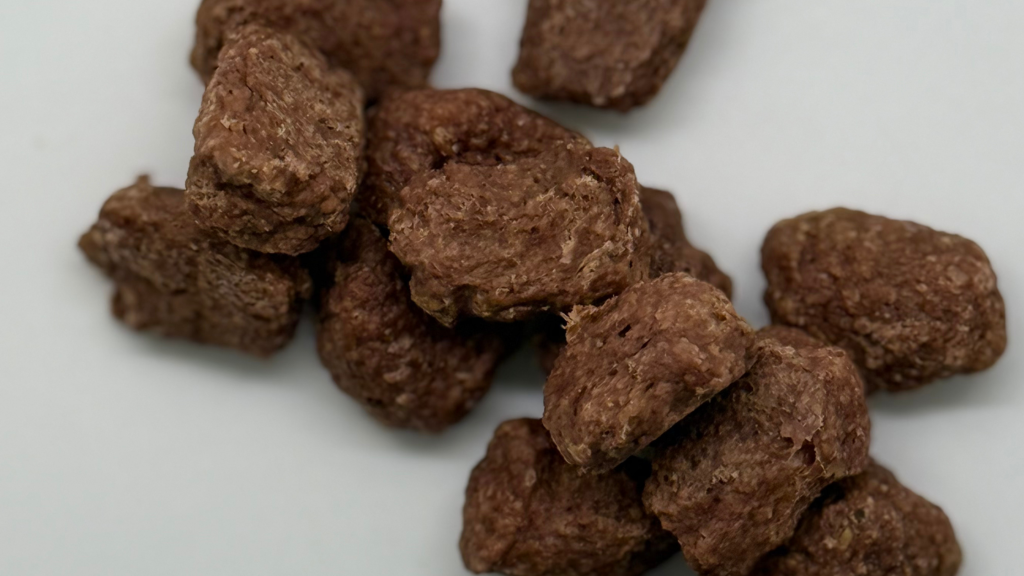
This process relationship is shown below. A kill step is intended to reduce the pathogen hazard, while drying controls moisture and water activity. Hygienic handling, verification, packaging, and storage protect the result.
How should manufacturers validate pet treat safety?
Validation asks whether a control is scientifically capable of controlling the identified hazard when implemented as designed. Verification asks whether the facility is consistently implementing that control. Under 21 CFR 507.47, validation must include evaluation of scientific and technical evidence or, where evidence is inadequate, appropriate studies.
For a cooked and dried treat, the validation package may need to address the lethality treatment, product dimensions, formulation, equipment loading, cold spots, process tolerances, and target organism. Separately, shelf-life work should confirm water activity, packaging performance, texture, oxidation, and microbiological stability throughout the intended storage period.
Finished-product testing can support verification, but it should not be the only control. FDA notes that contamination may be nonhomogeneous, making an isolated negative sample an incomplete assurance of lot safety. Preventive controls, environmental management, traceability, corrective action, and testing should work together.
Questions to ask a pet-treat manufacturer
Commercial buyers, R&D teams, and brand owners should ask:
- What is the final water activity, and how was the specification established?
- Is there a validated pathogen-reduction step for animal-derived ingredients?
- Which organism and reduction target were used in the validation?
- How are time, temperature, pressure, dose, or other critical parameters monitored?
- How is the finished product tested or otherwise verified?
- How is post-process contamination controlled?
- Are raw and post-lethality areas, tools, and personnel flows separated?
- What packaging barrier and closure-integrity requirements apply?
- What storage conditions and shelf-life limits are validated?
- What happens when a process, environmental, or product result is out of specification?
Frequently asked questions
Are freeze-dried dog treats safe?
They can be safe when the manufacturer controls relevant hazards through a complete, validated process. Freeze drying alone should not be treated as proof that a raw treat is pathogen-free.
Does freeze drying kill Salmonella?
Not reliably as a general rule. It removes water and limits growth, but Salmonella may survive drying and low-water-activity storage.
Does low water activity kill bacteria?
Low water activity primarily inhibits growth. It does not necessarily eliminate bacteria already present in the product.
Are raw freeze-dried treats safer than raw frozen food?
Drying changes storage and growth conditions, but it does not automatically remove the biological hazards associated with raw ingredients. Safety depends on validated pathogen controls, hygienic production, verification, packaging, and handling rather than format alone.
What is a kill step?
A kill step is a validated thermal or nonthermal intervention designed to reduce a specific pathogen hazard to an appropriate level. FDA requires preventive-control validation to be based on scientific and technical evidence or suitable studies.
Does cooking before drying improve shelf stability?
Cooking and drying address different objectives. Cooking can provide pathogen reduction when properly validated, while drying and water-activity control help prevent growth and support shelf stability. Both must be integrated with hygienic handling and packaging.
Is REV™ a pathogen kill step?
REV™ is a vacuum microwave dehydration technology used to control moisture, water activity, and product characteristics. It should not be described as a universal kill step without product-specific validation demonstrating the required pathogen reduction under commercial conditions.
A safer direction for pet treat innovation
The future of premium pet treats is not defined by choosing between “raw” and “processed” language. It is defined by building products that combine safety, shelf stability, texture, palatability, and commercially repeatable processing.
At EnWave, we see REV™ as one component of that strategy. Our product-development platform allows pet food manufacturers to explore moisture endpoints, crunchy and chewy textures, formulations, equipment configurations, and scale-up options while keeping pathogen control and food safety validation in their proper place.
If your team is evaluating microwave drying equipment, commercial food drying, or an alternative to commercial freeze drying, contact EnWave to discuss product trials and a process-development pathway for your next shelf-stable pet treat.
Further Reading
- FDA Raw Pet Food Safety and Pathogen Findings
https://www.fda.gov/animal-veterinary/animal-health-literacy/get-facts-raw-pet-food-diets-can-be-dangerous-you-and-your-pet - Cornell University Raw Foods for Dogs
https://www.vet.cornell.edu/departments-centers-and-institutes/riney-canine-health-center/canine-health-topics/raw-foods-dogs-evidence-based-advice-riney-canine-health-center - Health Canada Raw Pet Food Safety
https://www.canada.ca/en/health-canada/services/publications/food-nutrition/raw-pet-safety.html - FDA Water Activity in Foods
https://www.fda.gov/inspections-compliance-enforcement-and-criminal-investigations/inspection-technical-guides/water-activity-aw-foods - FDA Preventive Controls for Animal Food
https://www.ecfr.gov/current/title-21/chapter-I/subchapter-E/part-507 - Peer-Reviewed Study Salmonella in Dried Meat Dog Treats
https://pubmed.ncbi.nlm.nih.gov/36715168/ - EnWave Production Scaling
https://www.enwave.net/solutions/production-scaling/

