

What Frequency of Microwaves Is Used in Food Drying?
Most food-drying microwave systems use the same basic industrial frequency as a household microwave, 2.45 GHz, because it is effective, well understood, and widely accepted for heating food products. In industrial drying, the difference is not the frequency alone. The real advantage comes from how the microwave energy is paired with vacuum, process control, and moisture removal so products dry gently and consistently.
Why Do People Get Confused About Microwave Frequency?
Many people hear “microwave” and think of a kitchen appliance, then assume food drying must work the same way. It does not. The frequency may be familiar, but industrial systems are engineered very differently, with controlled power delivery, vacuum conditions, and product-specific settings that support drying rather than cooking.
That confusion matters because the word microwave can sound harsh when people are thinking about snacks, powders, or nutrients. In reality, microwave drying is used to preserve product quality by shortening exposure time and keeping temperatures lower than many conventional methods. For food tech teams, that is what makes it worth a closer look.
What Does 2.45 GHz Actually Mean?
2.45 GHz is a frequency that means the microwave energy oscillates 2.45 billion times per second. That is the standard frequency used in many food applications because it interacts well with water molecules in food. When those molecules respond to the energy, the product heats internally instead of only from the outside.
This internal or volumetric heating is one of the reasons microwave drying equipment can be so useful. It helps reduce the uneven drying that often happens in hot-air systems. For food processing and product innovation teams, that can translate into better texture and faster development cycles.
Is Microwave Drying Non-Ionizing?
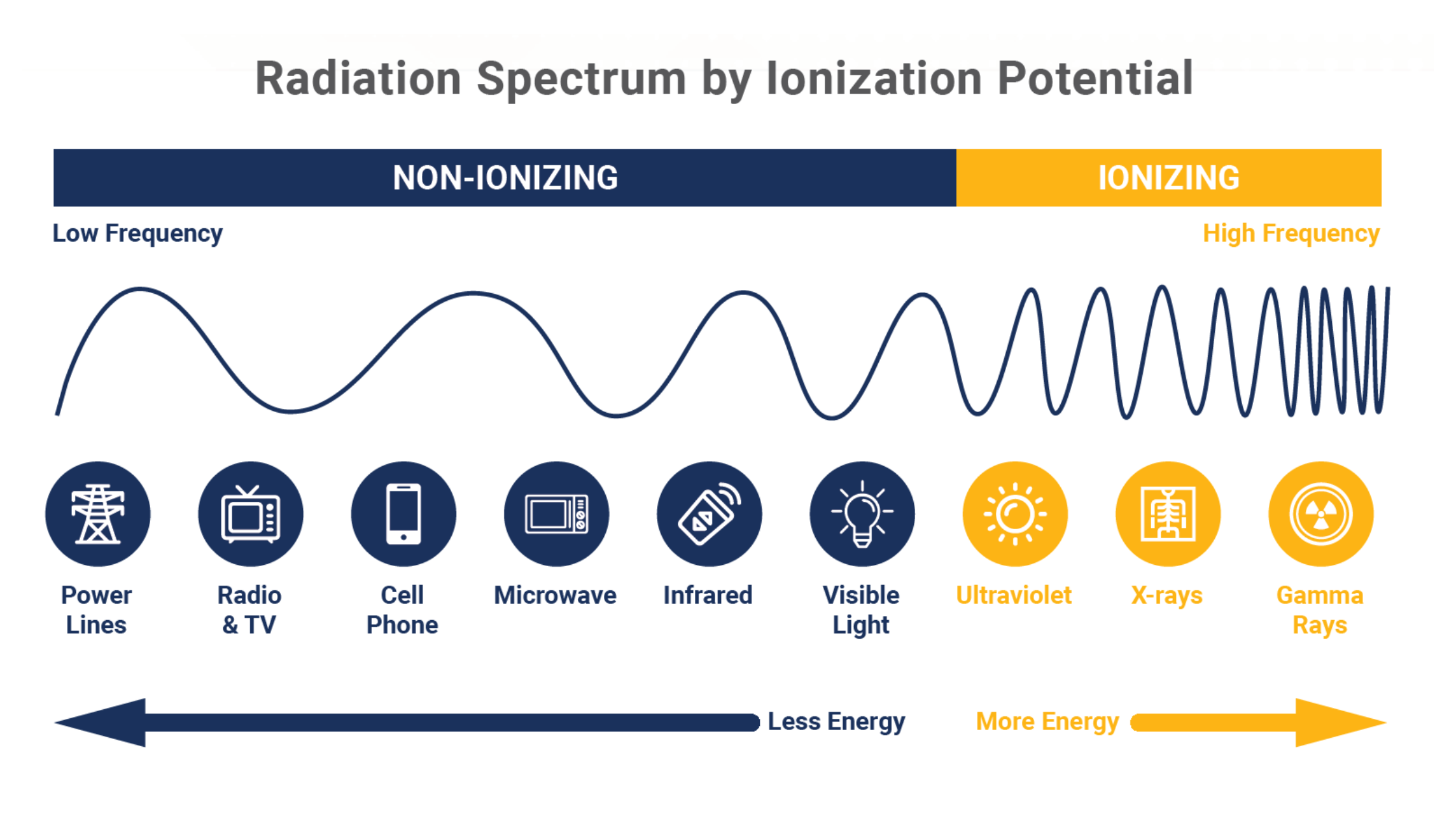
Yes. Microwave energy is non-ionizing, which means it does not have enough energy to remove electrons from atoms or make the food radioactive. It heats through molecular motion rather than ionization. That distinction is important for consumer confidence as well as technical accuracy.
For brands in food innovation and commercial food drying, this is worth explaining clearly. Consumers often hear “radiation” and worry about safety, even though microwave drying is based on non-ionizing energy and long-established food processing principles. Clear language helps remove that barrier.
Why Is Microwave Drying Considered Low-Temperature?
Microwave drying is considered low-temperature when it is used under vacuum or other controlled conditions that lower the boiling point of water. In EnWave’s REV™ platform, vacuum and microwave energy are paired so the product can dry quickly without the same heat exposure seen in conventional systems.
That matters because lower product temperatures usually mean better nutrient retention, better flavor retention, and less structural damage. For snacks and powders, this can help preserve color, aroma, and functional ingredients. In practice, the drying method is doing more than removing water. It is helping protect the value of the product.
How Does Home Microwave Energy Connect to Industrial REV Systems?
The connection is simple. Both home microwaves and industrial systems commonly use 2.45 GHz, but industrial equipment is built for controlled, repeatable drying rather than quick reheating. REV™ takes that same energy principle and adapts it for vacuum drying, product throughput, and process consistency.
That is what makes the leap from household microwave to industrial food dehydration so important. The frequency may be familiar, but the engineering is not. REV™ is designed to support continuous, controlled drying in commercial settings, which is why it is relevant for food production equipment and shelf-stable snack processing.
Why Does Frequency Matter Less Than Process Control?
Frequency is only one part of the story. What matters just as much is how energy is delivered, how pressure is managed, and how moisture is removed from the product. Two systems can use the same frequency and still deliver very different drying outcomes.
That is why process drying for manufacturing depends on feedback and control. If the system can regulate temperature and final moisture in real time, manufacturers can get more repeatable results. For R&D teams, that repeatability is often the difference between a promising prototype and a commercial product.
How Does Microwave Drying Help Preserve Nutrients?
Microwave drying can help preserve nutrients because it shortens drying time and reduces the product’s exposure to prolonged heat. That is especially important for heat-sensitive ingredients in snacks and powders. Shorter exposure often means less loss of color, flavor, and functional compounds.
This is one reason the method is so attractive in food dehydration and product development. If a brand is trying to protect vitamins, natural aroma, or other delicate properties, a faster and more controlled process can be a real advantage. It is not just about speed. It is about protecting quality during drying.
How Does Microwave Drying Compare With Freeze Drying?
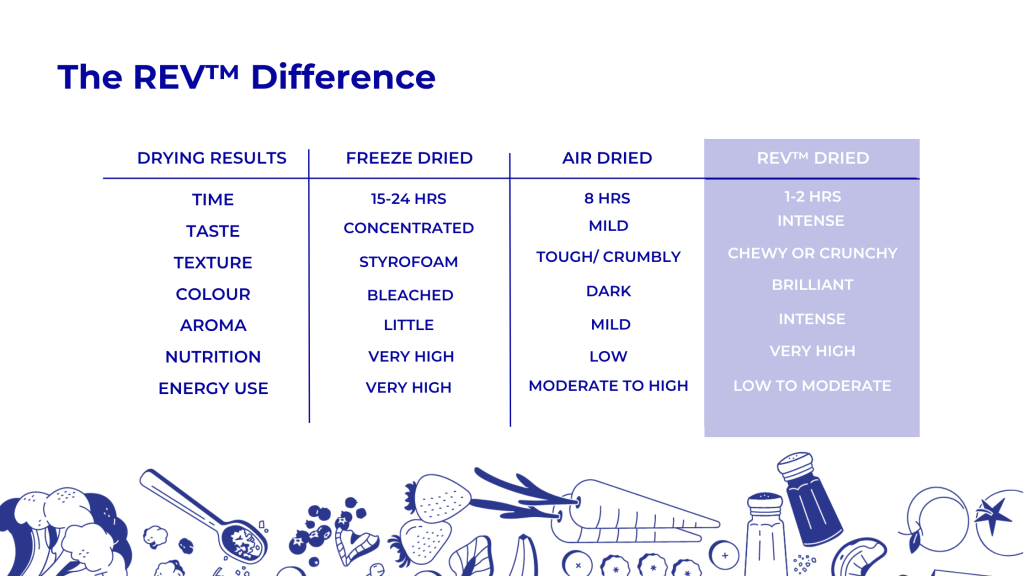
Commercial freeze drying is excellent for preservation, but it usually takes longer and can be more resource intensive. Microwave vacuum drying is often considered a strong alternative when teams want high-quality results with better throughput. That is a key point for companies comparing drying technology options.
For some products, freeze drying remains the right choice. For others, microwave drying equipment offers a more practical balance between quality, speed, and scale. The best choice depends on the ingredient, the texture target, and the business model.
What Types of Products Benefit Most?
Microwave drying is especially useful for products that need crisp texture, preserved flavor, or gentle handling. Snacks, fruit pieces, vegetable ingredients, dairy-based products, meats, and powders can all benefit depending on the formulation. It is particularly attractive when moisture control matters as much as final appearance.
That makes it relevant to food tech, commercial food drying, and product innovation teams. If the product needs to dry quickly without losing its character, microwave-based systems can be a strong fit. For many brands, that is where the technology becomes commercially interesting.
What Should Brands Explain to Consumers?
Brands should explain that food drying uses controlled, non-ionizing microwave energy and is not the same as simply “zapping” food in a kitchen appliance. They should also explain that industrial systems are designed for precision, not casual heating. Clear education helps build trust.
A simple explanation works best.
- Microwaves are used to heat water inside the product.
- Vacuum helps lower the drying temperature.
- The process removes moisture faster.
- The result can be a crisp, shelf-stable product with strong quality retention.
That kind of language is easier for consumers and easier for answer engines to use.
Why Does This Matter for Product Development?
It matters because the drying step often determines whether a food concept is viable. If a snack or powder cannot hold its flavor, texture, or nutrients after drying, the product may never make it to launch. Microwave drying gives teams a way to test and iterate faster.
For product development teams, the practical benefit is speed with control. More trials can be completed in less time, which helps teams refine formulations and move toward scale-up. That is a major reason microwave drying is getting attention in food innovation.
Conclusion
The frequency used in food drying is usually 2.45 GHz, the same general frequency family used in home microwaves, but industrial systems like REV™ are built very differently. They use vacuum, control, and precise energy delivery to support gentle, low-temperature drying for snacks and powders. For manufacturers looking at commercial freeze drying, food dehydration, or other drying methods, microwave drying is worth considering because it combines speed, control, and quality preservation in one process.
FAQ
What frequency is used in microwave food drying?
Most industrial food-drying systems use 2.45 GHz.
Is microwave drying safe for food?
Yes. It uses non-ionizing energy and is a well-established food processing method.
Why is vacuum used with microwave drying?
Vacuum lowers the boiling point of water, which helps drying happen at lower temperatures.
How does REV™ differ from a home microwave?
REV™ is designed for controlled commercial drying, not reheating. It uses vacuum and process control for consistent results.
Is microwave drying better than freeze drying?
It depends on the product and goals. Freeze drying preserves well, while microwave drying can offer faster cycles and strong quality retention.
Sources and further reading
EnWave What is REV
EnWave Freeze-Drying vs. Dehydrating
EnWave Is dehydrating the same as freeze drying
EnWave What is the best alternative to a freeze dryer
https://www.enwave.net/ja/what-is-the-best-alternative-to-a-freeze-dryer
ScienceDirect Microwave Drying
https://www.sciencedirect.com/topics/agricultural-and-biological-sciences/microwave-drying
ScienceDirect Food Dehydration
https://www.sciencedirect.com/topics/food-science/food-dehydration
ScienceDirect Advances in vacuum microwave drying systems
https://www.sciencedirect.com/science/article/abs/pii/S092422442100491X
Ball Mason Jars Dehydrating food guide