

What Are The Stages Of Food Product Development?
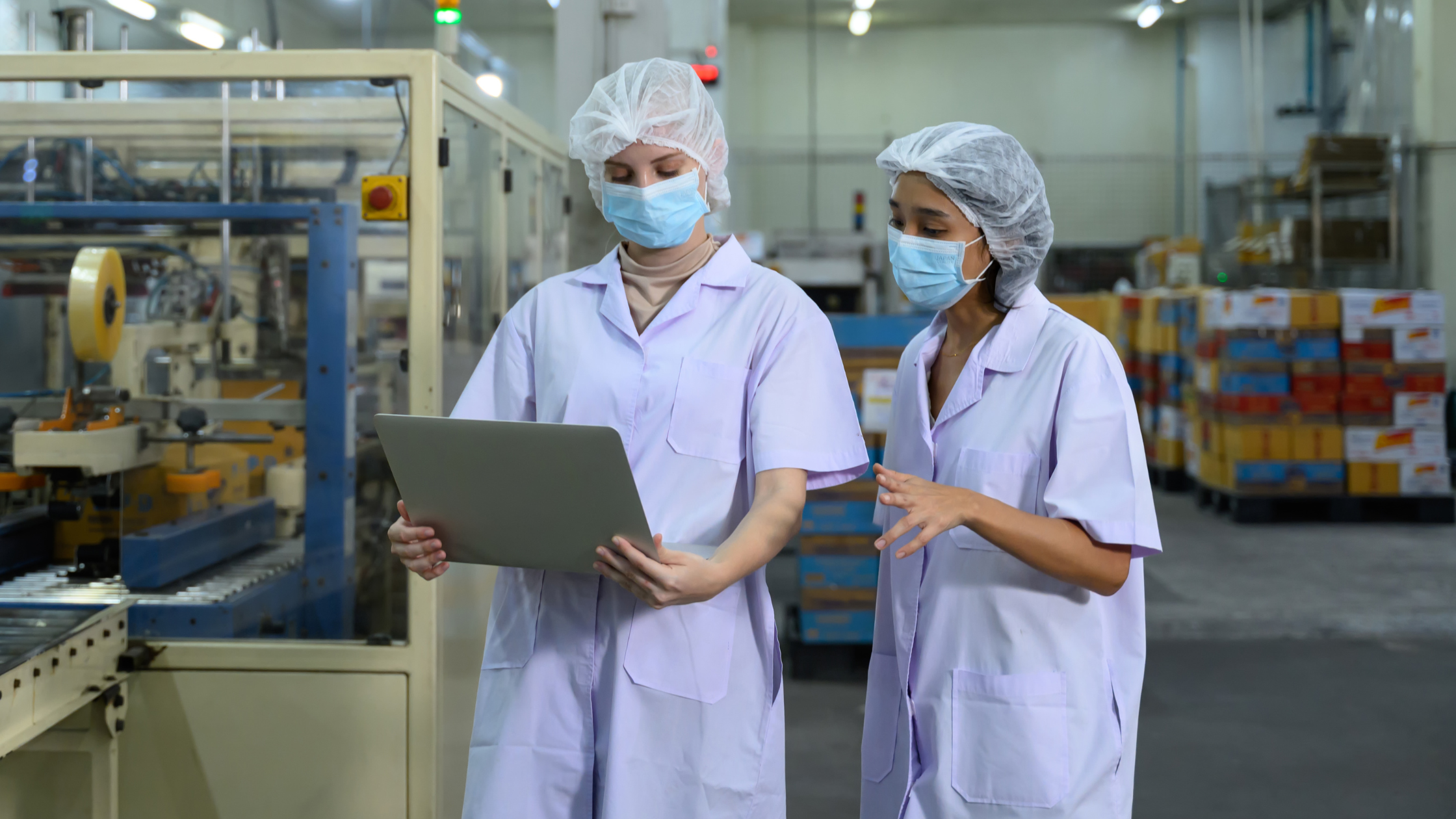
Food product development follows a structured path from spark of inspiration to grocery shelf success. Seven main stages guide the process. Ideation generates concepts. Market research validates demand. Formulation creates recipes. Prototyping tests processing like drying. Scale-up prepares manufacturing. Launch coordinates rollout. Post-launch tracks performance and feedback. Each stage builds on the last, with drying technology choices shaping prototyping and production.
Quick Overview
Ideation captures trends and ideas. Research confirms consumer interest. Formulation blends ingredients for taste and stability. Prototyping reveals how products dry and perform. Scale-up adapts recipes for commercial equipment. Launch handles packaging and marketing. Post-launch refines based on sales data. Vacuum microwave dehydration accelerates prototyping with fast cycles, helping food innovators reach market quicker than traditional methods.
What Happens During The Ideation Stage?
Ideation kicks off development by gathering raw concepts. Teams brainstorm based on trends like crunchy protein snacks or plant-based alternatives. Consumer insights, social media, and sales data spark ideas.
Keep sessions open. Write down everything. A wild idea today becomes tomorrow’s bestseller. Document sources like competitor gaps or emerging flavors.
Why Is Market Research Essential Early On?
Market research tests if ideas resonate. Surveys gauge interest in better-for-you crisps. Focus groups reveal price sensitivity. Competitor shelf scans show what’s working.
Data guides refinement. Skip popular flavors at your peril. Budget time for both quantitative surveys and qualitative conversations.
How Does The Formulation Stage Shape Product Success?
Formulation turns concepts into tangible recipes. Chefs and food scientists blend ingredients for flavor balance, texture, and nutrition. Initial mixes test small batches by hand.
Consider processing limits upfront. High-fat recipes challenge some drying methods. Water activity targets guide stability goals from day one.
What Makes Prototyping The Make‑Or‑Break Stage?
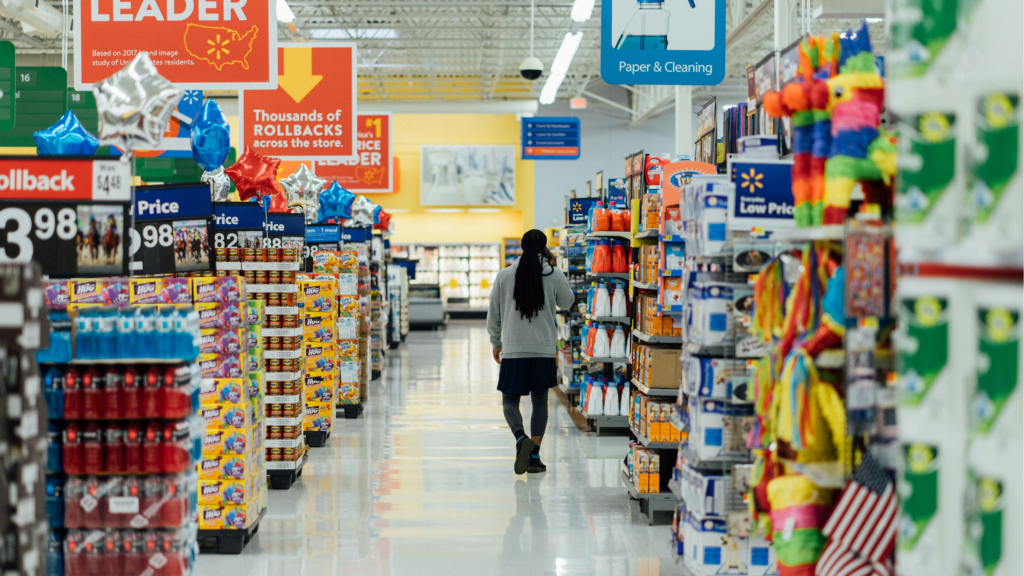
Prototyping creates physical samples for real testing. Small-scale drying reveals crunch quality and shelf life. Sensory panels rate appearance, sound, mouthfeel.
This stage exposes flaws. A great-tasting wet mix might collapse when dried. Multiple drying trials compare outcomes side-by-side.
Why Does Scale‑Up Often Trip Up Food Innovators?
Scale-up adapts lab recipes for production equipment. Pilot runs test larger batches. Processing parameters change with volume.
Drying technology matters here. Vacuum microwave maintains consistency from grams to kilograms. Freeze drying requires extensive validation.
What Launch Preparation Really Entails?
Launch pulls together packaging, regulatory approval, and supply chain. Nutrition panels finalize. Shelf-stable claims need supporting data.
Pilot production confirms quality. Marketing assets feature prototype photos. Co-packing partners gear up.
How Does Post‑Launch Monitoring Close The Loop?
Post-launch tracks sales velocity, repeat purchases, and reviews. Shelf performance reveals packaging issues. Consumer feedback highlights tweaks.
Data feeds next ideation cycle. Successful products evolve. Underperformers pivot quickly.
Where Does Drying Technology Impact Development Most?
Drying influences formulation through prototyping. Texture goals dictate method choice. Vacuum microwave enables rapid iteration.
Scale-up succeeds when lab parameters match production. Modular drying systems bridge the gap seamlessly.
How Vacuum Microwave Dehydration Accelerates Stages?
Short drying cycles mean more prototypes daily. Low temperatures preserve delicate flavors and nutrients. Results predict commercial performance.
Teams test variations quickly. Market windows shrink with fast feedback loops.
Common Challenges Across Development Stages
Ingredient sourcing delays formulation. Inconsistent prototyping wastes time. Scale-up surprises kill margins. Launch coordination overwhelms small teams.
Structured drying trials mitigate risks. Reliable partners smooth transitions.
Steps To Navigate Food Product Development Successfully
Follow this sequence for best results.
- Gather diverse ideas in ideation.
- Survey target consumers early.
- Formulate with processing in mind.
- Prototype across drying methods.
- Run pilot scale-up trials.
- Secure regulatory approvals.
- Launch with contingency plans.
- Analyze post-launch metrics.
Why Small Food Businesses Need Streamlined Development?
Limited budgets demand efficiency. Slow prototyping delays revenue. Reliable drying cuts trial costs.
Vacuum microwave fits agile operations. Fast results build confidence.
How Commercial Freeze Drying Fits Development Stages?
Freeze drying excels in prototyping delicate structures. Long cycles slow iteration. Best for premium rehydratable items.
Scale-up requires significant investment. Niche positioning justifies costs.
When To Consider Microwave Drying Equipment Early?
Texture-driven snacks benefit from vacuum microwave trials. Crunch testing happens fast. Flavor volatiles stay intact.
Product innovation accelerates. Development timelines compress.
Real Examples Of Successful Food Development
Moon Cheese used REV™ vacuum microwave through prototyping and scale. Consistent crunch from lab to retail.
Berry brands test freeze vs microwave for color retention. Data guides final choice.
Tools And Techniques For Each Stage
Ideation uses mind mapping software. Research leverages online panels. Formulation needs lab mixers. Prototyping requires drying pilots.
Scale-up demands production trials. Launch uses project software.
Regulatory Considerations Across Stages
Label claims need substantiation by prototyping. Nutrition data from scale-up. Shelf life testing spans development.
Drying methods affect stability claims. Choose wisely.
How Teams Collaborate Through Development Stages
Cross-functional groups meet weekly. R&D owns formulation. Operations plans scale-up. Marketing shapes positioning.
Drying experts join prototyping. Shared goals prevent silos.
Budgeting Realistic Costs Per Stage
Ideation stays cheap. Research costs thousands. Prototyping drying trials add up. Scale-up pilots significant.
Vacuum microwave lowers prototyping expense through speed.
Timeline Expectations For Full Development
Six months minimum for simple snacks. Twelve to eighteen months complex. Drying choice affects prototyping duration.
Fast methods compress schedules.
Measuring Development Success Beyond Launch
Hit rates improve with experience. Time to market shortens. Cost per successful product drops.
Reliable drying builds institutional knowledge.
Future Trends Shaping Product Development Stages
AI recipe generation. Automated sensory testing. Modular processing lines.
Vacuum microwave scales with flexibility.
FAQ
What are the main stages of product development?
Ideation, research, formulation, prototyping, scale-up, launch, post-launch.
How long does food product development take?
Six to eighteen months depending on complexity and drying choices.
What happens in prototyping stage?
Physical samples test processing, taste, texture via drying trials.
Why scale-up so challenging?
Lab recipes behave differently at volume. Drying parameters shift.
Role of drying in food development?
Determines texture, shelf life, iteration speed in prototyping.
Vacuum microwave vs freeze drying development?
Microwave faster prototyping. Freeze better rehydration structure.
How market research guides development?
Validates demand, reveals gaps early.
Common food development pitfalls?
Skipping prototypes, ignoring scale-up, weak post-launch tracking.
Tools for food product development?
Mind mapping, surveys, lab mixers, pilot dryers, project software.
Post-launch what to monitor?
Sales, reviews, shelf performance, repeat purchases.
Further reading
EnWave Commercial Drying Innovation
EnWave Freeze Drying Vs Microwave
EnWave Microwave Assisted Drying Benefits
EnWave Popular Food Drying Processes
Barnalab Dehydration Vs Freeze Drying
Nasan Vacuum Microwave Benefits
EnWave What REV Technology Does