

7 Signals you’ve outgrown your freeze dryer
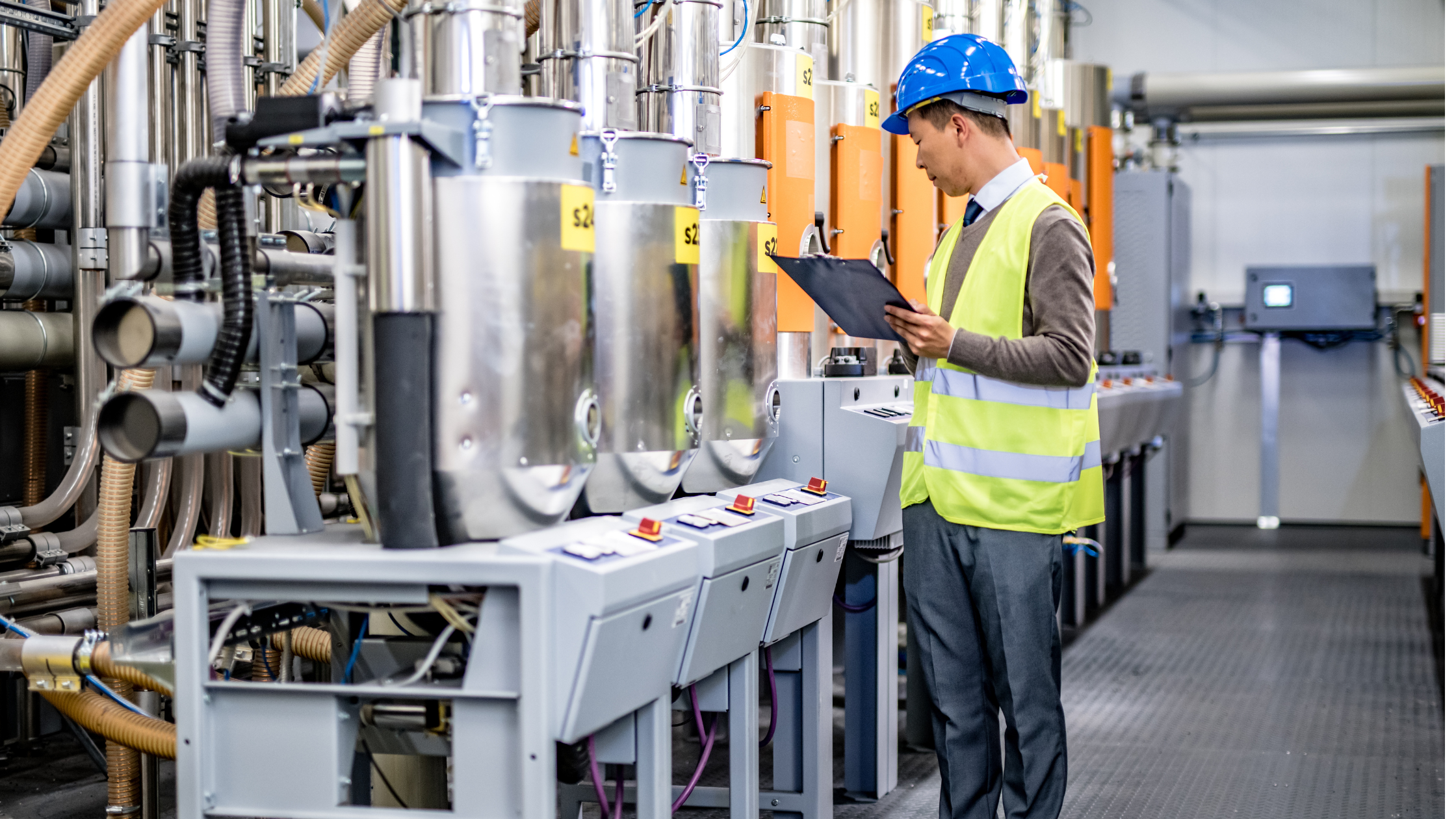
Freeze dryer limitations show up first through longer lead times and missed sales. Ops teams notice batch delays, energy bills climbing, and quality drifting when equipment can’t keep pace. This checklist spots when commercial freeze drying holds back growth.
Quick Overview
Seven clear signals reveal when processors outgrow freeze dryers. Cycle times stretch past 48 hours, energy costs double, and new products stall. Microwave drying equipment like REV™ handles volume and variety without these bottlenecks.
What Does It Mean When Freeze Dryer Cycles Exceed 48 Hours?
Cycles over 48 hours signal overload or process limits. Thick loads or high-moisture foods like fruits slow sublimation to a crawl. Production schedules slip as machines tie up capital.
Operators chase vacuum leaks or shelf temps in vain. Real issue lies in fundamental slowness of surface-driven drying. Throughput drops below 10kg per day on mid-size units.
Teams feel crunch during peak seasons. Missed orders erode customer trust.
Why Are Rising Energy Bills a Freeze Dryer Red Flag?
Energy use climbs when condensers ice heavily or vacuum pumps strain. Bills hit 5-10 kWh per kg water removed versus under 2 kWh for alternatives. Costs compound with every long run.
Freezing, vacuum, and heat chase each other in circles. No efficiency gains over years of use. Profit margins shrink quietly.
Ops managers track kWh obsessively. Sudden jumps signal deeper capacity issues.
How Do Quality Inconsistencies Signal Equipment Limits?
Batch-to-batch color fades or texture softens when loads push dryer boundaries. Edge pieces over-dry while centers stay moist. Customers notice melt-back in premium snacks.
Shelf spacing or door seals wear create hot spots. Process tweaks can’t fully compensate. Returns tick up steadily.
QC logs show widening variation. Statistical control charts fail.
What Happens When You Can’t Test New Product Ideas Fast?
Product development stalls at weeks per trial versus hours. R&D queues behind production runs. Innovation pipelines clog with half-tested concepts.
Freeze drying ties up machines for days per prototype. Teams settle for safe repeats over bold launches. Competitors gain first-mover edges.
Marketing begs for samples. Ops says wait.
Why Do Maintenance Downtime Increases Point to Upgrade Time?
Condenser defrosts stretch from hours to full days. Vacuum pump rebuilds hit quarterly. Total downtime exceeds 20% of available hours.
Ice buildup worsens with heavier loads. Seals fail under constant cycling. Parts shortages delay fixes.
Production planners juggle around breakdowns. Reliability erodes.
How Does Limited Throughput Block Business Growth?
Throughput caps at 50-200kg per week on commercial units. New retail deals or exports exceed capacity overnight. Backorders frustrate customers.
Peak seasons overwhelm completely. Staffing costs spike for manual workarounds. Growth stalls at equipment ceiling.
Sales teams promise what ops can’t deliver.
What Makes Floor Space Constraints a Growth Blocker?
Freeze dryers consume 3-5x space of alternatives for same output. Stacked chambers, chillers, and vacuum systems sprawl across plants. Expansion hits physical walls.
Utilities strain too. Cooling water and power panels max out. Relocation costs loom large.
Facility managers reject new lines. Ops dreams stay shelved.
Why Do Skilled Operator Dependencies Signal Trouble?
Freeze drying demands constant monitoring. Shelf ramps, vacuum pulls, and defrost timing need experienced eyes. Training takes months per person.
Turnover hits hard. New hires crash batches learning curves. Labor costs double for 24/7 coverage.
Automation gaps frustrate. One sick operator halts lines.
Here’s Your Complete Freeze Dryer Outgrown Checklist
Run this audit quarterly. Five yes answers mean serious upgrade talks start now.
- Cycles exceed 36 hours regularly – Check last 30 runs average.
- Energy exceeds 4 kWh/kg water – Meter readings month-over-month.
- Batch rejection rate above 5% – QC logs year-to-date.
- R&D waits over 7 days per trial – Project tracker data.
- Planned downtime tops 15% capacity – Maintenance records.
- Peak demand exceeds 80% utilization – Production scheduling.
- Space blocks new lines – Facility expansion review.
Score honestly. Growth demands matching equipment.
How Does Microwave Drying Solve These Freeze Dryer Pain Points?
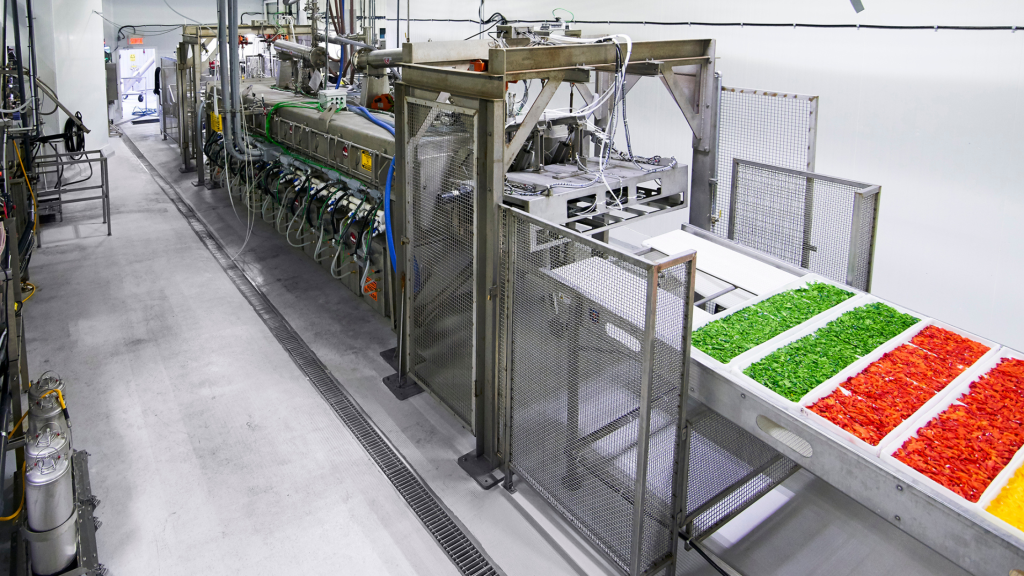
Microwave drying equipment finishes batches in 30-60 minutes flat. Volumetric heating eliminates wet cores and edge burns. Single-operator runs cut labor needs.
Energy drops to 1-1.5 kWh per kg. Continuous flow handles peaks smoothly. R&D tests run parallel to production.
Space shrinks dramatically. One REV™ unit matches three freeze dryers output-wise.
| Pain Point | Freeze Dryer Issue | Microwave Drying Fix |
|---|---|---|
| Cycle Time | 24-72 hours | 30-60 minutes |
| Energy per kg | 5-10 kWh | 1-1.5 kWh |
| Floor Space | 100+ sq ft | 30-40 sq ft |
| Batch Consistency | Variable | Uniform |
| Scale Flexibility | Fixed batches | Continuous option |
What Real Costs Hide Behind “It Still Works”?
Hidden costs compound yearly. Labor for babysitting doubles. Energy eats 30% of drying budget. Lost sales from delays compound worst.
Opportunity cost hits hardest. Stalled innovation cedes market share. Competitors launch while you troubleshoot.
Calculate true per-kg costs. Numbers shock most teams.
How Do You Calculate Your True Freeze Drying Costs?
Total up these monthly figures. Divide by output for per-kg reality.
- Electricity and cooling water bills
- Maintenance parts and service calls
- Operator wages including overtime
- Building depreciation per sq ft
- Quality rejects and rework labor
- Missed sales opportunity costs
Most discover 2-3x higher than expected.
Why Does Peak Season Performance Reveal True Limits?
Annual peaks expose every weakness. 150% demand triggers cascade failures. Cycles balloon, rejects spike, breakdowns multiply.
Consistent tech handles surges gracefully. Freeze dryers buckle under volume.
Plan capacity for double normal. Anything less risks reputation.
What Role Does Product Variety Play in Equipment Choice?
Widening SKU count stresses freeze dryers most. Delicate herbs need different ramps than dense meats. Recipe switches eat hours recalibrating.
Microwave drying adapts instantly. Parameter shifts take seconds. Variety expands without pain.
Innovation thrives on flexibility.
How Does Labor Availability Affect Drying Decisions?
Skilled freeze dryer techs grow scarce. New hires need 6-12 months ramp-up. Wage pressure mounts for reliability.
Modern drying needs basic operators. Cross-training covers vacations easy. Labor pools expand.
Retention improves dramatically.
How to Transition from Freeze Drying Without Risk?
Phase approach minimizes disruption. Pilot new tech parallel first. Match output before cutting old lines.
Train crews on both systems. Run head-to-head trials for confidence. Gradual SKU migration follows.
Partners offer tolling bridges. No cash outlay tests viability.
What Metrics Track Drying Equipment ROI?
Watch these post-upgrade for success proof.
- Total kWh per ton output
- Direct labor hours per shift
- Downtime percentage monthly
- Yield before rework
- Cycle time averages
- Energy cost per kg
Future Trends Pressuring Drying Equipment Choices
Clean label demands faster prototyping. Sustainability scores energy efficiency. E-commerce needs volume flexibility.
Next-gen drying leads all fronts. Legacy equipment lags every metric.
FAQ
What energy use flags freeze dryer trouble?
Above 4 kWh per kg water removed needs review.
Why do freeze dryer batches vary in quality?
Load inconsistencies and worn components create uneven drying.
Can you expand freeze dryer capacity easily?
Limited by space, power, and cooling infrastructure.
How fast do microwave dryers finish batches?
30-60 minutes typical versus days in freeze drying.
What labor savings come from modern drying?
Basic operators replace skilled technicians. Training drops to days.
Does switching drying tech disrupt production?
Parallel pilots run zero risk during transition.
How much space do freeze dryers really need?
100-200 sq ft plus chillers versus 40 sq ft modern alternatives.
Why track peak season drying performance?
Reveals true capacity limits under real demand.
What ROI timeline exists for drying upgrades?
12-24 months typical with 40-70% operating gains.
Wrapping Up
These seven signals show when freeze dryers limit growth. Ops checklists reveal hidden costs eating margins. Modern microwave drying equipment scales production, cuts costs, and accelerates innovation without the headaches.
Further Reading
Food Engineering: Drying Technology ROI Analysis https://www.foodengineeringmag.com/2025/drying-equipment-economics
Snack Food Magazine: Freeze Dryer Limitations https://www.snackfood.com/articles/freeze-dry-capacity-constraints
Processing Magazine: Energy Benchmarks Drying https://www.processingmagazine.com/drying-energy-costs-2026
IFT Journal: Microwave Drying Scale-Up https://ift.onlinelibrary.wiley.com/microwave-drying-commercial
Food Dive: Ops Bottlenecks Survey https://www.fooddive.com/food-processing-capacity-2026
Packaging Digest: Space Optimization Drying https://www.packagingdigest.com/drying-footprint-reduction