

What Is Freeze‑Dried Food? Lyophilization 101
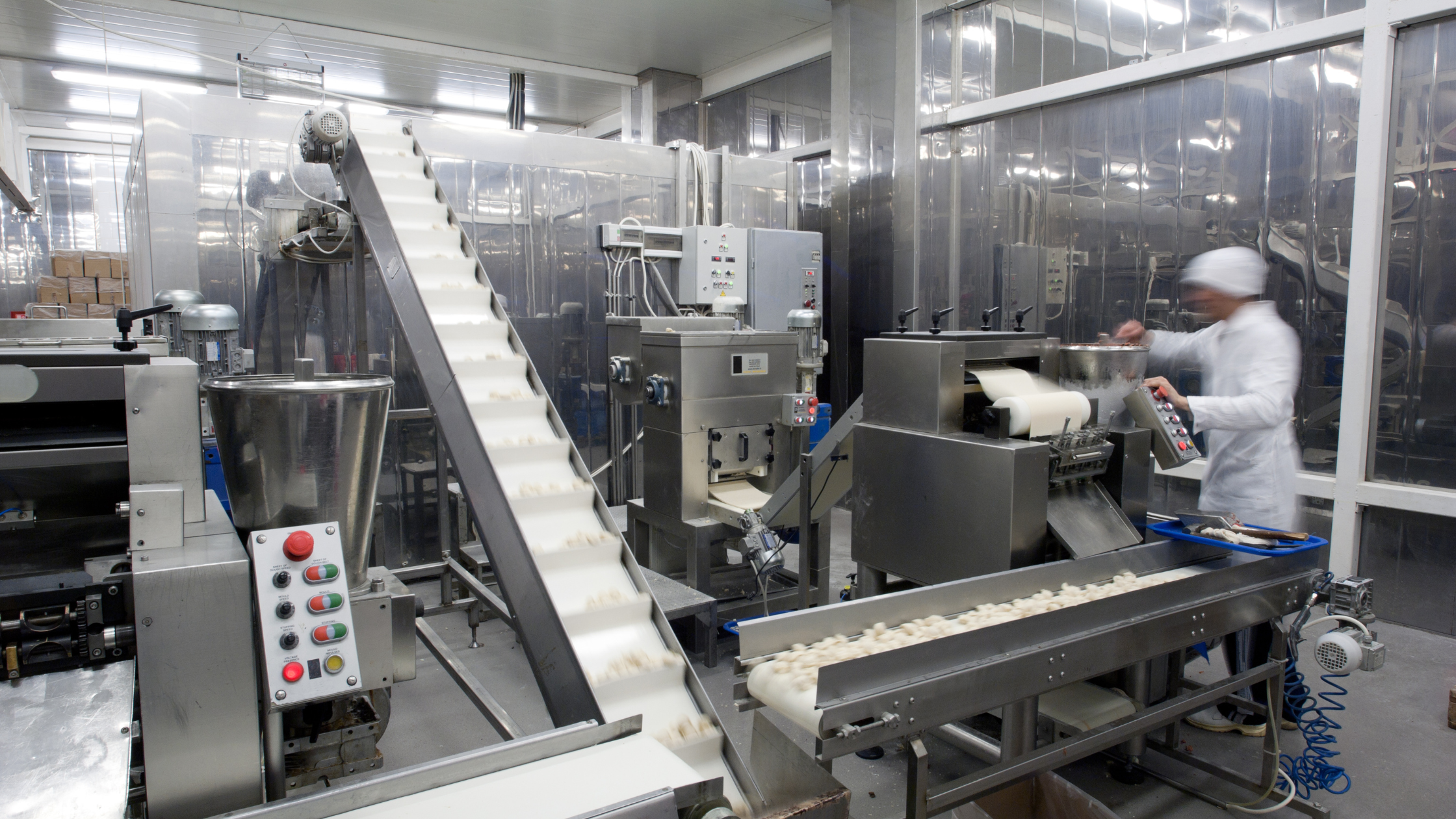
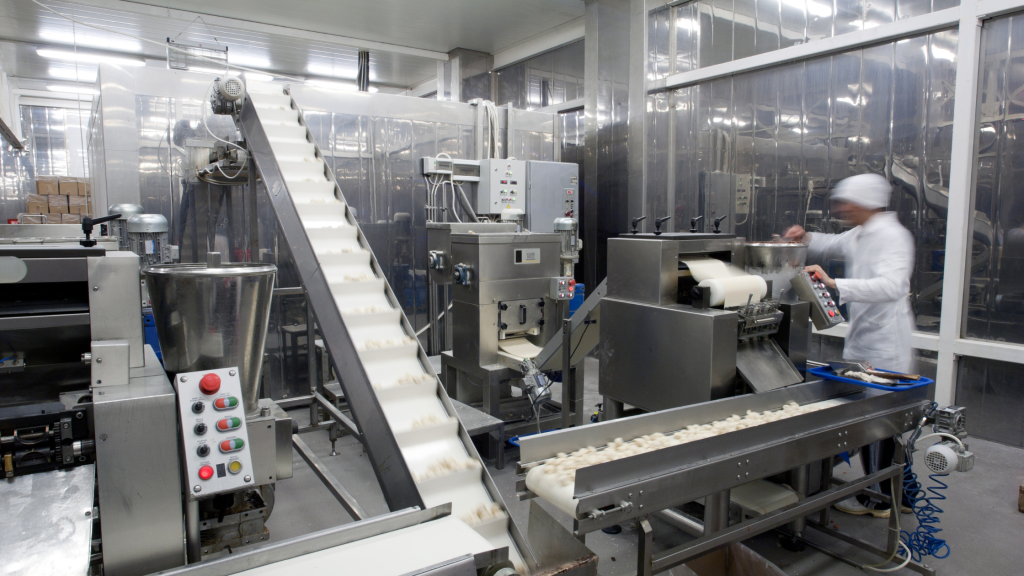
Freeze‑dried foods show up everywhere from hiking packs to specialty snacks and ingredients. Many teams in food processing and product development know lyophilization is “high quality,” but not always what actually happens inside the chamber or why it feels slow and expensive. This guide explains freeze drying in simple terms and then shows how vacuum microwave dehydration offers a faster, more energy‑efficient option for many commercial food drying applications.
Quick Overview
Freeze drying, or lyophilization, is a dehydration method that freezes food and then removes ice directly as vapor under vacuum. That sublimation step keeps structure and nutrients but requires long cycles and high energy use for commercial freeze drying. Vacuum microwave dehydration, like EnWave’s REV™ technology, also uses vacuum but adds microwave energy as a radiant heat source, cutting drying times from days to minutes while keeping low temperatures, product quality, and flexibility for food innovation.
What Exactly Is Freeze‑Dried Food?
Freeze‑dried food is food that has had almost all its water removed by first freezing it and then drying it under vacuum, so the ice turns straight into vapor. In scientific terms, lyophilization relies on sublimation, where water transitions from solid to gas without passing through the liquid phase. For food processors, the key outcomes are very low final moisture, a light structure that rehydrates quickly, and long shelf life at ambient conditions thanks to low water activity.
How Does Lyophilization Work Step‑By‑Step?
Most commercial freeze drying lines follow three stages.
- Freezing The product is frozen, usually rapidly, so water turns into ice within the food. Smaller ice crystals help maintain structure and reduce mechanical damage.
- Primary drying (sublimation) Under vacuum, the pressure and temperature are controlled so that ice sublimates. Heat is carefully added, often through heated shelves, to provide the energy for sublimation without melting the product.
- Secondary drying (desorption) Once visible ice is gone, a secondary phase removes bound water molecules at slightly higher temperatures to reach very low residual moisture. From a food processing perspective, the longest part is primary drying. On a commercial freeze dryer, that stage alone can take 20–40 hours, and total cycles commonly run 24–48 hours or longer for high‑moisture foods.
Why Is Freeze Drying Considered High‑Quality Food Dehydration?
Despite long cycles, lyophilization gained a strong reputation because it protects many quality attributes. Key advantages include high nutrient retention, since temperatures stay relatively low and there is little liquid water present, good flavor and color versus high‑temperature air drying, strong structure preservation that enables rapid rehydration, and very low water activity that limits microbial growth for long shelf life. For many years, if a team wanted premium dried ingredients or snacks, commercial freeze drying was the obvious choice in food tech and product innovation.
What Are the Main Pain Points of Commercial Freeze Drying?
When you move from lab to commercial food drying, the strengths of lyophilization come with some tough trade‑offs.
Why Is Freeze Drying So Slow?
Because ice must sublimate gently, you cannot simply increase heat or pressure without risking melt‑back or collapse. This means long primary drying stages, often 20–40 hours, and total cycle times that easily reach 24–48 hours or more per batch. For product development, that slows iteration. For full‑scale food processing, it caps throughput and makes it hard to respond quickly to demand spikes.
Why Is Freeze Drying Energy‑Intensive?
Freeze drying uses energy in several ways: freezing the product, maintaining deep vacuum, carefully heating shelves for many hours, and condensing water vapor as ice on cold surfaces. Studies comparing drying technologies report that freeze drying can consume more than 15 kWh per kilogram of water removed, whereas microwave vacuum drying can use around 1.3 kWh. This energy load drives operating costs and sustainability concerns in commercial food drying and food dehydration projects.
What About Equipment Cost And Footprint?
Commercial freeze dryers require robust vacuum systems and condensers, often have large footprints to handle meaningful volumes, and usually operate in batch mode, limiting continuous flow options. That combination creates a high capital barrier for companies exploring product innovation with freeze‑dried snacks and ingredients.
Where Does Freeze Drying Fit Best In Food Processing?
Freeze drying still has clear roles in food processing and product development. It is particularly well suited when structure must be preserved very precisely for delicate fruits or specialty inclusions, extremely low moisture and long shelf life are non‑negotiable, and throughput and energy are less constrained for high‑value, small‑volume products. Many brands build successful lines around commercial freeze drying but accept that it is not always the fastest or most energy‑efficient drying technology.
What Is Vacuum Microwave Dehydration In Simple Terms?
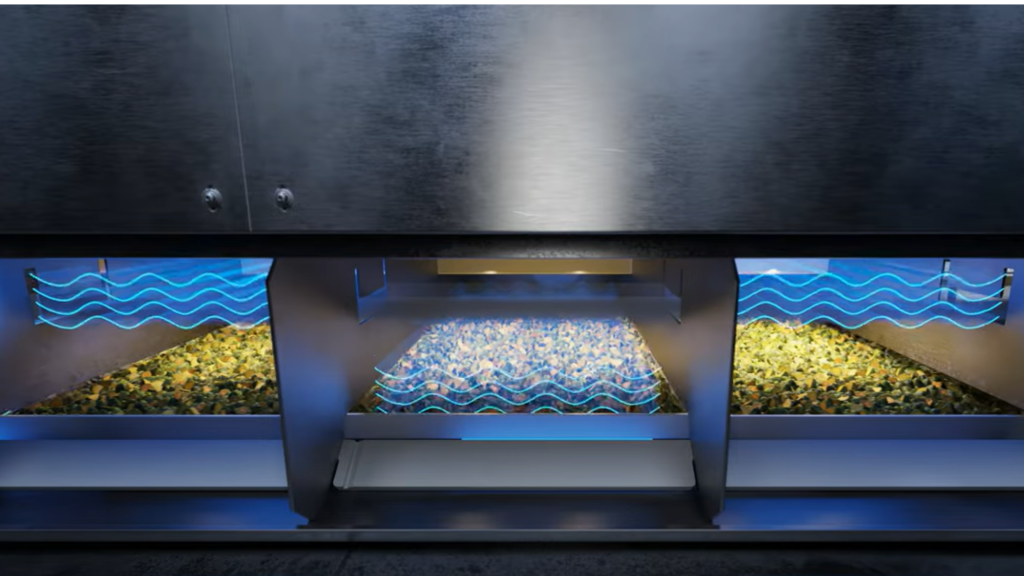
Vacuum microwave drying combines a vacuum environment with microwave energy to remove water much faster while still using relatively low product temperatures. Under vacuum, water boils at lower temperatures, and microwaves heat the water molecules directly and volumetrically across the product. In practice, a typical vacuum microwave process pulls a vacuum to lower boiling point and reduce oxygen, applies microwave energy that penetrates into the product mass, and allows water to vaporize quickly and exit while product temperature stays controlled. EnWave’s Radiant Energy Vacuum, or REV™, is one commercial implementation designed specifically for food processing and commercial food drying.
How Does Vacuum Microwave Drying Compare To Freeze Drying On Time And Energy?
Time and energy are where the contrast is sharpest.
How Much Faster Is Vacuum Microwave Drying?
Traditional freeze drying can take days. By comparison, vacuum microwave drying can complete cycles in about 30–120 minutes for many foods. EnWave reports that REV™ systems routinely dry products in under an hour in real food processing settings, which changes the economics of product development and production planning.
How Big Is The Energy Difference?
When microwave vacuum drying is compared with freeze drying, one study reported freeze drying using about 15.09 kWh, while microwave vacuum drying used about 1.27 kWh for comparable dehydration. EnWave and other developers highlight that this reduction comes from heating water directly and not needing to maintain deep vacuum and frozen condensers for extended periods. For food processors watching energy costs and emissions, that difference is significant.
How Does Vacuum Microwave Drying Affect Product Quality?
A common question in product development is whether faster drying compromises quality. Research and commercial experience indicate vacuum microwave drying can match or improve many aspects of quality compared with lyophilization, especially for certain formats.
What Happens To Texture?
Freeze‑dried products can sometimes feel spongy or overly fragile. Vacuum microwave drying tends to create crunchy or chewy textures that are appreciated in snack applications and can reduce case hardening and rubbery centers because heating is volumetric rather than purely surface‑driven. For categories like fruit and vegetable snacks, cheese bites, and niche proteins, this texture profile is often more desirable.
How About Color And Appearance?
Microwave vacuum drying under controlled temperatures helps preserve natural colors effectively and avoids the browning associated with high‑temperature air drying. Developers working with herbs, fruits, and vegetables report that microwave vacuum drying can retain vivid color and more “fresh‑like” appearance compared with conventional hot air and in some cases even freeze drying for specific products.
What About Nutrients And Sensitive Compounds?
Both freeze drying and vacuum microwave drying operate at relatively low temperatures, which supports good retention of nutrients and bioactive compounds. Because microwave vacuum drying cycles are much shorter and oxygen exposure is reduced, degradation of heat‑sensitive nutrients and flavors can be minimized, and scientific work on proteins and bioactives suggests functionality can be maintained with much less time and energy than freeze drying.
Where Does Vacuum Microwave Dehydration Fit In Food Innovation?
For product innovation teams, vacuum microwave dehydration opens design space beyond what lyophilization alone offers.
How Does It Help Product Development And Scale‑Up?
Because cycles are short and parameters can be tuned through power level, vacuum, and time, developers can screen multiple formulations and drying profiles in a single day and tune textures from light and crispy to more chewy or airy. Successful pilot runs can then be scaled to commercial microwave drying equipment by matching power density, which helps keep product characteristics consistent across scales.
This is particularly important when working on upcycled ingredients that need gentle yet efficient drying, high‑value snacks where texture and color drive repeat purchase, or functional ingredients where bioactive retention matters and long cycle times are a liability.
How Does It Support Commercial Food Drying Operations?
In operations, vacuum microwave drying provides higher throughput per square foot thanks to fast cycles, reduces energy use per kilogram of water removed, and enables more flexible scheduling with multiple daily batches. EnWave’s REV™ systems are designed around these needs, with modular units that can be configured for continuous or batch processing across snacks, ingredients, and niche proteins.
Should You Switch Completely Or Use A Hybrid Drying Strategy?
For many processors, the question is not “freeze drying or vacuum microwave drying,” but “where does each fit best in our portfolio.” Freeze drying remains valuable when ultra‑low moisture and extremely delicate structure are required, volumes are modest, and price points can absorb higher energy and cycle times. Vacuum microwave dehydration is compelling when speed, energy efficiency, and throughput are critical, texture and color drive consumer appeal, and product innovation requires fast iteration and flexible moisture targets. Hybrid strategies can use freeze drying for specialized SKUs and vacuum microwave systems for mainstream snacks, ingredients, or high‑volume lines, giving food processing teams more tools to match each product’s needs.
FAQ
What is freeze‑dried food in simple terms?
Freeze‑dried food is food that has been frozen and then dried under vacuum so that ice turns directly into vapor, removing water gently and leaving a light, porous product that rehydrates quickly and stores well.
How long does commercial freeze drying take?
Commercial freeze drying often takes 24–48 hours or more per batch, especially for high‑moisture foods, because ice must sublimate slowly to avoid melting and structural damage.
Why is freeze drying considered high quality?
Freeze drying is considered high quality because it preserves flavor, color, and a high proportion of nutrients while producing very low moisture, shelf‑stable foods with excellent rehydration performance.
What is vacuum microwave drying?
Vacuum microwave drying uses a vacuum to lower the boiling point of water and microwaves to heat water molecules directly throughout the product, removing moisture quickly at controlled temperatures.
How does vacuum microwave drying compare to freeze drying on energy use?
Freeze drying can use around 15 kWh for the same dehydration task where microwave vacuum drying uses about 1.3 kWh, making vacuum microwave dehydration roughly an order of magnitude more energy‑efficient in some studies.
Does vacuum microwave drying damage nutrients?
Both freeze drying and vacuum microwave drying run at relatively low temperatures, and because vacuum microwave cycles are shorter and oxygen exposure is reduced, nutrient and bioactive retention can be very good and in many cases comparable or better for specific products.
What kind of textures can vacuum microwave drying create?
Vacuum microwave drying can create crunchy, crispy, or chewy textures by adjusting power, time, and vacuum, often producing more appealing snack textures than the spongy or fragile structures seen in some freeze‑dried products.
Is vacuum microwave dehydration suitable for commercial food drying?
Yes, commercial vacuum microwave systems such as EnWave’s REV™ are built for industrial food processing, offering modular capacities, short cycles, energy savings, and consistent product quality across snacks, ingredients, and niche proteins.
When should a processor consider vacuum microwave instead of adding more freeze dryers?
Processors should consider vacuum microwave when freeze drying cycle times, energy costs, or throughput limits are constraining growth, or when they need more flexible textures and faster product development for new SKUs in food innovation and commercial food drying.
Can both freeze drying and vacuum microwave drying coexist in one facility?
Yes, many operations can benefit from a hybrid approach, using freeze dryers for certain high‑value or delicate SKUs and vacuum microwave dryers for high‑volume snacks, ingredients, or products where speed and energy efficiency are critical to the business case.
Further Reading
Healthline – Freeze Drying: How It Works, Benefits, and How‑to
https://www.healthline.com/nutrition/freeze-drying
VFD Food – What Is Lyophilization (Freeze‑Drying) and How It Drives Food Innovation
TouFood – Freeze‑Drying of Food: Definition, Process and Advantages
Barnalab – Freeze‑Drying: What Is It and What Processes Are Involved?
EnWave – Freeze Drying vs Microwave Drying
EnWave – Exploring Efficient Alternatives to Freeze Drying
Food Processing Australia – Drying Without the Freeze
https://www.foodprocessing.com.au/content/processing/article/drying-without-the-freeze-57557309